Amazon is warning customers that a proposed New York City delivery law could raise costs by as much as $5 per order, turning a local labor and regulatory fight into a direct consumer-price issue for one of its most important U.S. markets.
Amazon New York delivery law could raise costs

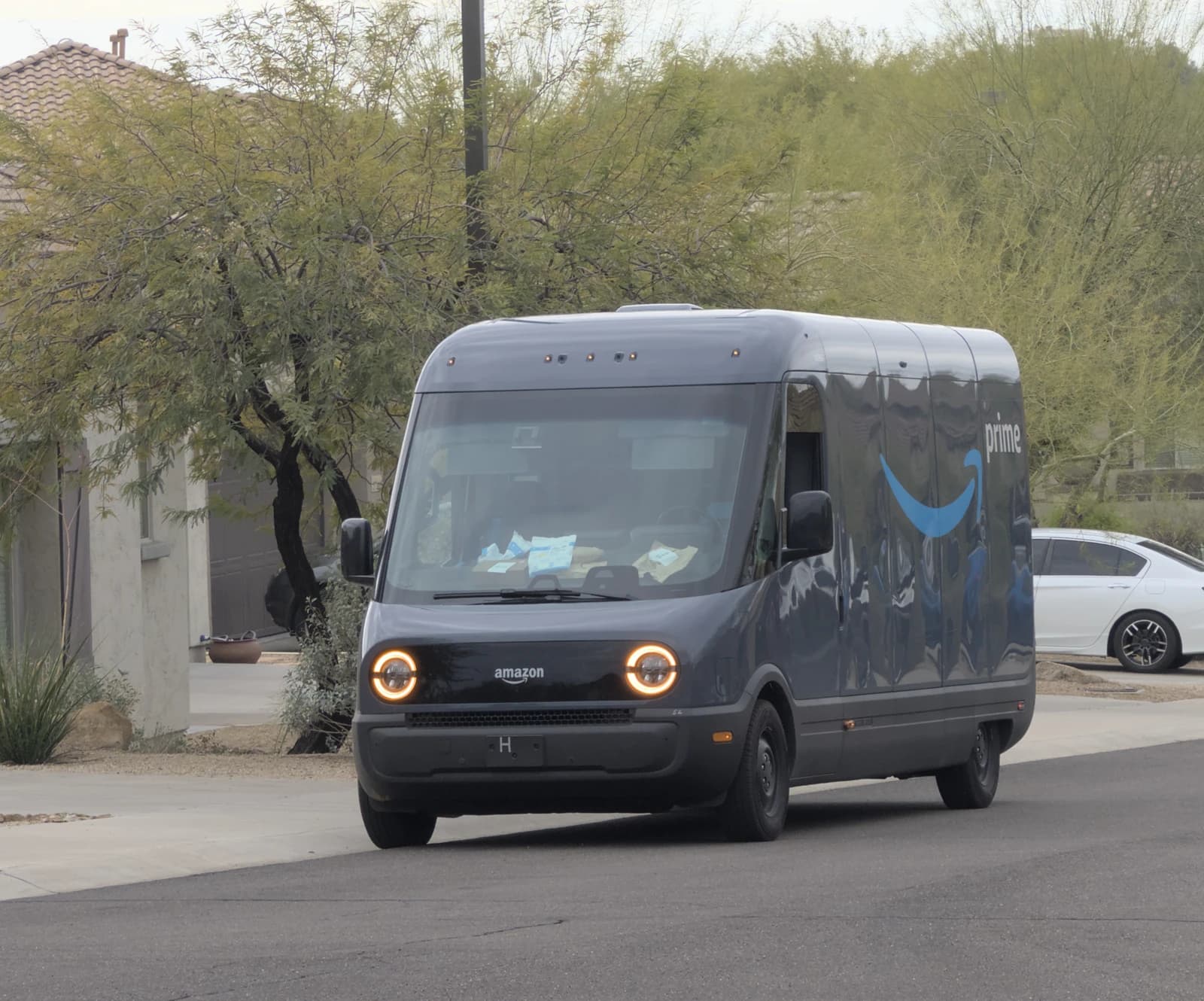
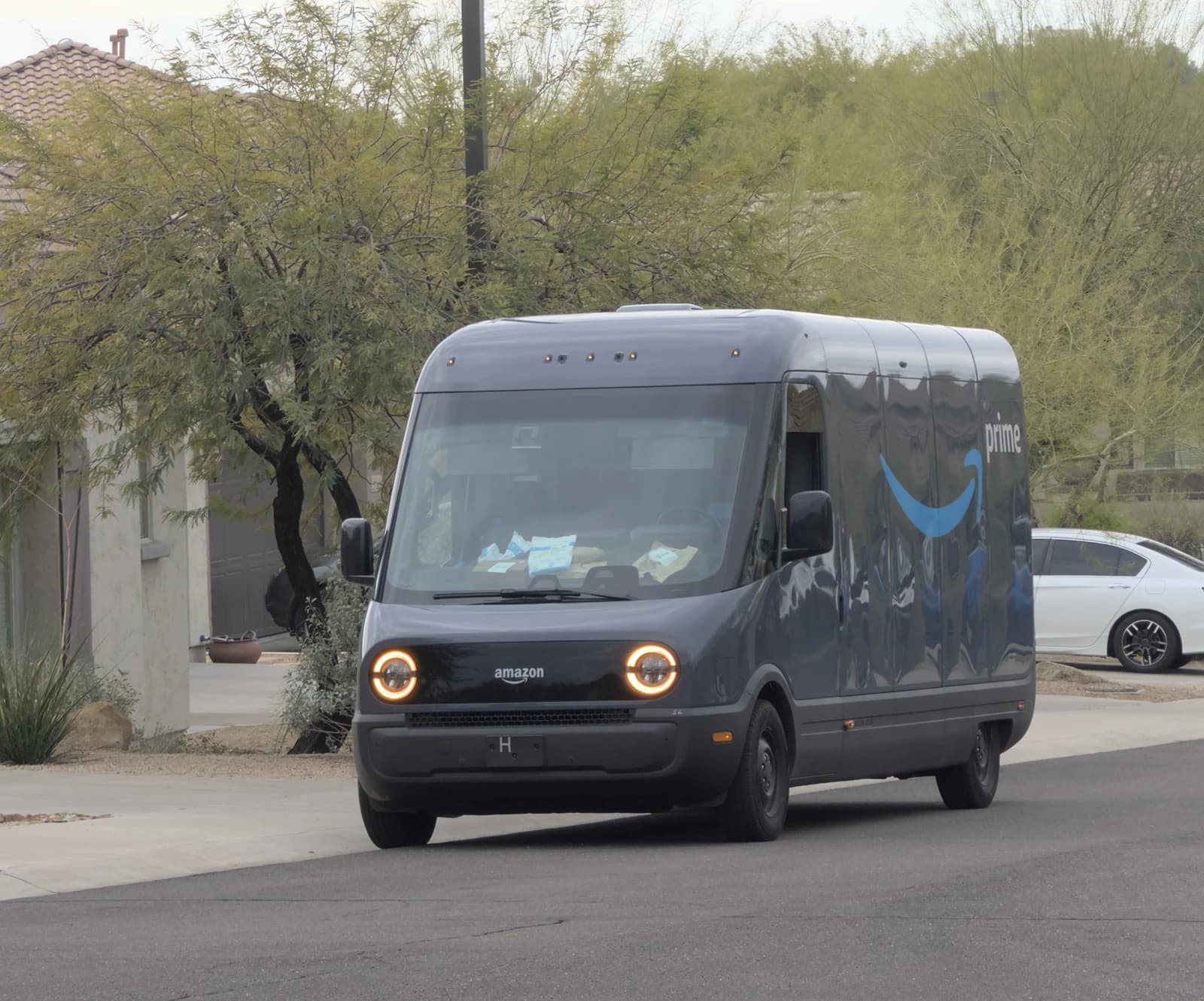
The company’s pop-up messages on its website and app argue that the Delivery Protection Act would force it to rework its contractor-heavy delivery network by requiring direct employment of workers now handled through third-party delivery firms. Amazon says that could push it to scale back city operations, leading to slower and more expensive deliveries for millions of New York customers and increased pressure on small businesses that rely on its platform.
Sentiment Indicators
Consumer Spending
The dispute matters economically because it goes to the core of Amazon’s logistics model. The company has spent years using third-party delivery service providers to keep last-mile shipping flexible and costs low. If New York forces a shift toward direct employment, Amazon would face higher labor, benefits and compliance expenses in a city where density should, in theory, make deliveries efficient. Instead, the bill could narrow Amazon’s margin advantage in one of its largest urban markets and set a precedent for other cities weighing similar rules.
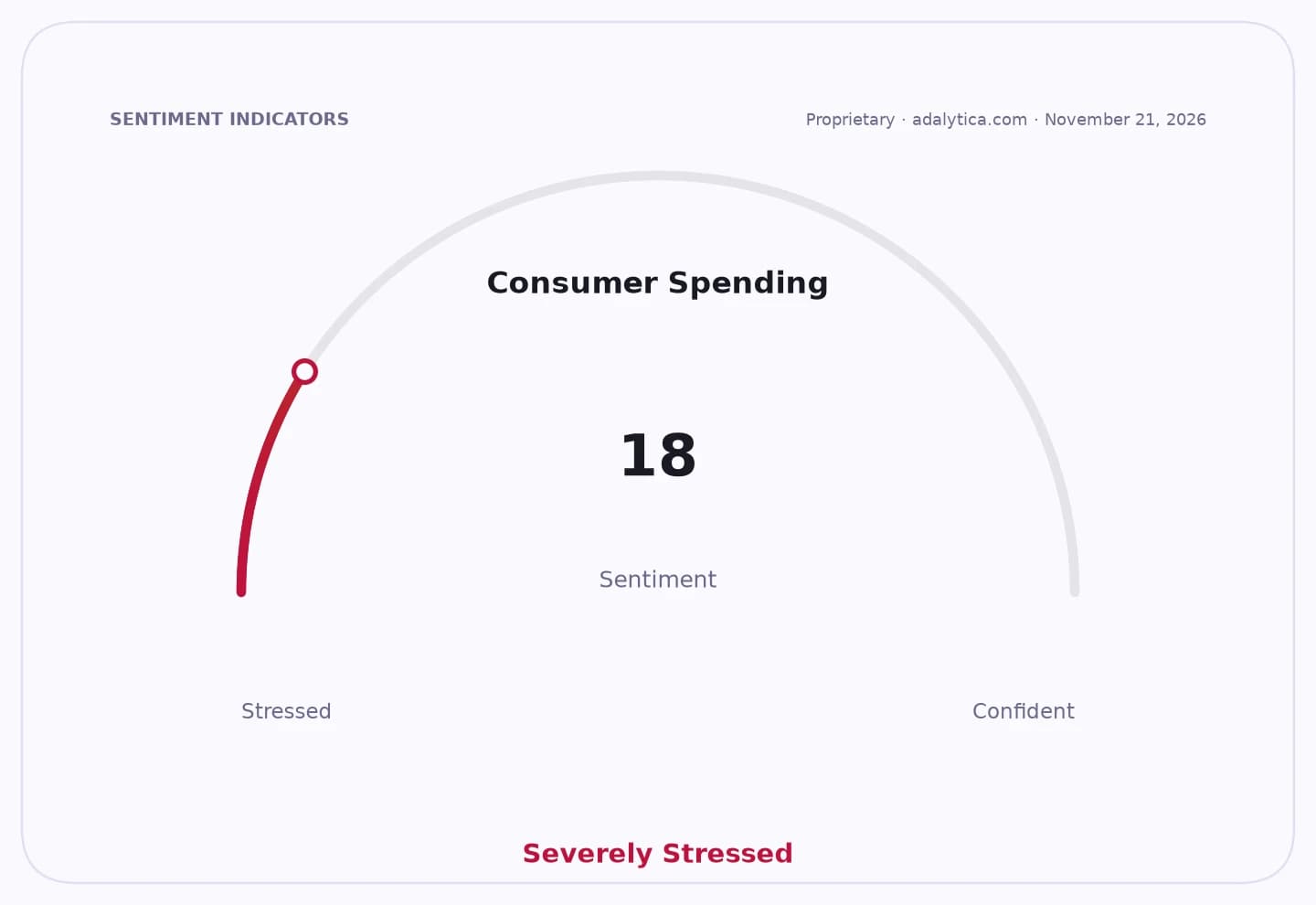
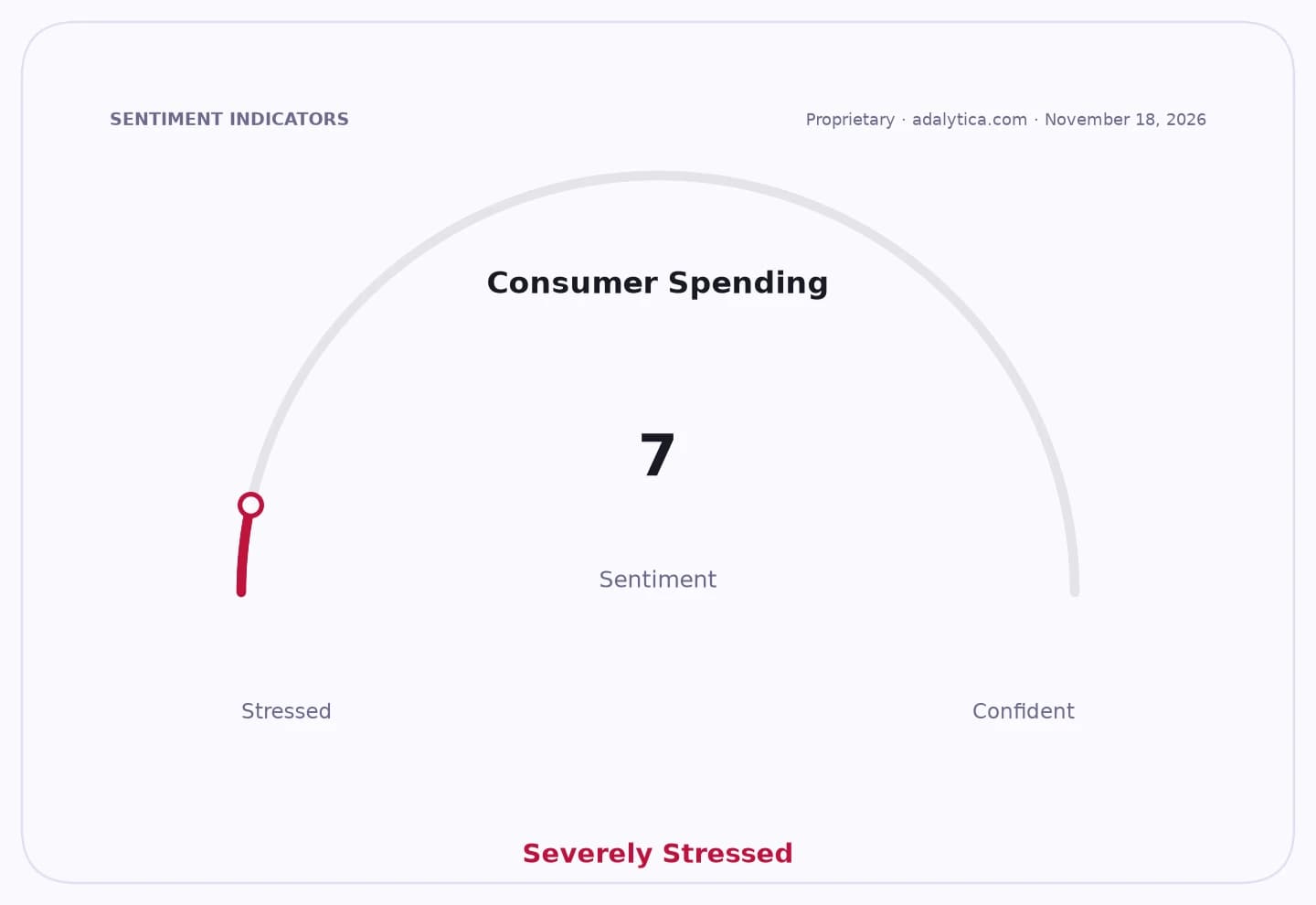
Amazon’s warning also lands at a sensitive moment for investors focused on profitability and regulation. The stock has already been volatile, and the company’s shares were trading around $259. Though the stock remains above its 50-day moving average and 200-day moving average, the recent swings reflect how sensitive investors are to anything that could pressure fulfillment costs or delivery economics. The broader market backdrop is also cautious, with Adalytica’s S&P 500 Trade Signals showing fear readings and consumer-spending sentiment still in extreme fear territory.
Supporters of the bill say the measure would improve worker protections and address the use of subcontracted labor. Labor groups including the Teamsters back it, while Mayor Zohran Mamdani has endorsed the proposal. City Council Speaker Julie Menin has raised concerns about Amazon’s messaging, accusing the company of misleading consumers with claims that every order would face a $5 fee. Menin has signaled she may be open to revising the legislation, including dropping the ban on third-party delivery companies and instead licensing and regulating warehouse operations.
The fight also has second-order implications for Amazon’s network of small delivery partners. Amazon says more than 40 local delivery businesses and roughly 5,000 New Yorkers employed by them could be affected. That gives the company an argument that the bill could hit not just Amazon, but a wider local logistics ecosystem. Opponents of the proposal, including some civil rights groups, say many of those businesses are Black-owned, adding a political dimension that could complicate the final shape of the law.
For investors, the key question is less whether Amazon can absorb higher costs in New York than whether this becomes a template for tougher local regulation in other major cities. If lawmakers force a more expensive delivery model, Amazon may have to choose between protecting margins and preserving service levels. The outcome will help determine how much pricing power Amazon can retain with consumers and how far local governments can push back on the economics of e-commerce logistics.
| Entity | Gains | Losses |
|---|---|---|
| Amazon | ▲Preserves current model | ▼Higher labor and compliance costs |
| New York workers/labor groups | ▲Stronger protections | ▼Slower policy rollout |
| Small delivery contractors | ▲Business continuity if bill is softened | ▼Risk of displacement |
| Consumers in NYC | ▲Potential worker safeguards | ▼Higher delivery fees / slower service |