Amazon is pushing deeper into grocery with its own line of prepared meals that can be ordered for same-day delivery, a move that broadens its private-label food strategy and raises the competitive stakes for meal kits, delivery platforms and grocery chains.
Amazon launches prepared meals for same-day delivery
Consumer Spending
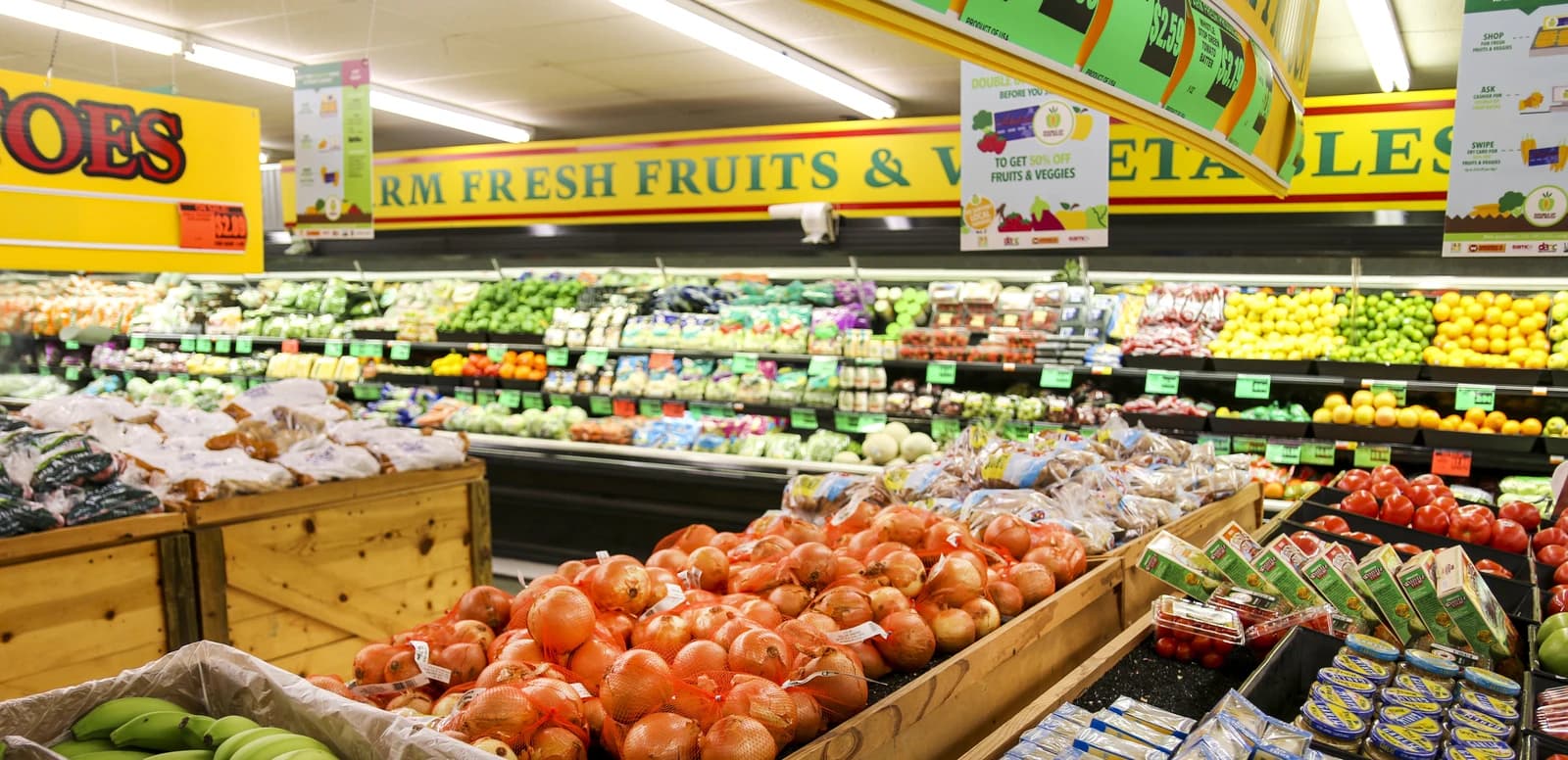
The launch matters because prepared meals are one of the few high-frequency grocery categories where convenience can outweigh price, and Amazon now has a tighter path from shopper to basket to doorstep. By adding branded ready-to-eat meals to same-day delivery, Amazon can capture more margin inside its own ecosystem while reducing reliance on third-party suppliers and marketplaces.
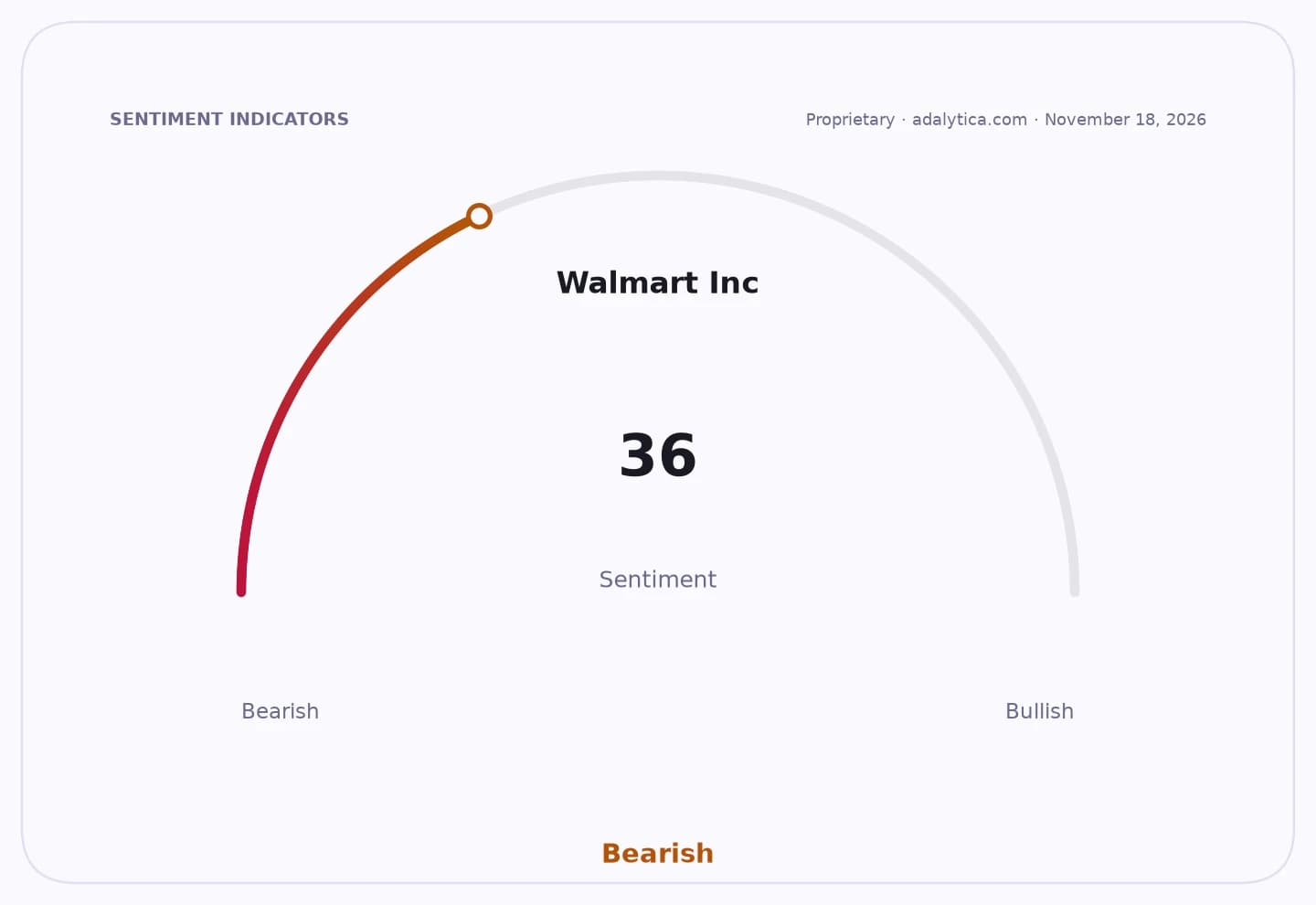
Sentiment Indicators
For investors, the development is another sign that Amazon is using grocery to increase customer stickiness and order frequency, even as the business absorbs heavy fulfillment and logistics costs. The company has said in filings that fulfillment expenses can rise with shipping and transaction costs, and the latest move suggests it is still willing to spend on convenience-led categories that can deepen Prime engagement.
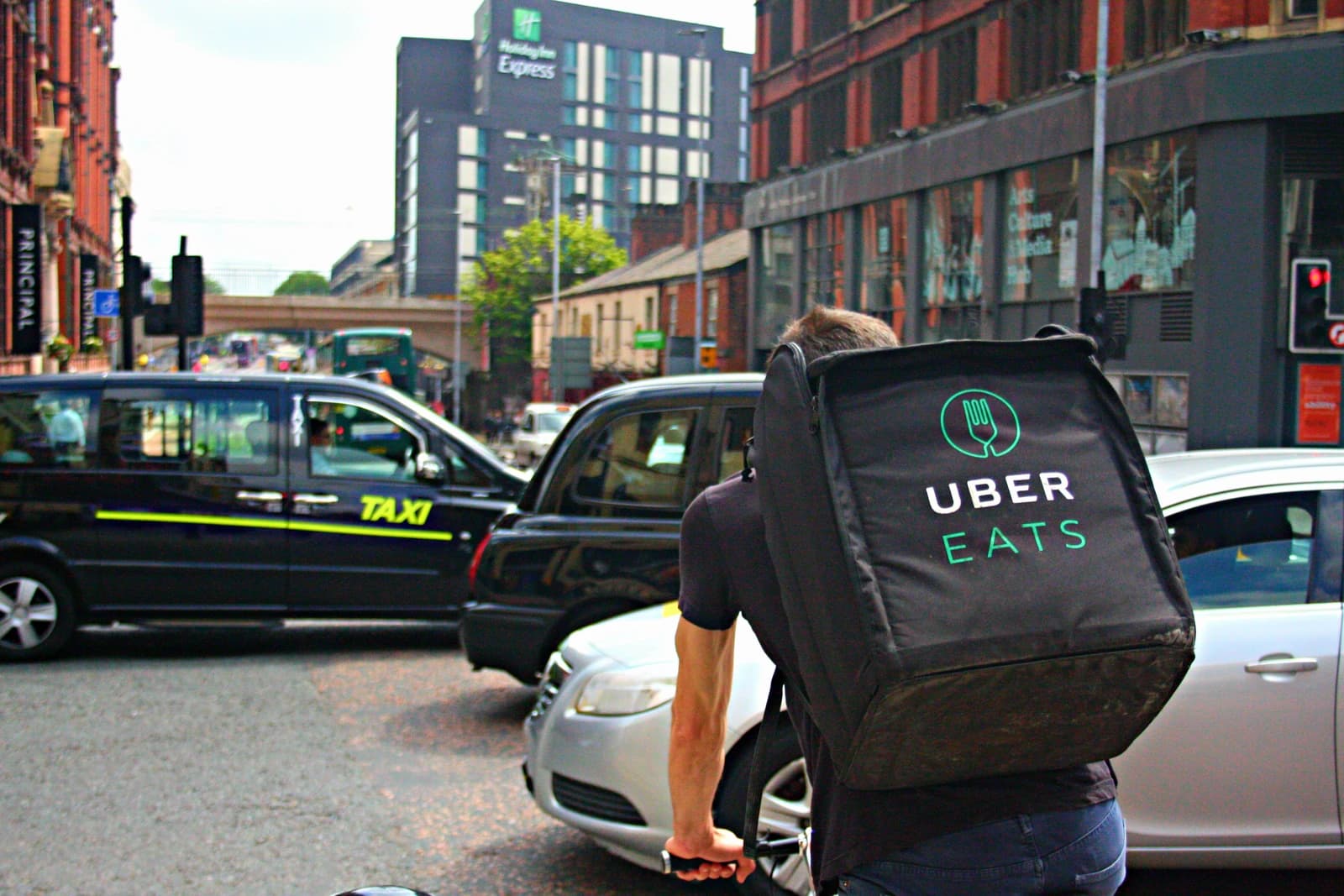
The timing also puts pressure on rivals. Instacart, which has built its business around on-demand grocery fulfillment, faces a larger platform competitor with direct control over inventory, pricing and delivery. Traditional grocers and meal providers may also see Amazon pulling more consumer demand into its own ecosystem, especially as prepared foods become a more important battleground for time-strapped households.
The broader backdrop is weak consumer confidence around spending, with Adalytica’s consumer spending sentiment gauge in “Extreme Fear” territory. That could make value and convenience more important in food retail, but it also increases the risk that Amazon’s push into fresh and prepared foods turns into a margin test rather than an immediate profit driver.
AMZN shares have been trading above both the 50-day and 200-day moving averages, with momentum still positive after a sharp run-up this year. The next catalyst will be whether Amazon can scale the new prepared-meal line without pressuring margins or whether the product becomes another lever to lift grocery frequency and basket size.
| Entity | Gains | Losses |
|---|---|---|
| Amazon | ▲Higher basket frequency | ▼Lower-margin complexity |
| Instacart | ▲More demand for grocery delivery | ▼Share of convenience orders |
| Grocery chains | ▲Category visibility | ▼Private-label competition |
| Consumers | ▲Faster meal access | ▼Fewer delivery choices |