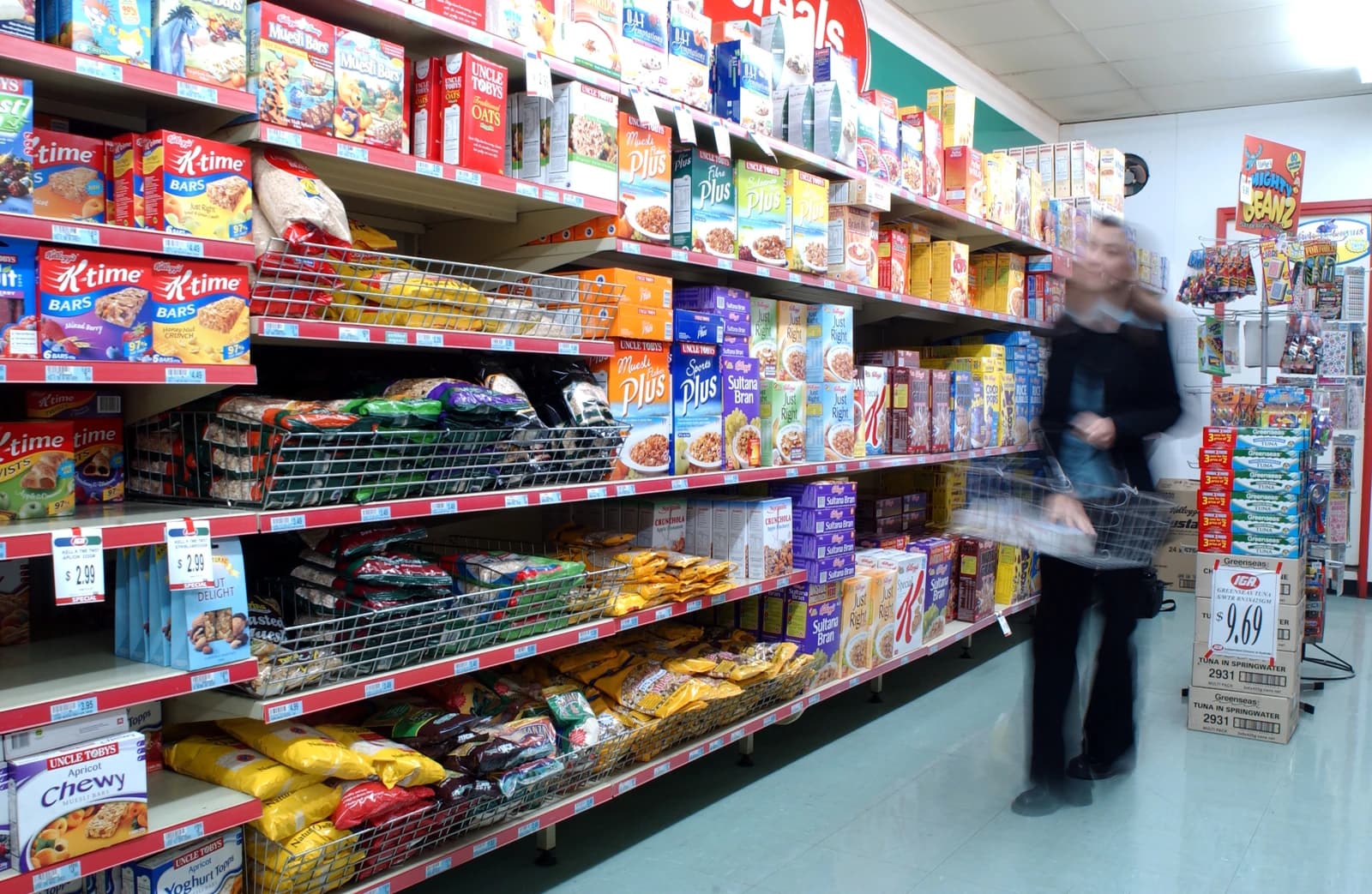
Amazon’s plan to restart fresh grocery deliveries in Germany is set to intensify competition in a market already being reshaped by higher food prices, tighter household budgets and a growing shift toward online shopping.
Amazon Germany fresh grocery deliveries return
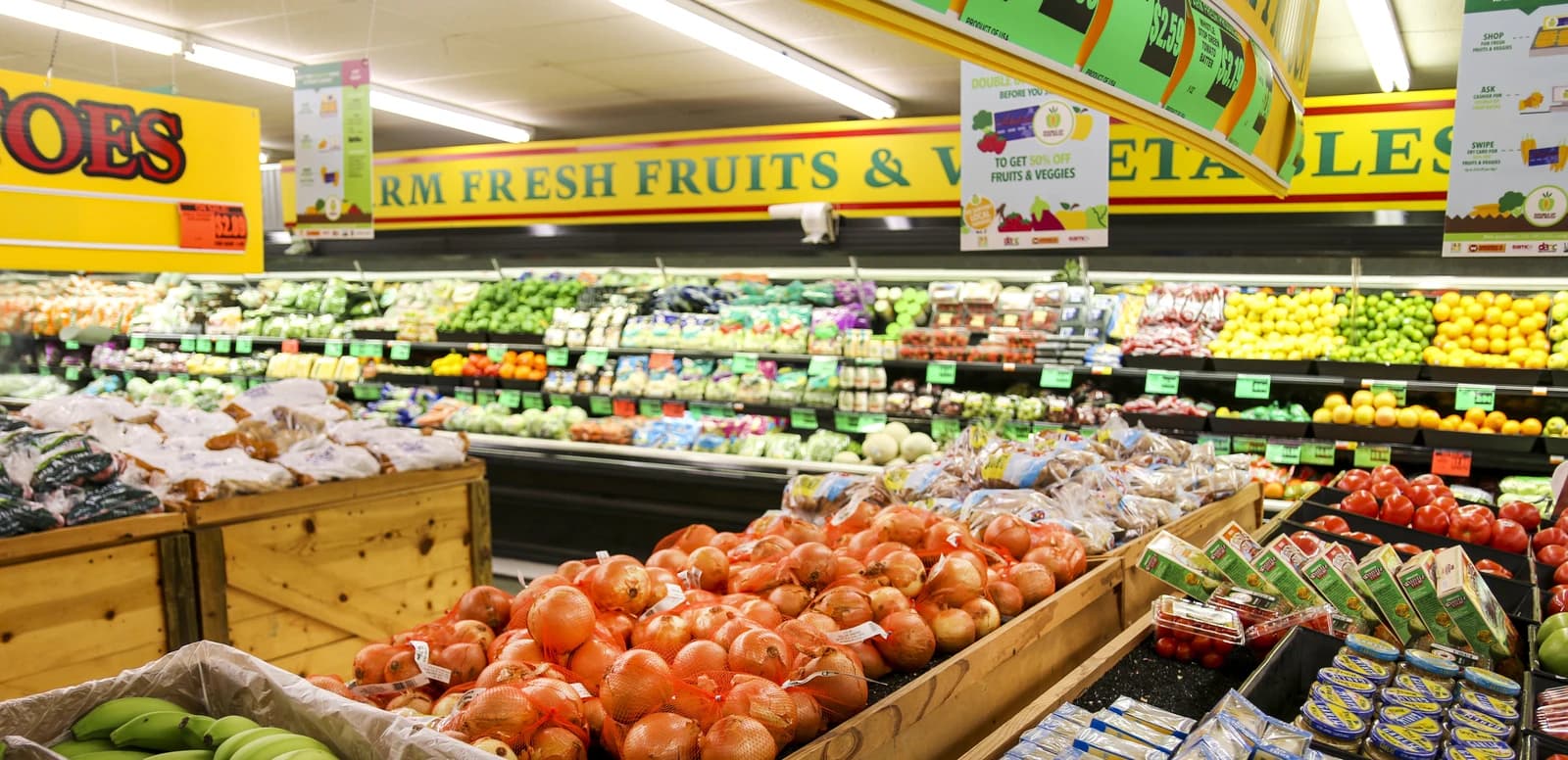
The move matters because groceries are one of the last large retail categories still anchored in physical stores, and the economics are unforgiving. Fresh food is high-frequency, low-margin and operationally complex, which means any company that can use logistics scale to win repeat orders can take share quickly — but only if it keeps spoilage, delivery costs and pricing discipline under control.
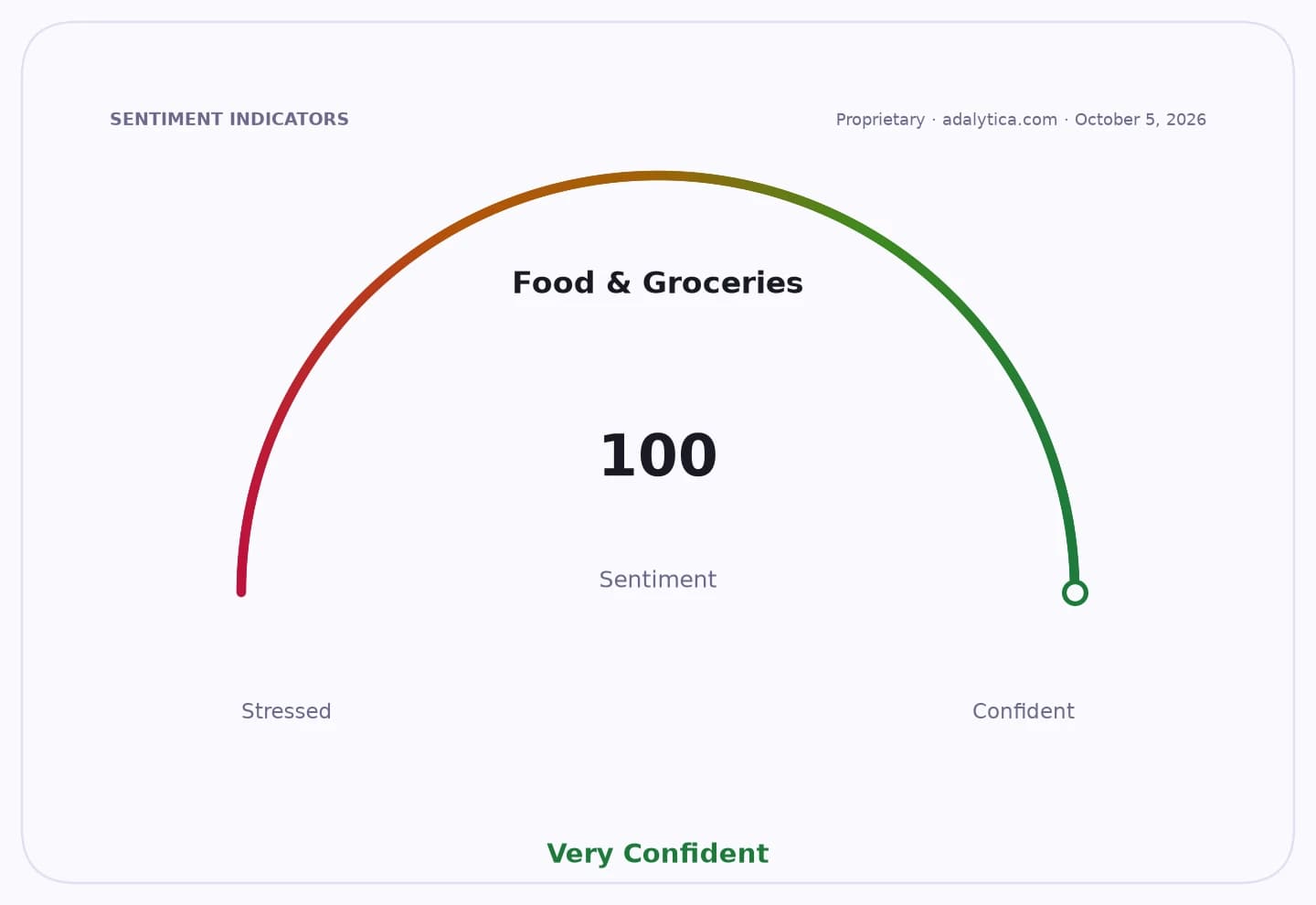
Sentiment Indicators
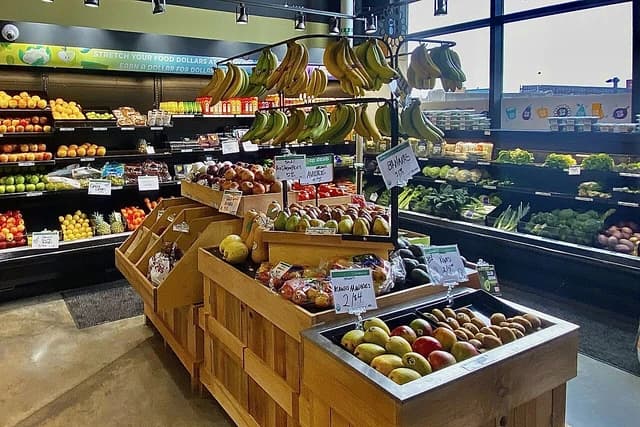
That is why the issue is not just Amazon’s re-entry into fresh deliveries, but the broader vulnerability of the grocery sector. Consumers in Europe are increasingly looking for cheaper and more convenient ways to buy food as produce prices rise. Sentiment data for food and grocery spending is flashing “Extreme Greed,” while consumer spending sentiment overall remains only neutral, underscoring that shoppers may be willing to buy food, but are still highly selective and price sensitive. In that environment, online grocery services gain an opening by promising convenience and potentially sharper pricing, even as they squeeze margins for incumbents.
For Amazon, fresh groceries are strategically attractive because they deepen customer frequency and can help monetize its logistics network more efficiently. A successful rollout in Germany would extend the company’s reach in a market where online grocery adoption still has room to grow and could pressure local supermarket chains to defend share with heavier discounting, faster delivery and more loyalty incentives.
Food & Groceries
For traditional grocers, the threat is twofold. First, they face the immediate loss of basket share if shoppers shift even part of their weekly spend online. Second, they must keep investing in fulfillment, refrigeration, and last-mile capabilities just as margins are being pinched by food inflation and security risks. Recent cyberattacks on refrigeration systems have highlighted how operational weak points can quickly become financial ones, especially in a category where temperature control is essential and disruptions can lead to waste and lost sales.
The public-market reaction has been mixed across U.S. food retailers. Kroger’s stock has been volatile but has recently held above its 50-day moving average, while Walmart and Costco have remained strong, with both trading well above their 200-day averages. That suggests investors still favor the largest players with scale, pricing power and omnichannel reach. Walmart’s recent results showed grocery strength helping comparable sales, while Kroger has also reported e-commerce growth, indicating that digital grocery is no longer optional for incumbents.
Still, Amazon’s expansion into Germany could sharpen the competitive divide. Big chains with dense store networks and efficient distribution may be able to absorb the pressure better than regional players, while smaller grocers risk being forced into margin-eroding promotions or service upgrades they cannot easily fund. Amazon, meanwhile, may accept lower near-term profitability in exchange for higher customer loyalty and more frequent spending.
| Entity | Gains | Losses |
|---|---|---|
| Amazon | ▲Grocery traffic and loyalty | ▼Near-term margins |
| Walmart, Kroger, Costco | ▲Scale leaders with stronger defense | ▼Smaller grocers |
| Consumers | ▲More convenience and pricing options | ▼Less local store leverage |
| Regional supermarkets | ▲— | ▼Share and pricing power |