Amazon’s Prime Day beauty promotions are still pulling in bargain hunters even after the marquee event ended, underscoring how promotion-led demand remains one of the few reliable ways to keep consumers spending in discretionary categories.
Amazon Prime Day beauty deals continue after event
That matters because beauty has been one of retail’s more resilient categories, but it is also becoming increasingly promotional as shoppers chase value and brands fight for visibility. The lingering discounts on Medicube, Wavytalk, COSRX, Revlon and Hot Tools products suggest Amazon is using extended deal windows to hold attention longer, while beauty brands use the traffic to clear inventory, recruit first-time buyers and push trial of higher-margin items.
Sentiment Indicators
For Amazon, the strategy reinforces the marketplace’s role as a discovery engine for beauty and personal care, not just a fulfillment channel. The article’s featured markdowns — up to 56% off on some products and 46% off a Hot Tools curler — show how aggressively the company is leaning on price to convert browsing into sales. That can support volume, but it also keeps pressure on merchants that are already absorbing higher marketing and promotional costs.
The bigger takeaway is that beauty remains a competitive battleground between Amazon and specialty retailers such as Ulta Beauty, while prestige players like Estée Lauder also depend on consumers who are willing to trade up when discounts are deep enough. Amazon shares have recently pulled back from highs, while Ulta and Estée Lauder have also been volatile, reflecting the market’s sensitivity to whether promotional demand is enough to offset margin pressure.
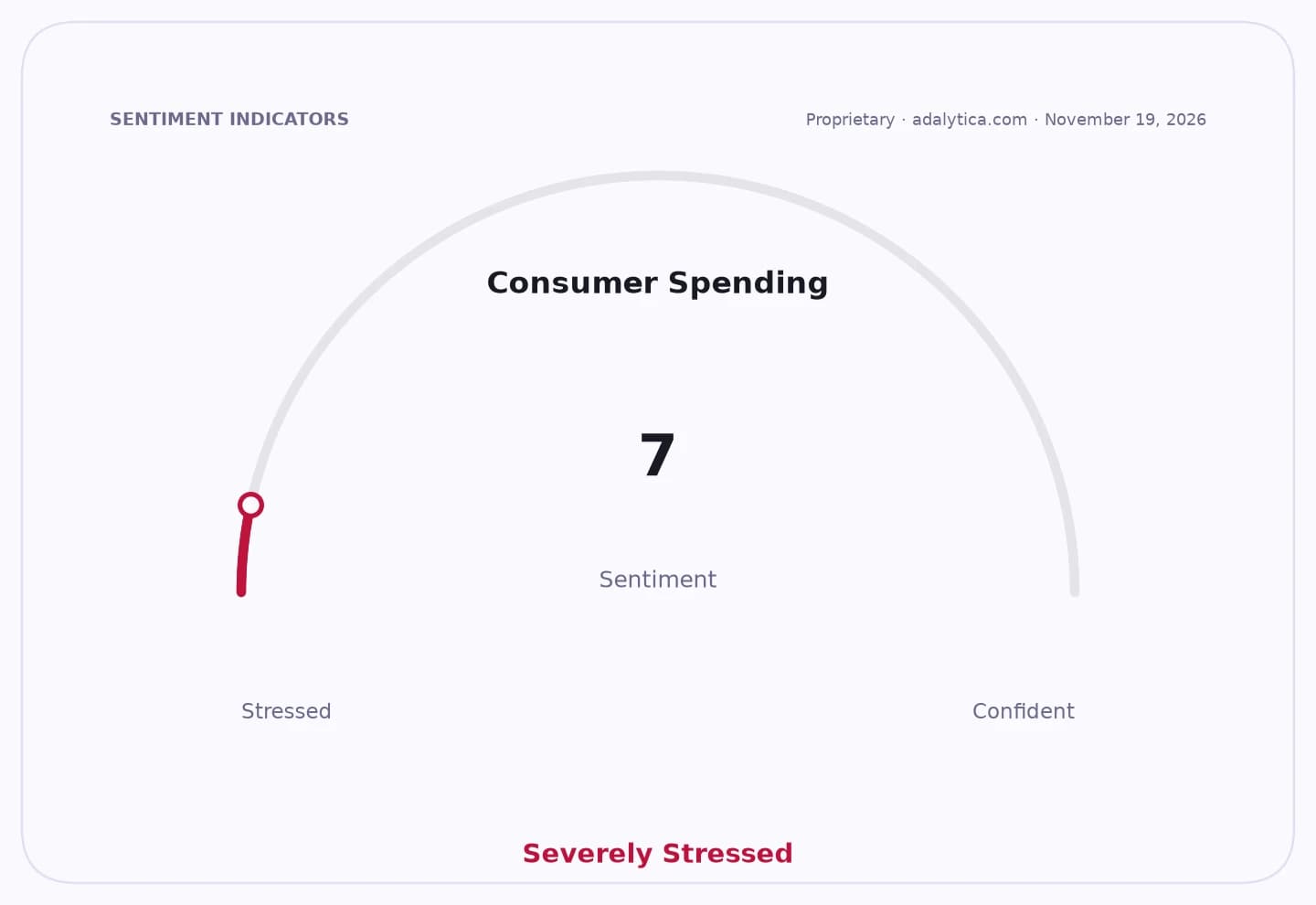
Adalytica’s Consumer Spending Sentiment sits at 7, or “Extreme Fear,” while Retail Goods Spending Sentiment is neutral at 39, a sign that consumers remain cautious even as they respond to discounts. That mix tends to favor retailers with broad assortments and strong deal-making power, but it is a tougher backdrop for brands that need full-price growth.
The near-term focus is whether Amazon can keep beauty traffic elevated beyond Prime Day and whether those sales are incremental or merely pulled forward. If the deals remain sticky, they could support second-half category momentum; if not, they will mainly confirm that shoppers are still waiting for markdowns before they buy.
| Entity | Gains | Losses |
|---|---|---|
| Amazon | ▲Higher traffic and conversion | ▼Margin pressure from discounts |
| Beauty brands | ▲Trial and inventory turnover | ▼Full-price selling power |
| Ulta Beauty | ▲Category demand spillover | ▼Share of promotional shoppers |
| Estée Lauder | ▲Brand exposure | ▼Pricing discipline |