Amazon’s decision to raise pay for employees is a sign that labor is still one of the company’s most important and least controllable costs, and the fact that Germany’s Verdi union remains critical suggests the dispute is far from over.
Amazon Wage Pressure Points to Higher Labor Costs
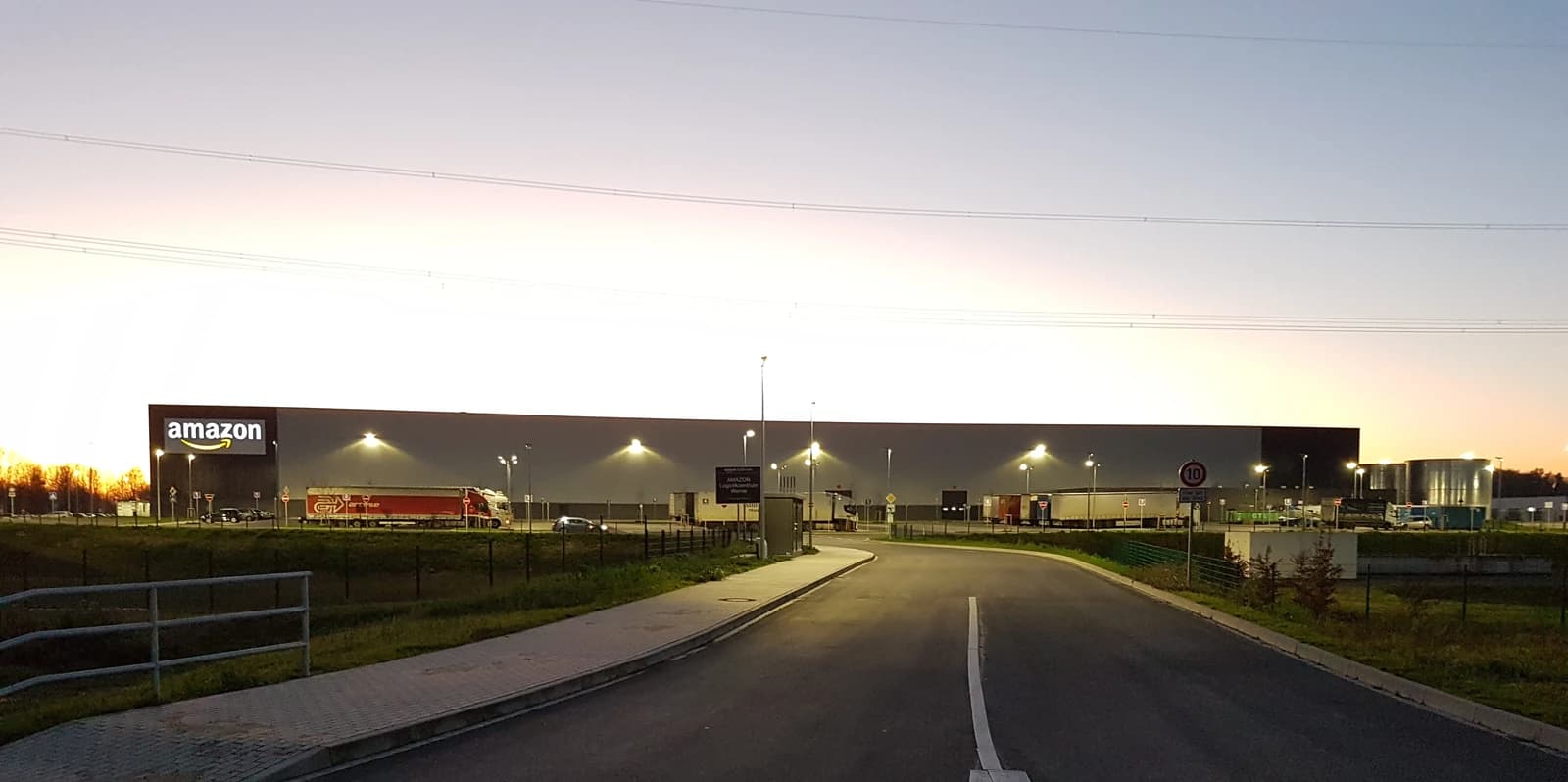
That matters because Amazon is not just a retailer; it is a global logistics, fulfillment and cloud infrastructure giant whose operating leverage depends on keeping labor friction contained. When wage pressure rises in warehouses and delivery networks, the cost is not isolated to one market. It feeds through to margins, service levels and, ultimately, pricing power. For investors, the key question is whether higher compensation secures stability or merely buys time before the next round of negotiations.
Sentiment IndicatorsⓘProprietary · adalytica.com · July 20, 2026
This is a snapshot — live sentiment, awareness and momentum for 130+ markets update continuously in the dashboard.Open AlphaPulse
The market is already wrestling with Amazon’s valuation against a backdrop of powerful but uneven fundamentals. Shares have been volatile, with the stock recently trading below its 50-day moving average and well off its peaks, even as technical readings have turned more constructive in the latest sessions. That tells you investors are still debating whether Amazon’s next earnings inflection will come from cloud growth, retail efficiency or something less welcome: a higher labor bill. Rising wages can support retention and reduce disruption, but they also squeeze the low-margin parts of the business that make the rest of the model work.
Verdi’s criticism is the telling detail. Wage increases alone do not end labor conflicts when unions are pressing for broader changes in working conditions, scheduling and treatment. That raises the odds of recurring negotiations across Amazon’s European footprint, where labor standards and union activism can shape operating decisions more directly than in the U.S. The broader lesson is that Amazon’s biggest operational moat is not only technology or scale, but the company’s ability to run a massive physical network without letting labor costs spiral.
There is also a wider market implication. Amazon sits at the intersection of consumer spending, logistics, cloud and capital spending, so any persistent rise in wage costs touches more than one profit pool. If management has to keep lifting pay to preserve staffing and avoid disruption, the offset will likely come from productivity gains, automation and tighter execution. That creates a second-order investment theme: the beneficiaries may not be Amazon’s labor force, but the automation, robotics and AI infrastructure vendors that help it and its peers reduce dependence on human labor.
The stock already reflects a business that is fighting on multiple fronts — e-commerce margins, capex intensity and labor relations among them. For now, the wage increase looks less like a victory lap than a necessary defense. The real investment takeaway is that Amazon’s long-term upside still exists, but the market may be underestimating how much of that upside depends on winning the labor-cost battle, not just the cloud race. If labor tension keeps escalating, the better trades may be the picks-and-shovels that help Amazon automate its way out of the problem.
| Entity | Gains | Losses |
|---|---|---|
| Amazon management | ▲Short-term labor peace | ▼Higher operating costs |
| Warehouse employees | ▲Higher pay | ▼Limited broader concessions |
| Verdi union | ▲Leverage in talks | ▼Missed immediate win |
| Automation and robotics suppliers | ▲More demand | ▼— |