American Electric Power is back in the spotlight as household electricity bills climb and policymakers scramble to blunt the inflation hit, a backdrop that can support regulated utilities by reinforcing rate increases and asset returns.
American Electric Power rises as bills draw scrutiny
The stock closed at $126.52 on Aug. 18, up from $111.65 in late October and roughly flat with recent levels after swinging sharply through the summer. Trading remains volatile, but AEP is still well above its 200-day moving average of $124.84, even as it sits below its 50-day average of $130.10.
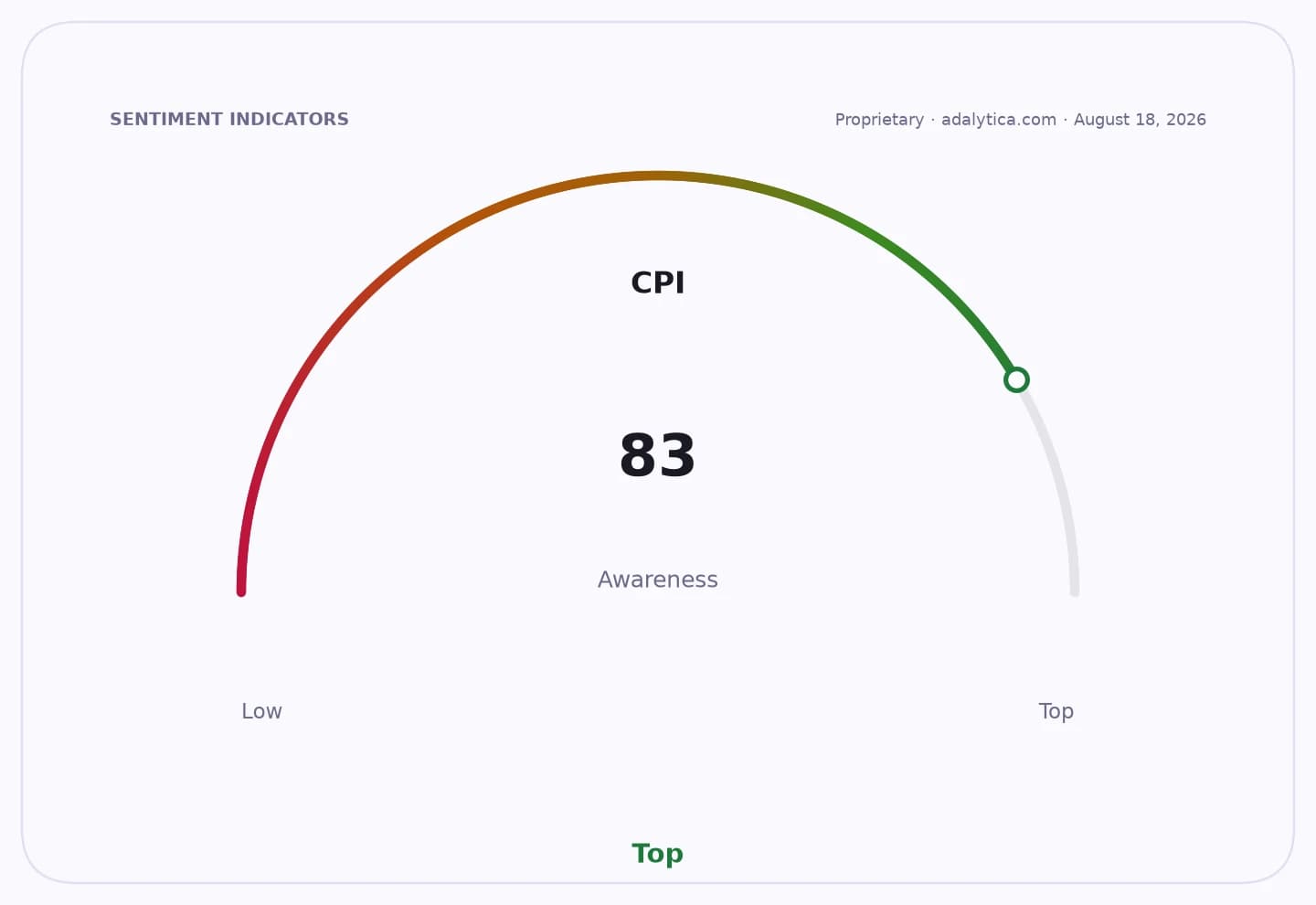
Sentiment IndicatorsⓘProprietary · adalytica.com · August 18, 2026
This is a snapshot — live sentiment, awareness and momentum for 130+ markets update continuously in the dashboard.Open AlphaPulse
The broader economic issue is simple: power bills are becoming more politically sensitive just as governments face pressure to hold down consumer costs. News flow around utility bills, including proposals for tax changes, direct household relief and criticism of energy mismanagement, underscores how quickly electricity pricing has become a cost-of-living issue for voters and an earnings issue for regulated power companies.
For investors, that matters because utilities often pass higher costs through to customers over time, but only with regulatory approval. When bills rise, state commissions, lawmakers and regulators tend to scrutinize rates more closely, which can delay returns on capital even as it supports the case for infrastructure spending and utility earnings visibility.
Technical signals also point to a stock trying to stabilize after a pullback. AEP’s relative strength index was 41.6, recovering from 26.0 on Aug. 14, while the MACD remained negative but improved, suggesting selling pressure has eased without yet turning the trend decisively higher.
The story for AEP now turns on whether regulators allow rate relief fast enough to offset rising costs and whether political pressure around utility bills intensifies into broader pricing intervention. That makes upcoming rate cases, policy responses and the next leg of summer demand key catalysts for the shares.
| Entity | Gains | Losses |
|---|---|---|
| AEP and other regulated utilities | ▲Rate recovery, regulated asset returns | ▼Political scrutiny, slower approvals |
| Households | ▲Potential relief measures | ▼Higher electricity bills |
| Regulators and lawmakers | ▲More leverage on affordability | ▼Pressure to balance inflation and utility investment |
| AEP shareholders | ▲Earnings visibility if rates rise | ▼Margin risk if approvals lag |