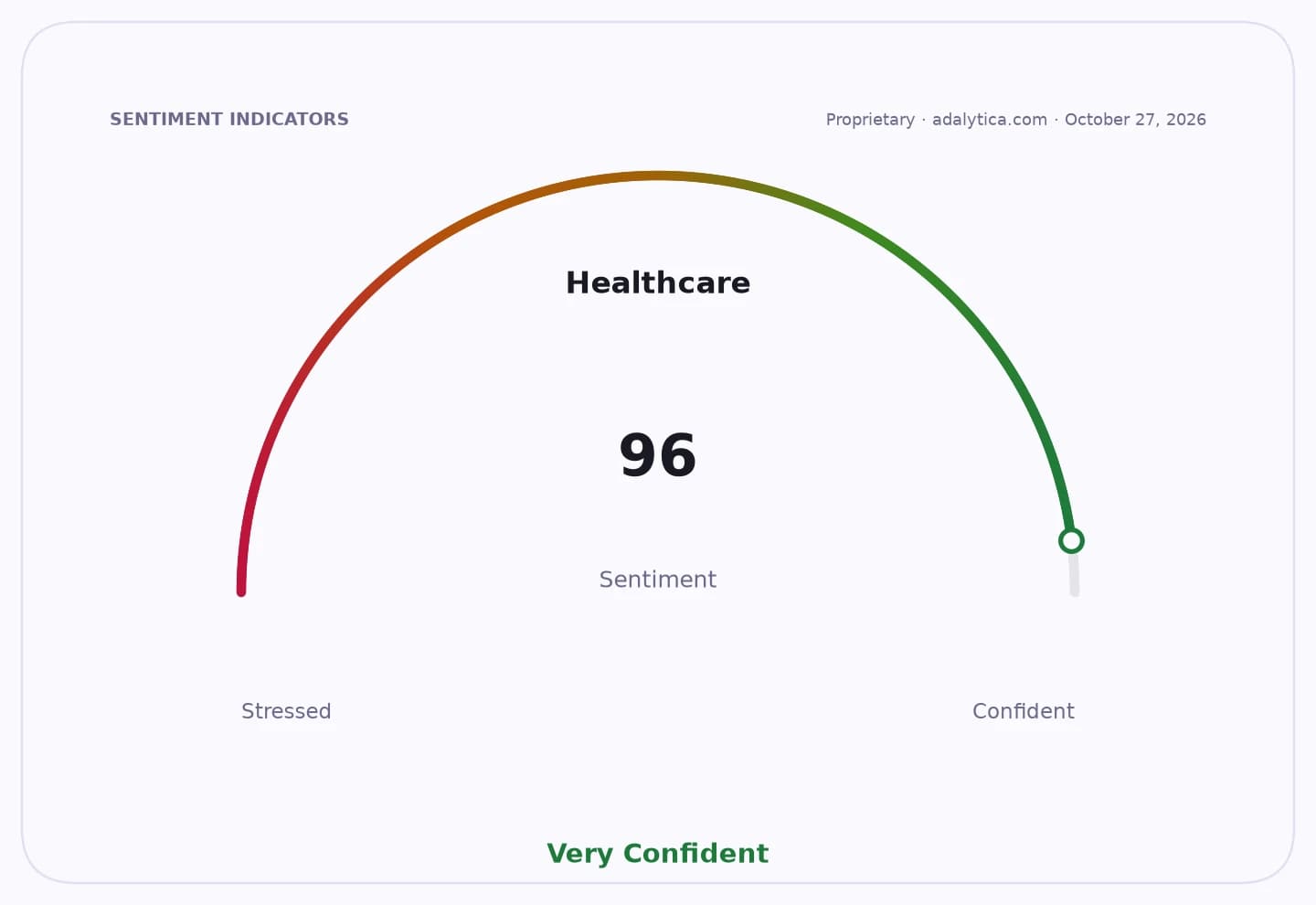
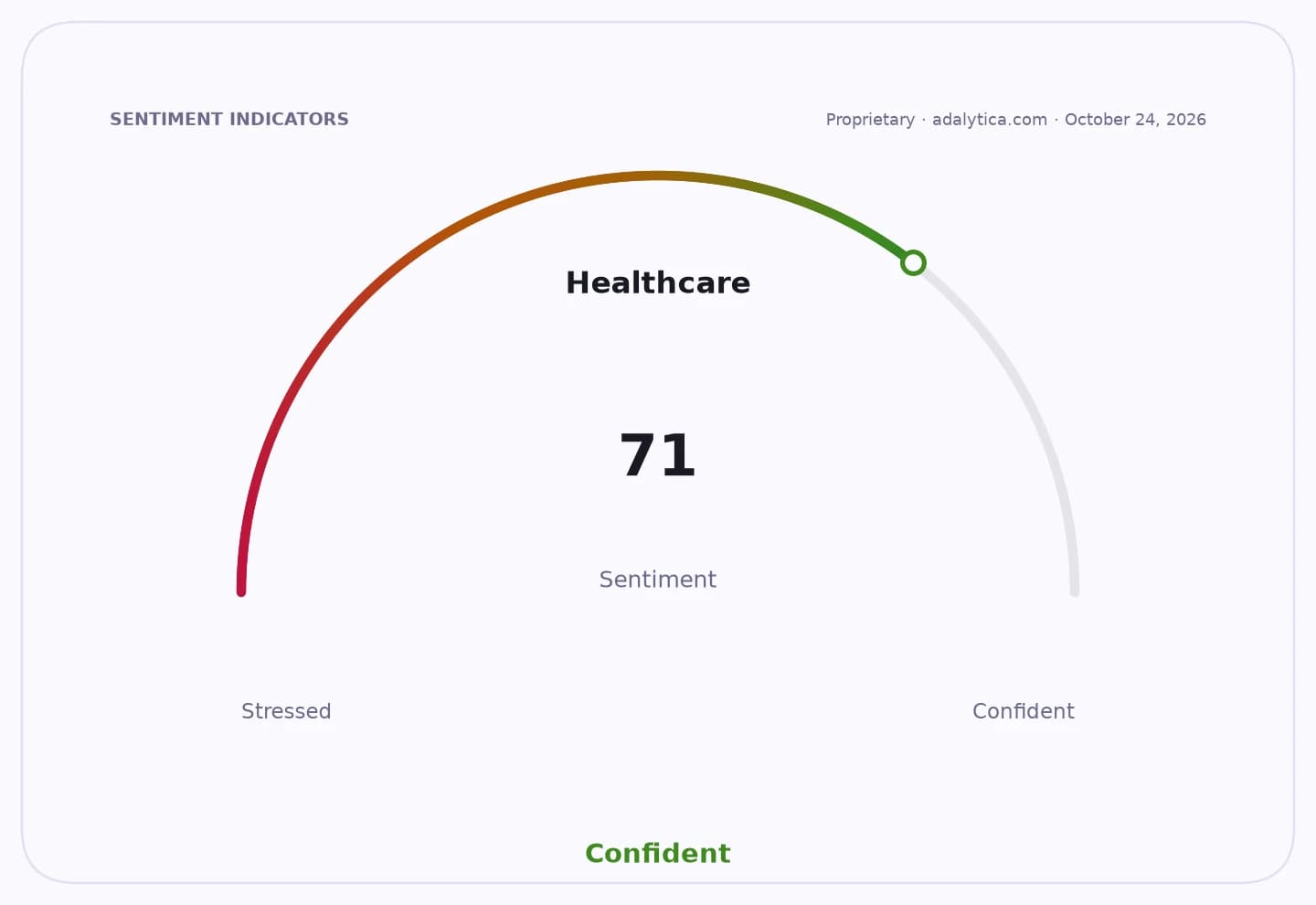
Amgen and AstraZeneca said Tezspire posted strong phase 3 results in eosinophilic esophagitis, a readout that could open a new multibillion-dollar market for the asthma drug and extend one of the pair’s most important immunology franchises.
Amgen, AstraZeneca Tezspire EoE phase 3 results

The data matter because Tezspire already has established commercial traction in severe asthma, and a successful expansion into EoE would widen its addressable patient pool while giving the companies another growth engine at a time when large drugmakers are under pressure to refresh aging portfolios. EoE is a chronic inflammatory disease with limited treatment options, and label expansion would position Tezspire against a market that investors increasingly view as a meaningful growth category in specialty immunology.

Amgen’s shares have reflected that optimism. The stock closed at $439.26 on Oct. 23 after a sharp run-up this year, trading well above its 50-day and 200-day moving averages. The shares are still close to the upper end of their recent range, and momentum readings remain elevated, suggesting the market has already been pricing in further pipeline value. AstraZeneca’s U.S.-listed shares have also outperformed, closing at $171.49 on Oct. 23, above the 50-day average but still below the 200-day level, indicating investors are rewarding pipeline execution even as the broader valuation case remains more mixed.
For Amgen, the EoE success would help diversify a revenue base still heavily tied to mature products and bolster confidence in its ability to sustain growth without relying solely on cost control or M&A. For AstraZeneca, it reinforces the company’s strategy of pairing marketed drugs with new indications that can deepen revenue durability and defend premium valuations. The result also matters competitively: if Tezspire secures a broader label, it would put pressure on rivals developing biologics for type 2 inflammatory diseases, including companies such as Regeneron, which is competing across adjacent immunology and inflammation markets.
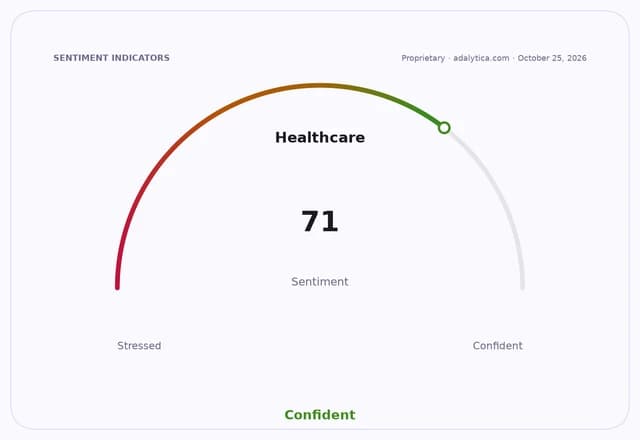
The bear case is that the market may have already capitalized too much of the value. Tezspire’s commercial upside depends on how cleanly the phase 3 data translate into regulatory approval, payer uptake and eventual prescribing share in a crowded specialty landscape. Even with positive efficacy, investors will want to see whether the therapy can differentiate on convenience, safety and durability enough to justify broad reimbursement.
Still, the broader narrative is clear: the companies are trying to convert Tezspire from a successful asthma asset into a platform drug with multiple growth legs. If regulators follow the data, the biggest winners are likely to be Amgen and AstraZeneca shareholders; the biggest losers may be competitors hoping to capture the same expanding immunology market.
| Entity | Gains | Losses |
|---|---|---|
| Amgen | ▲Tezspire growth runway | ▼Pipeline concentration risk |
| AstraZeneca | ▲Immunology franchise value | ▼Need for new assets |
| Patients with EoE | ▲More treatment options | ▼— |
| Rival biologics makers | ▲— | ▼Share in EoE market |