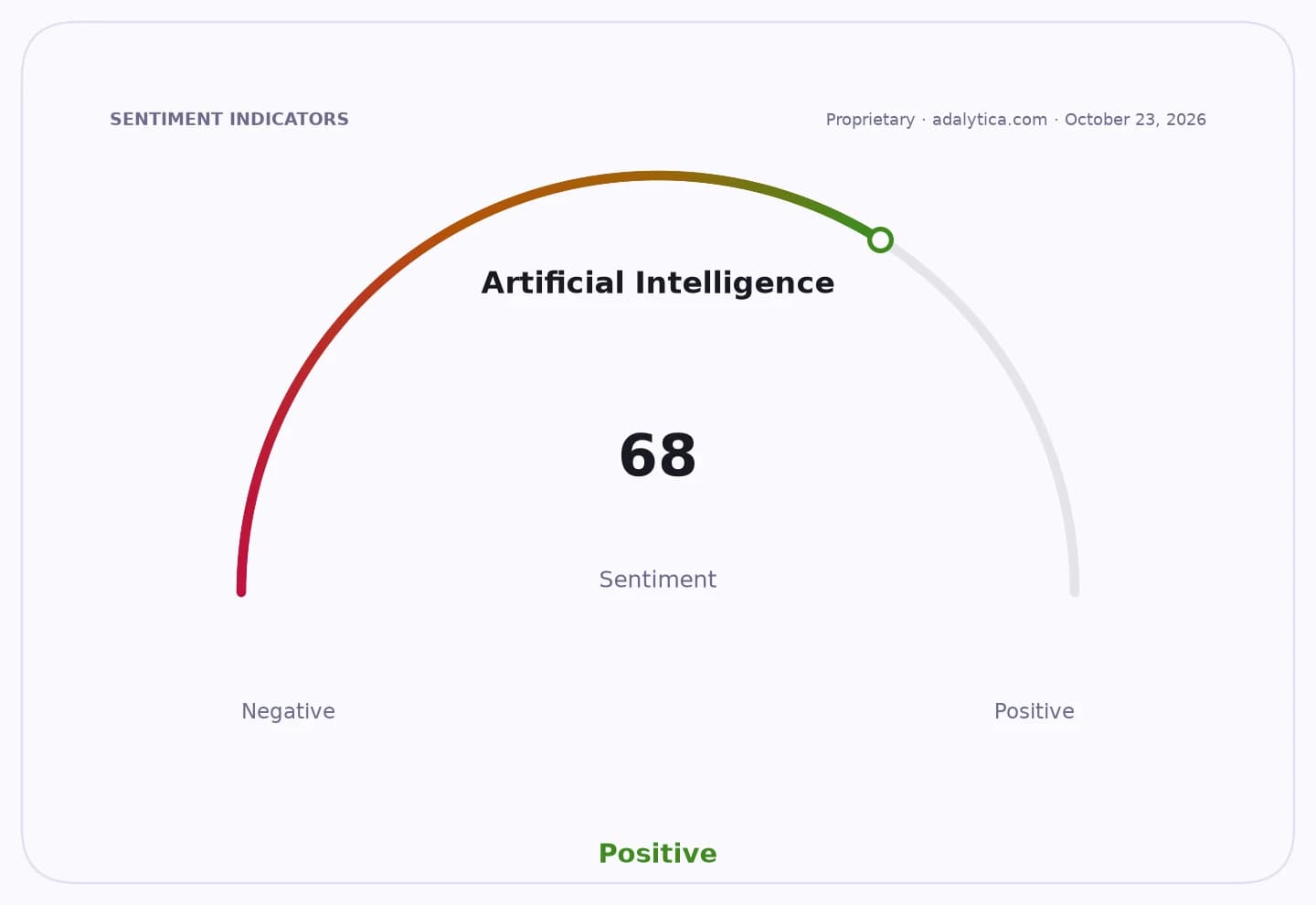
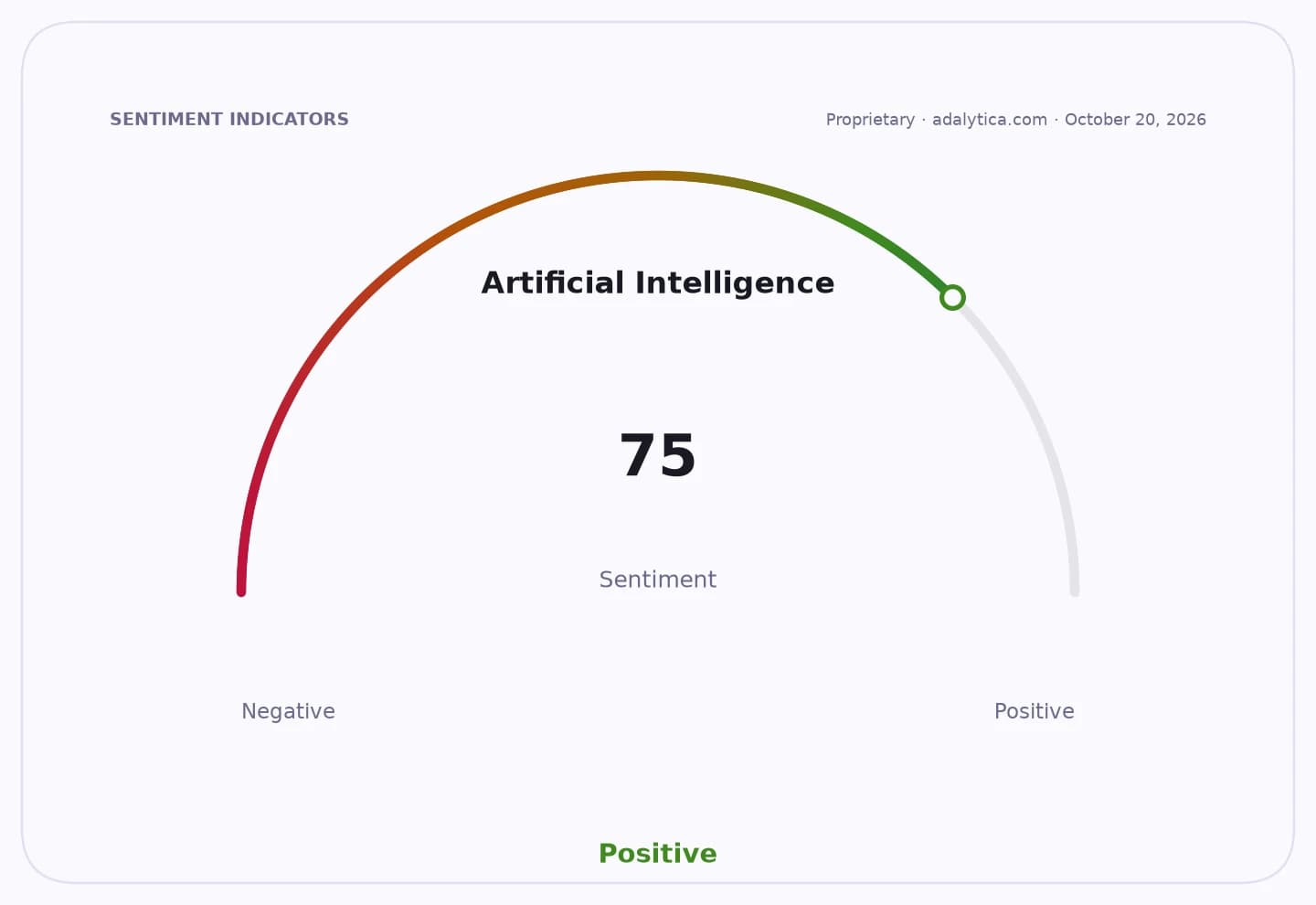
AstraZeneca is moving to use Oracle’s artificial intelligence and healthcare data tools to find patients faster for clinical trials, a partnership that could trim one of the drug industry’s most expensive bottlenecks and support the company’s push toward $80 billion in annual revenue by 2030.
AstraZeneca Partners With Oracle on AI Trial Recruitment
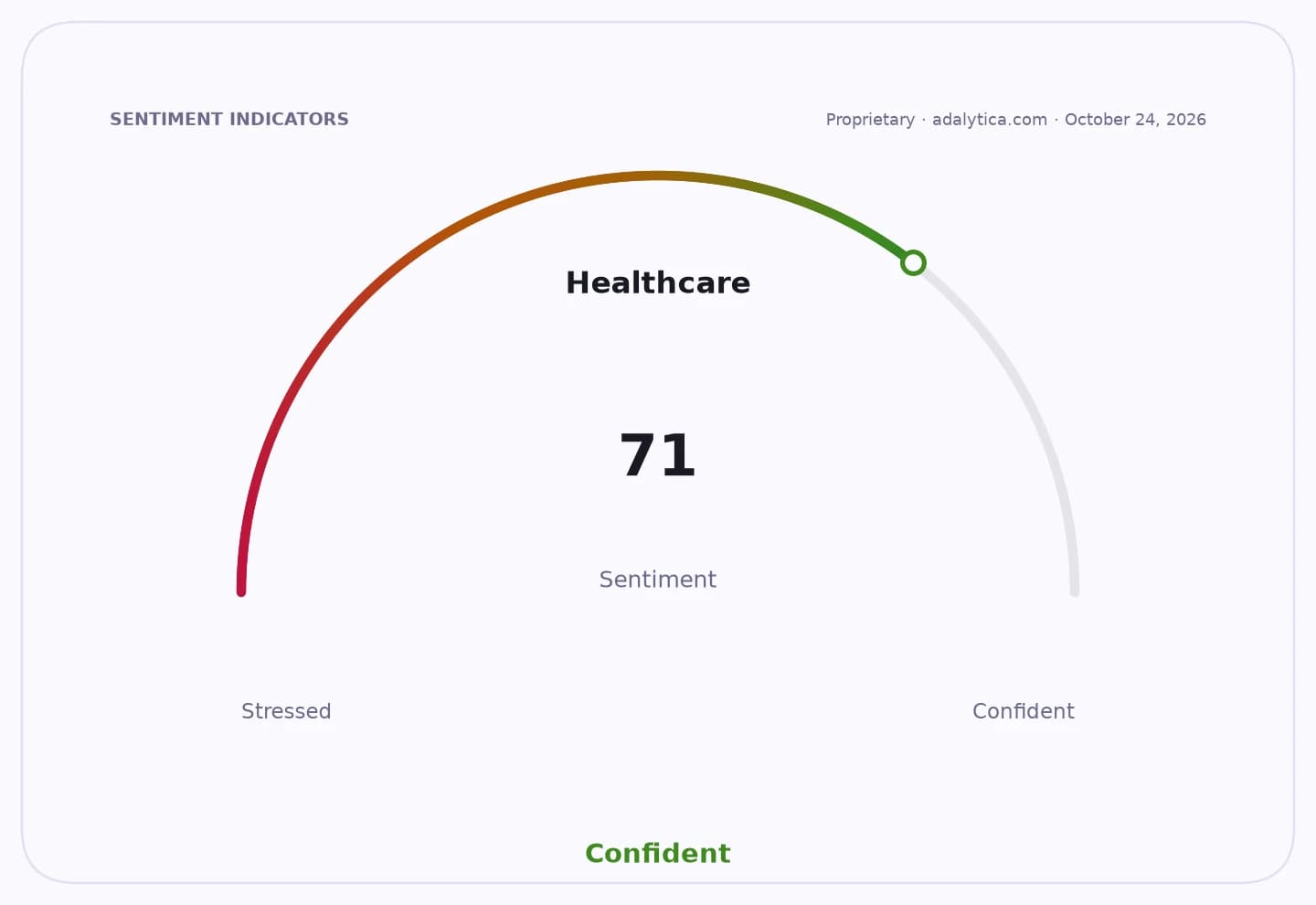
That matters because patient recruitment is often where promising medicines lose time and money. Delayed enrolment can stretch trial timelines, raise development costs and slow the path to approval. For a company like AstraZeneca, which is trying to broaden its portfolio in cancer, cardiovascular disease, respiratory care, immunology and rare diseases, anything that improves trial execution can have a direct impact on future earnings growth.
The first project will focus on hypertension research in Abu Dhabi with UAE healthcare firm M42, but the bigger takeaway is broader: drugmakers are increasingly using AI and real-world data to make trials more efficient, more targeted and potentially safer. AstraZeneca said the collaboration will also help monitor safety signals, which could reduce late-stage surprises and improve confidence in study design.
Investors should care because this is not just a technology story; it is a productivity story. Pharma margins depend heavily on how quickly a company can move candidates from lab to clinic and clinic to market. If AI can improve patient matching and trial monitoring at scale, it can shorten development cycles and increase the odds that the R&D budget turns into revenue. That is especially relevant for AstraZeneca, which has had setbacks in the past from incorrect trial designs, including delays in breast cancer work and a failed nerve disorder treatment.
The market is also rewarding companies that can show practical AI adoption rather than vague ambition. AstraZeneca’s shares have been trading above their 50-day moving average, while Oracle has been under pressure and remains below its 200-day moving average, underscoring how the two companies are coming at this partnership from very different places. For AstraZeneca, the deal adds another reason to believe its pipeline machine can keep compounding over the next several years. For Oracle, it is another example of how its cloud and AI infrastructure is finding use cases beyond generic enterprise software.
This is the kind of partnership long-term investors should watch closely. If AstraZeneca can consistently use AI to reduce trial friction, the payoff could show up not in one quarter, but in a steadier pipeline, lower development risk and a better shot at hitting its 2030 revenue goal. That makes the stock worth keeping on the watchlist for investors who favor durable franchises and multi-year growth stories.
| Entity | Gains | Losses |
|---|---|---|
| AstraZeneca | ▲Faster trials, lower R&D friction | ▼Less room for execution errors |
| Oracle | ▲More healthcare AI credibility | ▼Pressure to prove returns from AI |
| Patients | ▲Quicker access to studies | ▼More data-sharing scrutiny |
| Rivals without AI tools | ▲— | ▼Slower, costlier trial processes |