AstraZeneca is moving deeper into artificial intelligence at the riskiest point in drug development, striking a deal with Insitro that could be worth as much as $1.46 billion to use “virtual humans” to identify the biological targets most likely to produce new medicines for liver and heart disease.
AstraZeneca partners with Insitro on AI drug discovery
That matters because target selection is where many drug programs fail, wasting years of research and billions in capital before a molecule ever reaches a patient. If AstraZeneca can use AI and lab-grown cell models to narrow the field earlier, it could improve the economics of discovery, speed up development and protect the company’s edge in competitive disease areas where the best pathways are quickly copied once published.
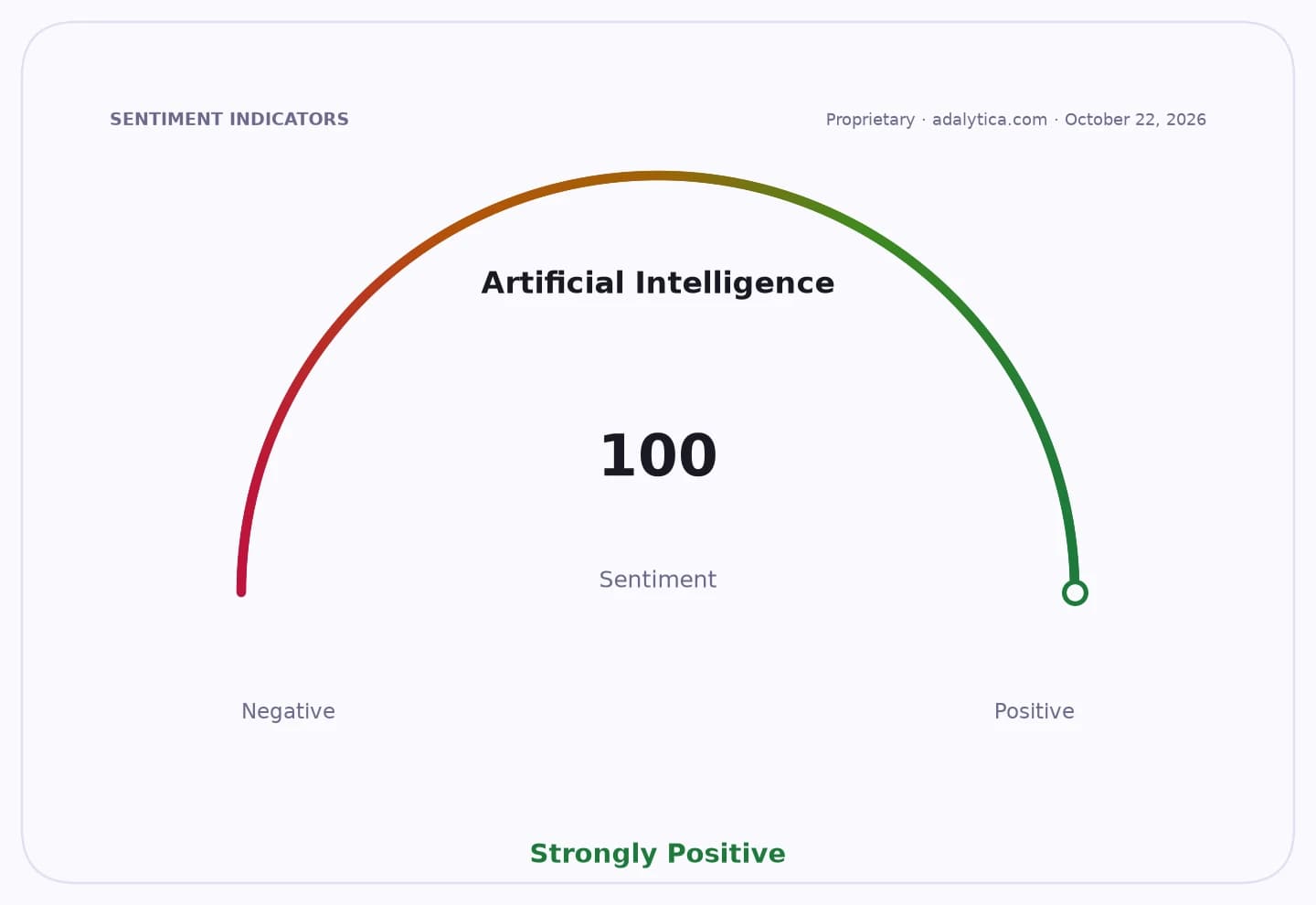
Sentiment IndicatorsⓘProprietary · adalytica.com · October 22, 2026
This is a snapshot — live sentiment, awareness and momentum for 130+ markets update continuously in the dashboard.Open AlphaPulse
The agreement starts with a $40 million upfront payment and gives Insitro the chance to earn milestone payments tied to development and commercialization, plus royalties on future sales. The first projects will focus on MASH, a severe form of fatty liver disease linked to metabolic dysfunction, and cardiomyopathies, which affect the heart muscle and remain difficult to treat because the underlying biology is still poorly understood.
Insitro’s “Virtual Human” platform blends cell models grown in the lab with machine-learning algorithms to map biological links and surface targets that can be advanced into drug candidates. AstraZeneca will steer the research priorities, while Insitro works up to the point where candidates are ready for development, after which the British drugmaker will take over and fund clinical trials.
For investors, this is more than a single collaboration. It is another sign that big pharma is shifting capex toward AI-driven discovery tools that can serve as force multipliers across multiple programs, not just one experimental drug. The market is still underestimating how much value can be created by reducing false starts in R&D, especially in complex therapeutic areas where the first mover can capture the most attractive IP and pricing power.
The stock reaction may be modest in the short term, but the strategic message is clear: AstraZeneca wants earlier, better biological insight and is willing to pay up for it. If the platform works, it could become a repeatable engine for future partnerships and a template for how the industry uses AI to find the next generation of blockbuster therapies.
| Entity | Gains | Losses |
|---|---|---|
| AstraZeneca | ▲Better target selection | ▼R&D waste and delay |
| Insitro | ▲Upfront cash and milestones | ▼Dependence on execution |
| Big pharma peers | ▲Validation of AI discovery | ▼Pressure to match spending |
| Traditional screening models | ▲— | ▼Relevance in target discovery |