AstraZeneca’s decision to add Summit Therapeutics to its Datroway collaboration underscores a bigger strategic goal: widen the reach of one of its most important oncology assets while sharing the clinical and commercial risk of proving it can work across more cancers.
AstraZeneca Adds Summit to Datroway Collaboration

The deal matters because Datroway is moving deeper into a crowded race for next-generation cancer treatments, where combination regimens can determine which companies win share in lung, breast and other high-value tumors. For AstraZeneca and Daiichi Sankyo, the collaboration is a way to keep building around a drug that already sits at the center of a broad development programme, while bringing in Summit’s ivonescimab as a potential partner in planned combination trials.
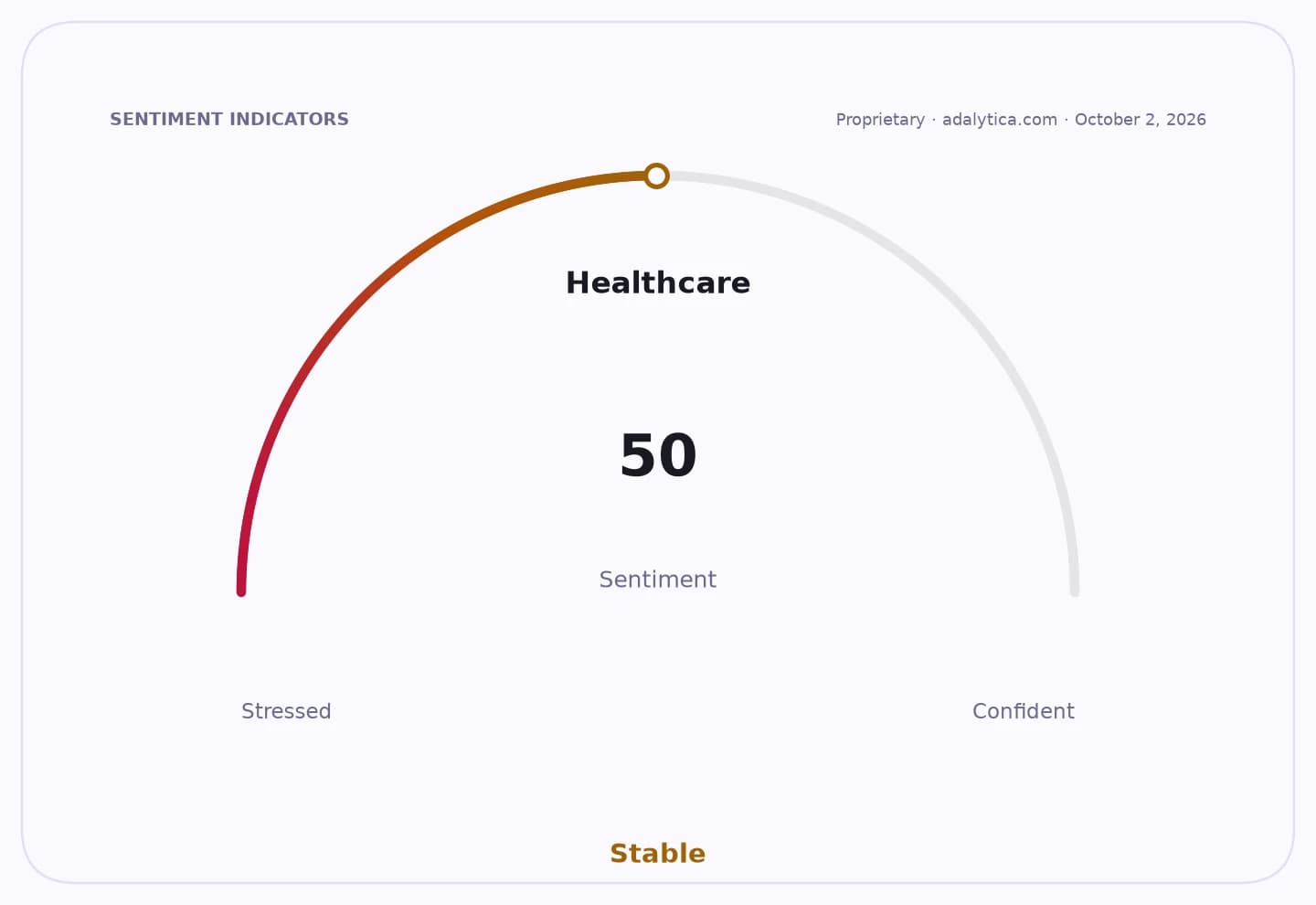
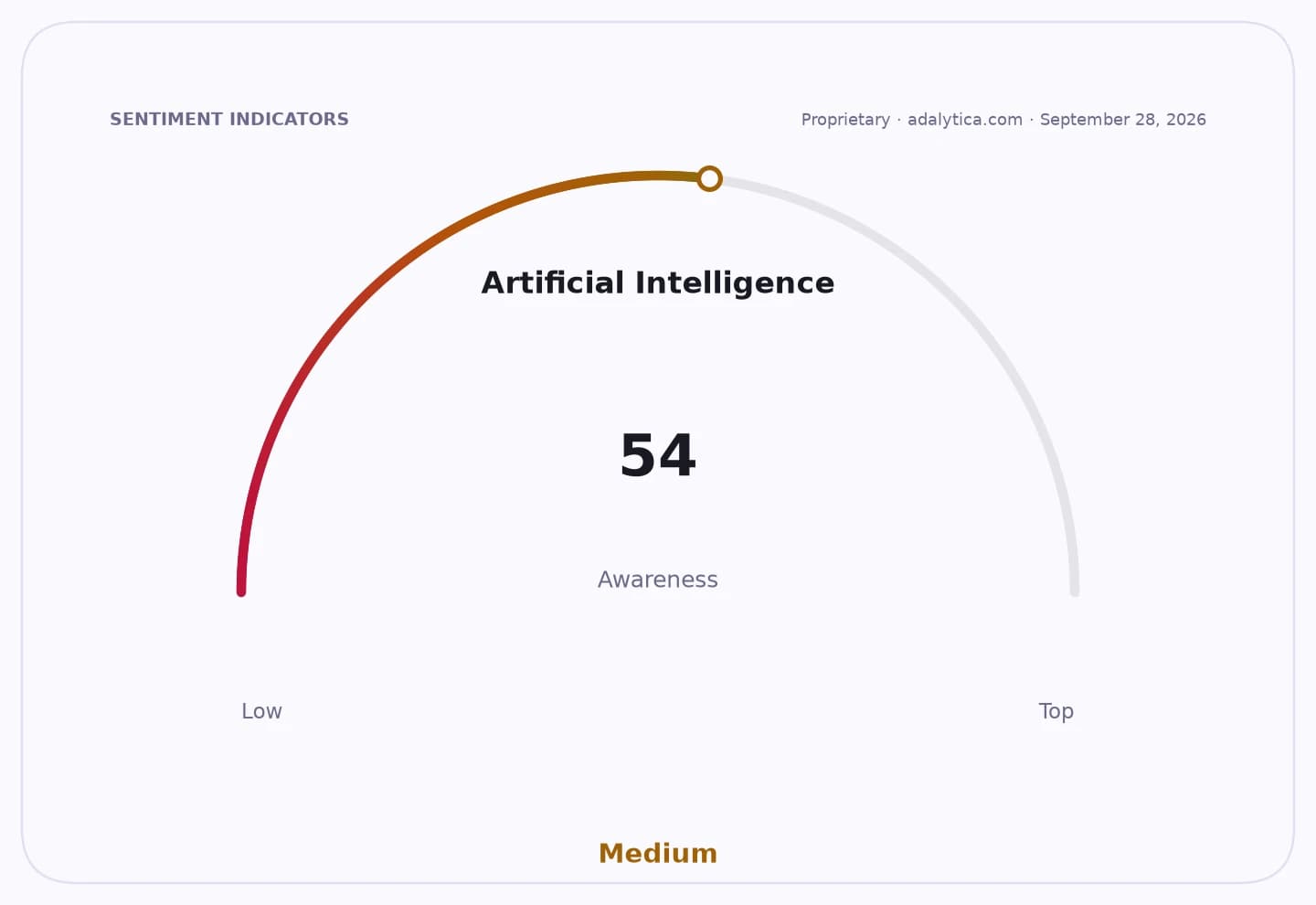
Sentiment IndicatorsⓘProprietary · adalytica.com · October 3, 2026
This is a snapshot — live sentiment, awareness and momentum for 130+ markets update continuously in the dashboard.Open AlphaPulse
AstraZeneca disclosed the arrangement in a 6-K filing on Oct. 2, saying each company will contribute its respective medicine for studies that will be sponsored by the parties. The company said Datroway is already being tested in more than 20 trials across multiple cancers, including non-small cell lung cancer, triple-negative breast cancer and urothelial cancer, with eight Phase III studies underway. Summit separately said the collaboration reflects “increasing conviction” in ivonescimab’s potential as a foundational next-generation immunotherapy.
Economically, the move fits the model that now dominates oncology: instead of relying on a single-agent story, drugmakers are trying to assemble combination platforms that can expand the addressable market and extend product life cycles. If successful, Datroway’s pairing with Summit’s asset could strengthen AstraZeneca’s hand in a segment where efficacy, safety and sequencing against rivals such as Merck and Bristol Myers are central to future sales. If not, the collaboration still gives both companies a relatively capital-efficient way to test a high-conviction hypothesis without bearing the full burden alone.
Investors have already shown how sensitive AstraZeneca is to oncology execution. The stock had climbed above $190 earlier this year before retreating to about $156.90 on Oct. 2, leaving it below its 200-day moving average of 181.70 and signaling that sentiment has cooled despite the company’s long oncology runway. The latest deal does not change fundamentals overnight, but it adds another catalyst to a portfolio that depends heavily on proving new growth from cancer assets. For Summit, the collaboration offers validation from two much larger partners and could support the case that ivonescimab deserves a place in future standard-of-care combinations.
The bull case is that these kinds of alliances are exactly how modern oncology franchises are built: by stacking complementary mechanisms and widening the funnel of future label-expansion opportunities. The bear case is that the market is increasingly skeptical of combination deals that sound strategically logical but take years to translate into data, approvals and revenue. The next inflection point will be whether the planned trials produce differentiated clinical results that can justify broader development, and ultimately, market share.
| Entity | Gains | Losses |
|---|---|---|
| AstraZeneca | ▲Broader Datroway reach | ▼More R&D complexity |
| Daiichi Sankyo | ▲Shared trial risk | ▼Dilution of control |
| Summit Therapeutics | ▲Validation for ivonescimab | ▼Dependence on data |
| Merck/Bristol Myers | ▲— | ▼More oncology competition |