A Russian research team says it has created four gold-based compounds that destroyed cancer cells far more effectively than cisplatin in early lab tests, a development that could one day matter for one of oncology’s toughest problems: tumors that stop responding to platinum chemotherapy.
Russian team tests gold compounds against cancer cells

Why does that matter? Because platinum drugs such as cisplatin remain foundational in cancer treatment, yet resistance to them is a major reason tumors come back and patients run out of options. A therapy that can work where platinum fails would not just be a scientific advance; it could change how doctors treat some of the most difficult cancers and expand the market for next-generation oncology drugs.
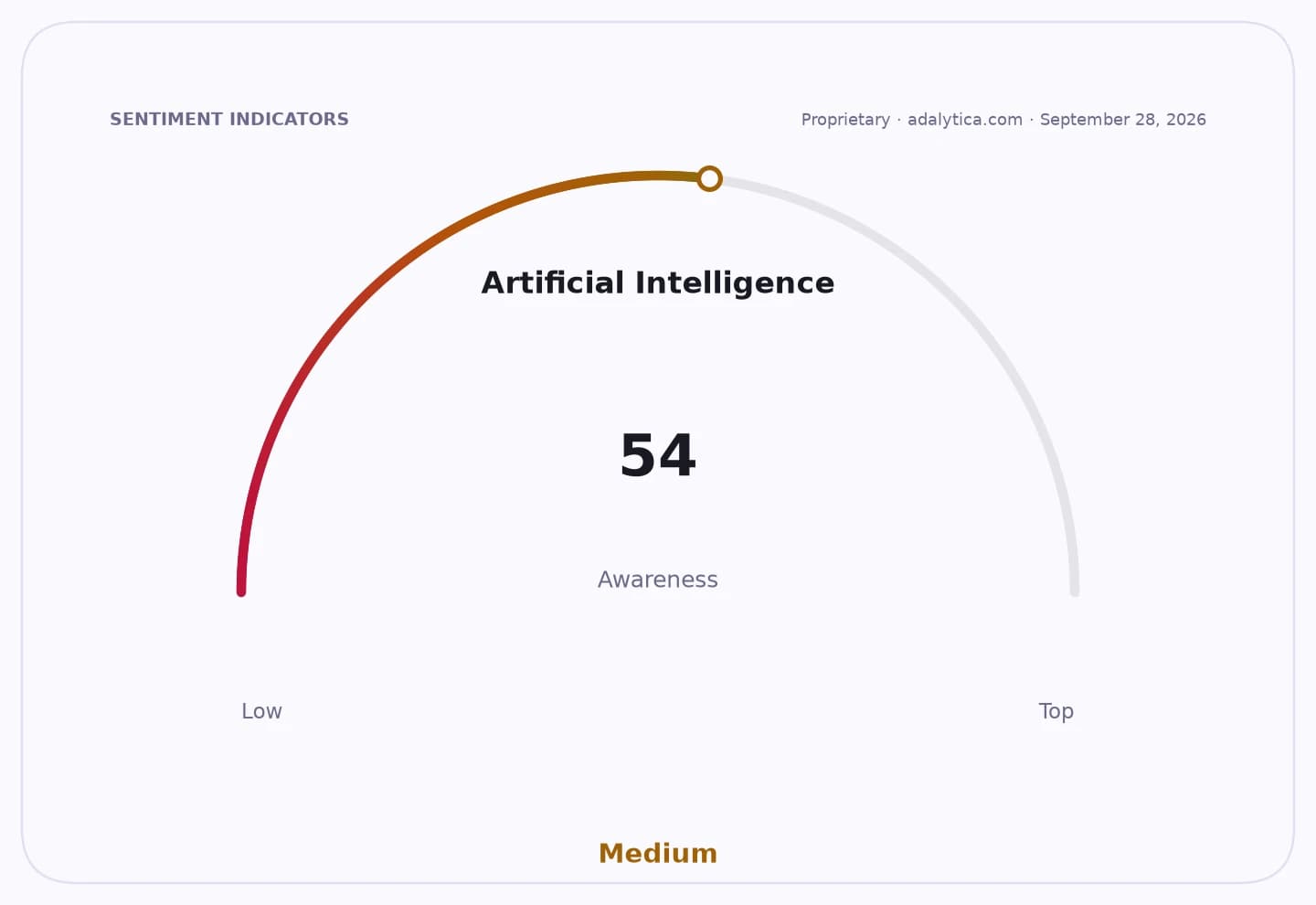
Sentiment IndicatorsⓘProprietary · adalytica.com · September 28, 2026
This is a snapshot — live sentiment, awareness and momentum for 130+ markets update continuously in the dashboard.Open AlphaPulse
The team, working through Russia’s Institute of Inorganic Chemistry and backed by the Russian Science Foundation, said the four compounds were tested on cultures of cervical and breast cancer cells. In those experiments, the gold molecules killed tumor cells five to 10 times more effectively than cisplatin, one of the most widely used platinum-based chemotherapy drugs. Just as important, the compounds were said to have much weaker effects on healthy human cells, suggesting a possible route toward the selectivity that has long eluded many metal-based cancer drugs.
That selectivity is the key investment takeaway. Cancer drug developers have spent decades trying to improve on traditional chemotherapy’s blunt-force approach, because efficacy alone is not enough. A successful drug also has to spare healthy tissue, avoid unbearable side effects and, ideally, overcome resistance mechanisms that limit existing therapies. The fact that these compounds also bound to blood proteins, which may help them spread through the body, hints at why researchers see them as more than just a chemistry curiosity.
For investors, the broader lesson is that oncology remains one of the most durable long-term growth areas in healthcare. Every step toward better targeted treatments, safer delivery systems and resistance-busting drugs creates opportunities for large drugmakers, biotech companies and the diagnostics firms that help match patients with the right therapy. Merck and Bristol Myers Squibb, both deeply exposed to oncology, have built major franchises around the idea that combinations and biomarker-driven treatment can extend the life of existing cancer drug classes. Abbott’s acquisition of Exact Sciences also shows how cancer care is becoming a wider ecosystem, spanning treatment, screening and monitoring.
The market, though, is not pricing in a breakthrough here yet — and it should not. These are preclinical findings, not a commercial drug. The path from cell cultures to approved treatment is long, expensive and full of failure points. Researchers still need to improve the compounds’ stability and solubility, then prove they work in animals and humans. But that is exactly why early-stage science matters to long-term investors: the companies and platforms that solve the hard chemistry problems first often create decades of value.
Gold itself has also been in the investment spotlight for different reasons. The metal-backed GLD exchange-traded fund has been volatile, with recent technical readings showing the fund below its 200-day moving average and its relative strength index in the mid-30s, while Adalytica’s Gold Fear & Greed Index sits in fear territory. That is a market story, not a medical one, but it underscores how gold keeps finding new narratives — as a store of value in portfolios and, now, as a possible building block in future cancer medicines.
For long-term investors, the real story is not a quick trade in gold or a headline spike in a small-cap drug name. It is that oncology innovation keeps opening new fronts, and the companies that can turn promising chemistry into safe, effective medicine can build enormous moats. This gold-based work is still early, but it is worth watching as another reminder that the next breakthrough in cancer care can emerge from unexpected places.
| Entity | Gains | Losses |
|---|---|---|
| Gold-based drug developers | ▲New treatment platform | ▼High-risk, long timelines |
| Patients with platinum-resistant cancer | ▲Potential future option | ▼Slow path to approval |
| Platinum chemotherapy makers | ▲Established standard of care | ▼Threat from replacement therapies |
| Large oncology players | ▲More combination opportunities | ▼Pressure to innovate faster |