GE HealthCare’s $945 million cash deal for SOFIE Biosciences is a bet that radiopharmaceuticals will become one of the company’s most important growth engines, giving the medical-imaging group control over more of the production chain at a time when demand for PET tracers and cancer diagnostics is rising.
GE HealthCare buys SOFIE Biosciences for $945 million

The acquisition matters because it moves GE HealthCare deeper into a market where logistics and manufacturing capacity are often as important as the underlying science. Radiopharmaceuticals, particularly fluorine-18-based products, have a half-life of just 110 minutes, which makes proximity to hospitals and a dense production footprint critical. By buying SOFIE’s 15 U.S. production sites, 21 cyclotrons and a theranostics development facility, GE HealthCare is trying to secure the “last mile” of supply rather than remain dependent on third-party capacity.
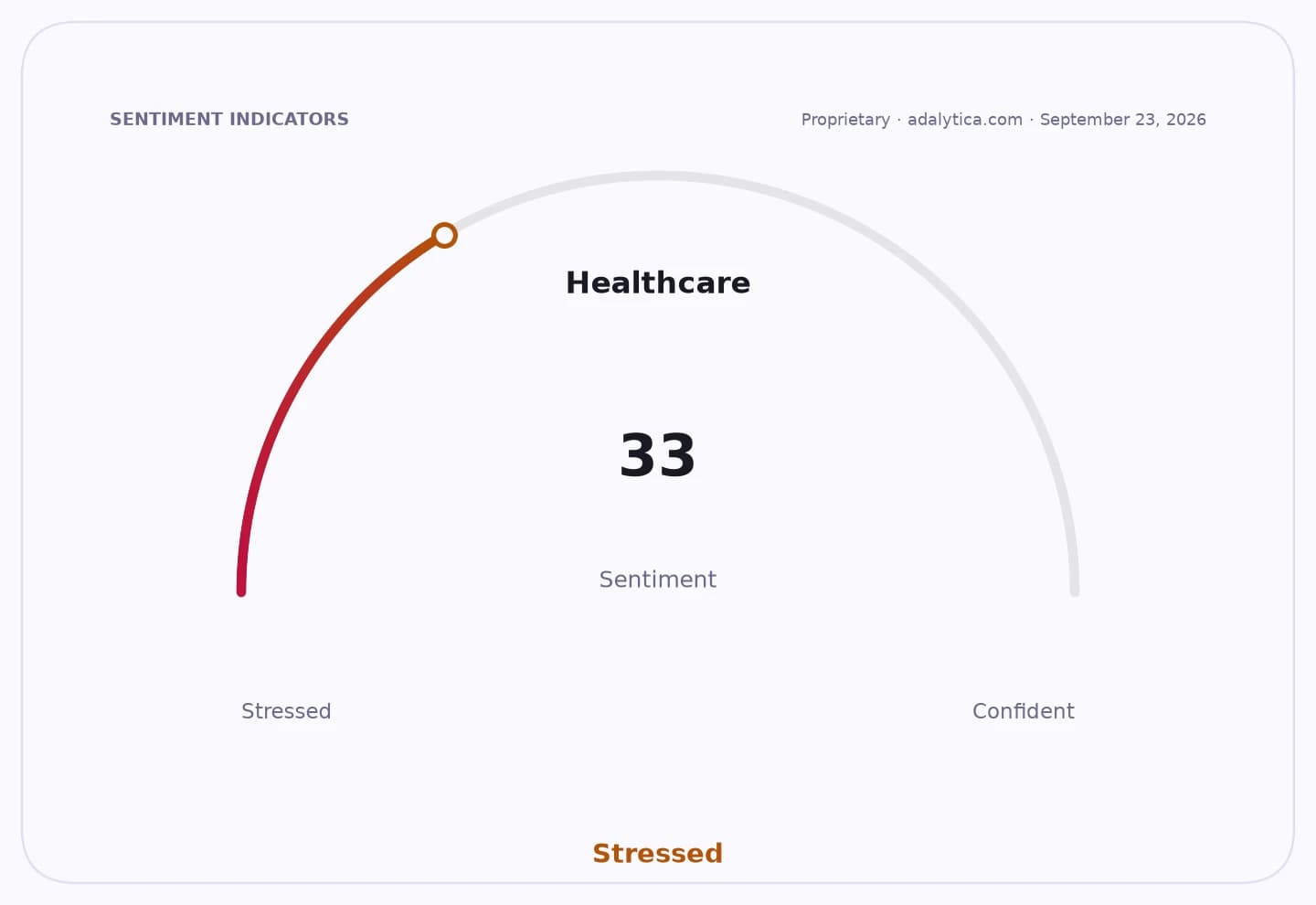
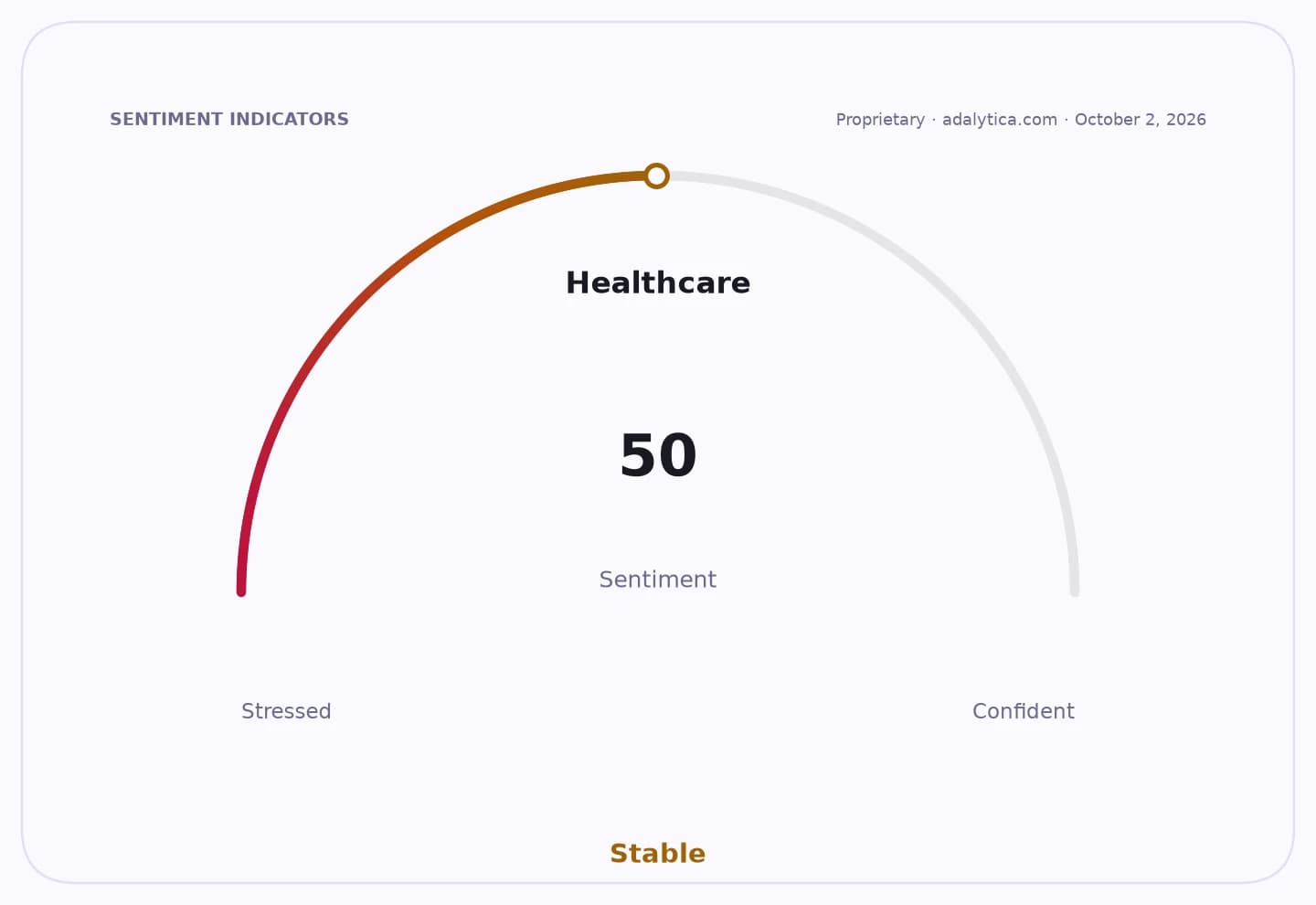
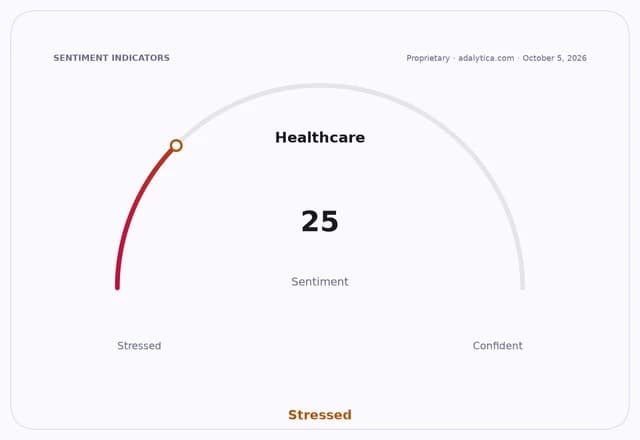
Sentiment IndicatorsⓘProprietary · adalytica.com · October 5, 2026
This is a snapshot — live sentiment, awareness and momentum for 130+ markets update continuously in the dashboard.Open AlphaPulse

For investors, the deal is less about immediate earnings and more about strategic control of a high-growth niche with barriers to entry. GE HealthCare said SOFIE could continue to grow in the low-double-digit percentage range inside the group, while the company gains a stronger position in a segment management says includes around 20 PET tracers and more than 30 radiotherapeutics in development. That kind of pipeline exposure offers optionality if the broader adoption of radiopharmaceutical imaging and treatment accelerates.
The target’s most valuable asset may be FAPI-74, a tracer already in phase III trials for imaging several cancers. GE HealthCare already holds rights outside the U.S., so the transaction gives it a way to consolidate control in its home market and potentially monetize a molecule that could become clinically and commercially important. Keeping SOFIE as an independent contract manufacturer for existing customers also suggests GE HealthCare wants scale without immediately disrupting the business or alienating non-affiliated clients.
The transaction also fits a wider pattern in healthcare, where large-cap medtech and diagnostics companies are using acquisitions to build out specialized capabilities that would be slower and riskier to develop internally. With the deal due to close in the first half of 2027, pending approvals, investors will be watching whether GE HealthCare can translate the purchase price into durable revenue growth and margin expansion, or whether integration and capital intensity dilute the payoff.
GE HealthCare shares were little changed after the announcement, which suggests the market sees the move as strategically logical but still early-stage in financial terms. The broader test will be whether radiopharma becomes a meaningful profit pool for the company before competitors such as Medtronic and Stryker can make similar moves in adjacent diagnostics and procedure markets.
| Entity | Gains | Losses |
|---|---|---|
| GE HealthCare | ▲Broader radiopharma footprint | ▼Cash outlay, integration risk |
| SOFIE Biosciences | ▲Backing from a larger buyer | ▼Loss of independence |
| U.S. hospitals and patients | ▲Better tracer supply | ▼Possible near-term transition risk |
| Competitors | ▲Sector validation | ▼Tougher race for capacity |