President Donald Trump’s most-favored-nation pricing push has produced a politically potent and economically meaningful break in U.S. drug pricing, forcing Eli Lilly and Novo Nordisk to slash the cost of their blockbuster obesity and diabetes treatments while expanding the federal government’s role in how those medicines are sold.
Eli Lilly, Novo Nordisk cut U.S. obesity drug prices
The agreements announced by the White House on Thursday cut the monthly TrumpRx price of Novo Nordisk’s Ozempic and Wegovy to $350 from $1,000 and $1,350, respectively, and bring Lilly’s Zepbound and its planned oral obesity drug Orforglipron to an average of $346 from $1,086. Medicare pricing for Ozempic, Wegovy, Mounjaro and Zepbound will be set at $245, with Medicare beneficiaries facing a $50 co-pay and state Medicaid programs gaining access to the medicines for the first time at the negotiated levels.
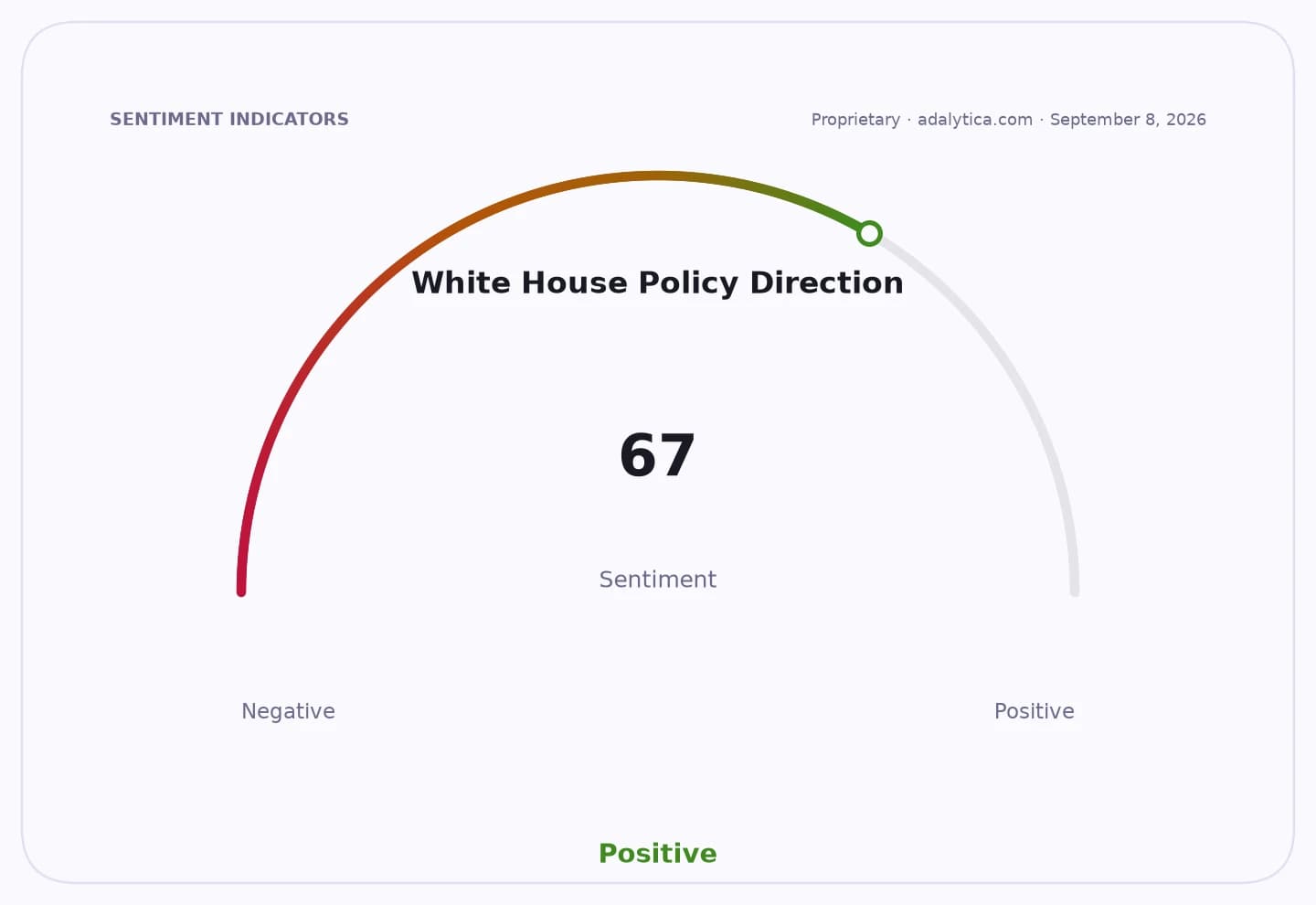
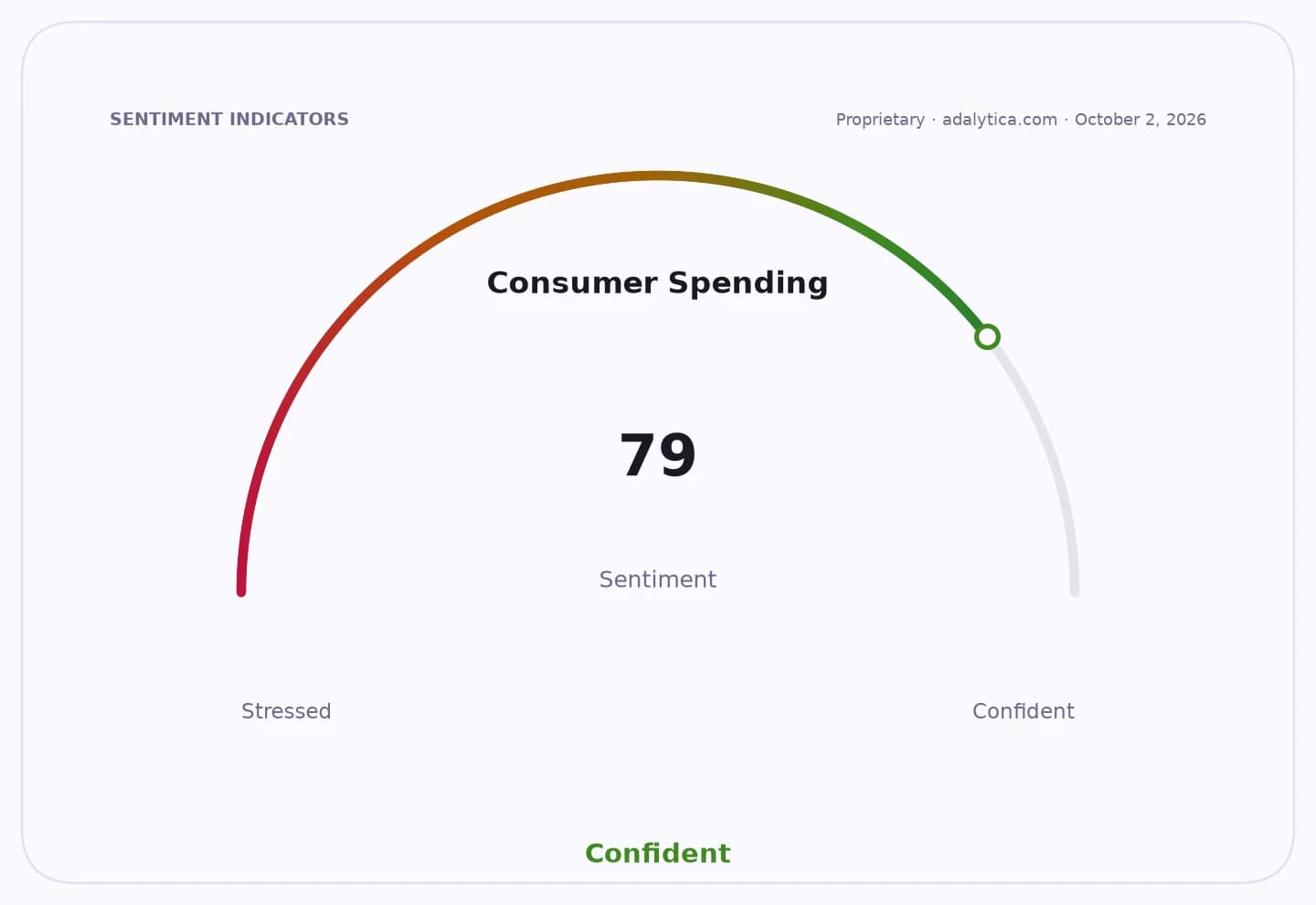
Sentiment IndicatorsⓘProprietary · adalytica.com · October 4, 2026
This is a snapshot — live sentiment, awareness and momentum for 130+ markets update continuously in the dashboard.Open AlphaPulse
That matters because GLP-1 drugs have become among the most important products in global pharmaceuticals, with annual U.S. spending among the highest in the system and demand still rising as obesity and diabetes treatment broadens. By forcing a lower U.S. price anchor, the administration is trying to reduce a large and visible burden on households, Medicare and Medicaid while also challenging the long-standing model in which American patients pay far more than peers in other wealthy countries.
For investors, the trade-off is immediate. Lower U.S. pricing raises questions about the margin profile of two of the sector’s most valuable franchises, but the deal also appears to lock in volume, reduce regulatory uncertainty and deepen access through public payers. Lilly said it will invest at least $27 billion more in U.S. manufacturing, while Novo committed an additional $10 billion, suggesting the companies are buying policy stability and domestic production advantages in exchange for lower list prices and broader government coverage.
The bigger narrative is that Trump’s MFN campaign is moving from threat to implementation. The White House said the companies will extend MFN pricing to future drugs and repatriate increased revenue from foreign sales of existing products, a sign the administration is trying not just to lower current prices but to rewrite global reference-pricing economics in favor of the U.S. market. That is a direct challenge to a system in which the U.S., with less than 5% of the world’s population, generates roughly 75% of pharmaceutical profits, according to the White House.
The market backdrop amplifies the significance. Broad equities remain near record highs, with the S&P 500 still trading above its 50-day moving average and its 200-day trend, but the sector is vulnerable to any policy that compresses expected cash flows. The dollar has also weakened sharply in recent weeks, while Treasury curve data point to a still-subdued growth and inflation mix, making healthcare pricing a more isolated political lever than a macro one. For pharma, however, this is not background noise: it is direct pricing power being exchanged for access and certainty.
The bull case is that the deal expands patient adoption, supports Medicaid and Medicare reimbursement, and gives Lilly and Novo a clearer path to scale manufacturing and oral formulations in the U.S. The bear case is that MFN pricing spreads beyond these two companies and becomes a template for future negotiations, cutting into the sector’s premium valuation and forcing investors to rethink peak sales assumptions for high-margin chronic-disease drugs.
For now, the message to investors is that Washington is no longer talking about drug pricing in the abstract. It is setting prices, defining coverage and linking market access to domestic investment — a combination that could reset the economics of the obesity drug boom and the broader U.S. pharmaceutical model.
| Entity | Gains | Losses |
|---|---|---|
| Trump administration | ▲Political win on drug costs | ▼Higher policy risk for pharma |
| Eli Lilly & Novo Nordisk | ▲Broader access, manufacturing certainty | ▼Lower U.S. pricing power |
| Medicare & Medicaid patients | ▲Lower out-of-pocket costs | ▼— |
| Pharma investors | ▲Clarity on coverage and volume | ▼Margin compression risk |