Vietnam’s healthcare spending is forecast to reach $34.1 billion by 2028, but the bigger story is that the country still relies heavily on imported medical equipment, finished drugs and active ingredients, leaving a fast-growing market constrained by weak domestic supply and patchy technology adoption.
Vietnam healthcare spending rises as imports stay high
That mismatch matters economically because healthcare is becoming a larger consumer market just as Vietnam tries to build more resilient local supply chains. When a sector of this size depends on foreign equipment, pharmaceuticals and inputs, more of the value chain leaks overseas through imports, shipping and intermediary costs instead of staying in-country as manufacturing margin, logistics revenue and skilled jobs.
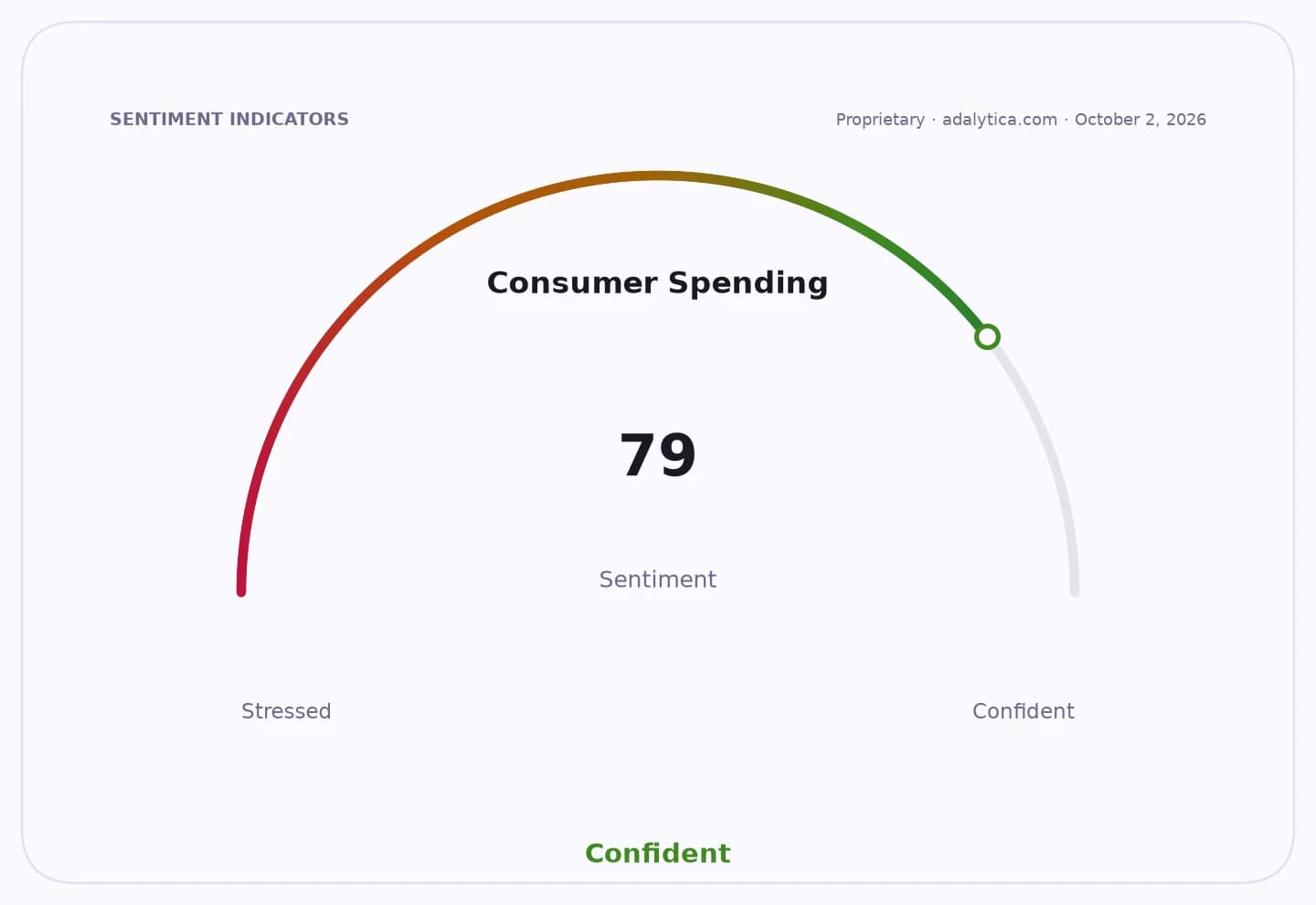
Sentiment IndicatorsⓘProprietary · adalytica.com · October 2, 2026
This is a snapshot — live sentiment, awareness and momentum for 130+ markets update continuously in the dashboard.Open AlphaPulse
It also matters for investors because the spending growth opens a route for suppliers that can solve the bottlenecks — from diagnostics and patient monitoring to software, hospital systems and distribution. Companies with networked platforms and interoperability tools are likely to benefit if hospitals and insurers push harder on digital records, connected devices and procurement efficiency.
The opportunity is especially clear in preventive care and chronic disease management, areas where government priorities are widening. Vietnam Social Insurance has tightened rules on violations and investment management for social, unemployment and health insurance funds, while the health ministry is pushing periodic checkups and screening for 16.5 million seniors, all of which points to more formalized demand for services, data systems and compliance infrastructure.
At the same time, recent cancer-screening initiatives and broader efforts to expand access underscore how much room there is for scale-up. But without better tech deployment and stronger links between public insurers, hospitals and suppliers, the system may struggle to convert higher spending into better care outcomes and lower import dependence.
For investors, that makes Vietnam a market where growth is real but execution risk remains high: the winners are likely to be companies that can localize supply, digitize workflows and connect fragmented providers, while import-reliant players and slow-moving operators face margin pressure and weaker pricing power.
| Entity | Gains | Losses |
|---|---|---|
| Local medtech and health IT vendors | ▲New demand from digitization | ▼Competition from imports |
| Foreign device and drug suppliers | ▲Near-term sales growth | ▼Localization push |
| Vietnamese hospitals and insurers | ▲Better efficiency potential | ▼Higher integration costs |
| Patients and public funds | ▲Wider access over time | ▼Continued cost leakages |