Healthcare stocks outperformed in a weak market Tuesday, underscoring why investors keep treating the sector as a defensive anchor when rates, growth and risk appetite all move the wrong way at once.
Healthcare Stocks Outperform as XLV Holds Up
The healthcare sleeve of the market held up even as the broader S&P 500 slipped, with the XLV healthcare ETF finishing at $170.73 after trading as high as $171.54, while the SPY benchmark closed at $764.20. That divergence matters because it says capital is still rotating toward earnings visibility and away from cyclical exposure as Treasury yields stay elevated, the 10-year note hovers around 5.18% and the dollar remains under pressure.
Sentiment IndicatorsⓘProprietary · adalytica.com · September 30, 2026
This is a snapshot — live sentiment, awareness and momentum for 130+ markets update continuously in the dashboard.Open AlphaPulse
The move is not just about hiding in defensives. It is also about a sector that still has multiple idiosyncratic catalysts investors can pay for, even in a risk-off tape. Grail got a favorable vote from a Food and Drug Administration advisory panel on premarket approval for its Galleri multi-cancer early detection test, a step that could unlock a meaningful new screening market if the FDA ultimately signs off in the coming months. For a company built on the promise of catching cancer earlier, a final approval would be more than a regulatory milestone — it would be a commercial inflection point for the broader diagnostics and life-sciences ecosystem.
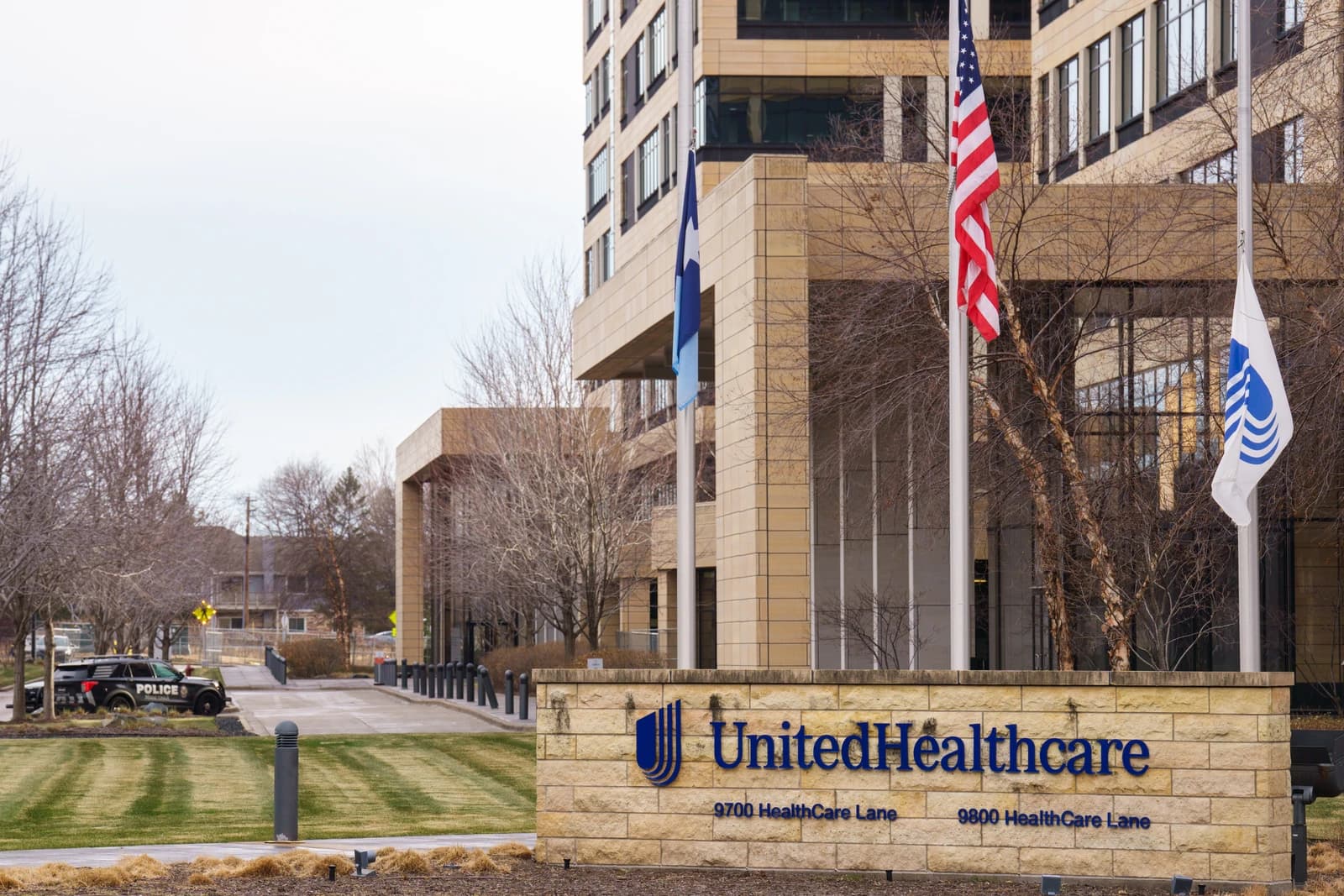
That is why healthcare remains one of the most attractive places to hide and still have upside. Unlike many corners of the market that depend on multiple expansion, healthcare is tethered to structural demand: aging populations, rising medical technology spend, and persistent drug and insurance utilization. UnitedHealth’s latest filing reiterated that overall health-care spending is expected to keep growing, while big pharmaceutical groups continue to navigate pricing pressure and reimbursement negotiations that favor companies with scale, pipelines and pricing power.
There is also a valuation story here. The healthcare ETF has lagged the broad market this year despite the sector’s defensive profile, which means investors are not paying peak multiples for a basket that can benefit from lower economic beta, higher utilization and a steady stream of product and regulatory catalysts. The recent pullback and rebound around the 50-day moving average in XLV suggests buyers are still defending the group, and the 200-day trend remains intact. That combination — defensive relative performance, policy optionality and company-specific upside — is exactly what tends to work when the macro backdrop turns less forgiving.
For investors, the message is straightforward: this is not a trade to chase the market’s weakest link, but a place to own resilience with upside. The best setup still favors healthcare leaders, diagnostic innovators and tools-and-devices names that can compound regardless of whether the next macro move is a growth scare, a rates shock or another rotation out of expensive risk assets.
| Entity | Gains | Losses |
|---|---|---|
| Healthcare stocks / XLV | ▲Defensive inflows, relative outperformance | ▼Broad-market sellers |
| Grail | ▲Approval optionality, commercial catalyst | ▼Regulatory uncertainty |
| SPY / broader equities | ▲None | ▼Risk-off rotation |
| Investors in cyclicals | ▲None | ▼Lower appetite for growth and beta |