Pharmaceutical companies are lobbying the Trump administration to preserve their business ties with China, as a tougher U.S. trade and pricing backdrop raises the risk that cross-border drug deals get caught in the middle.
Pharma lobby seeks China deal carve-outs
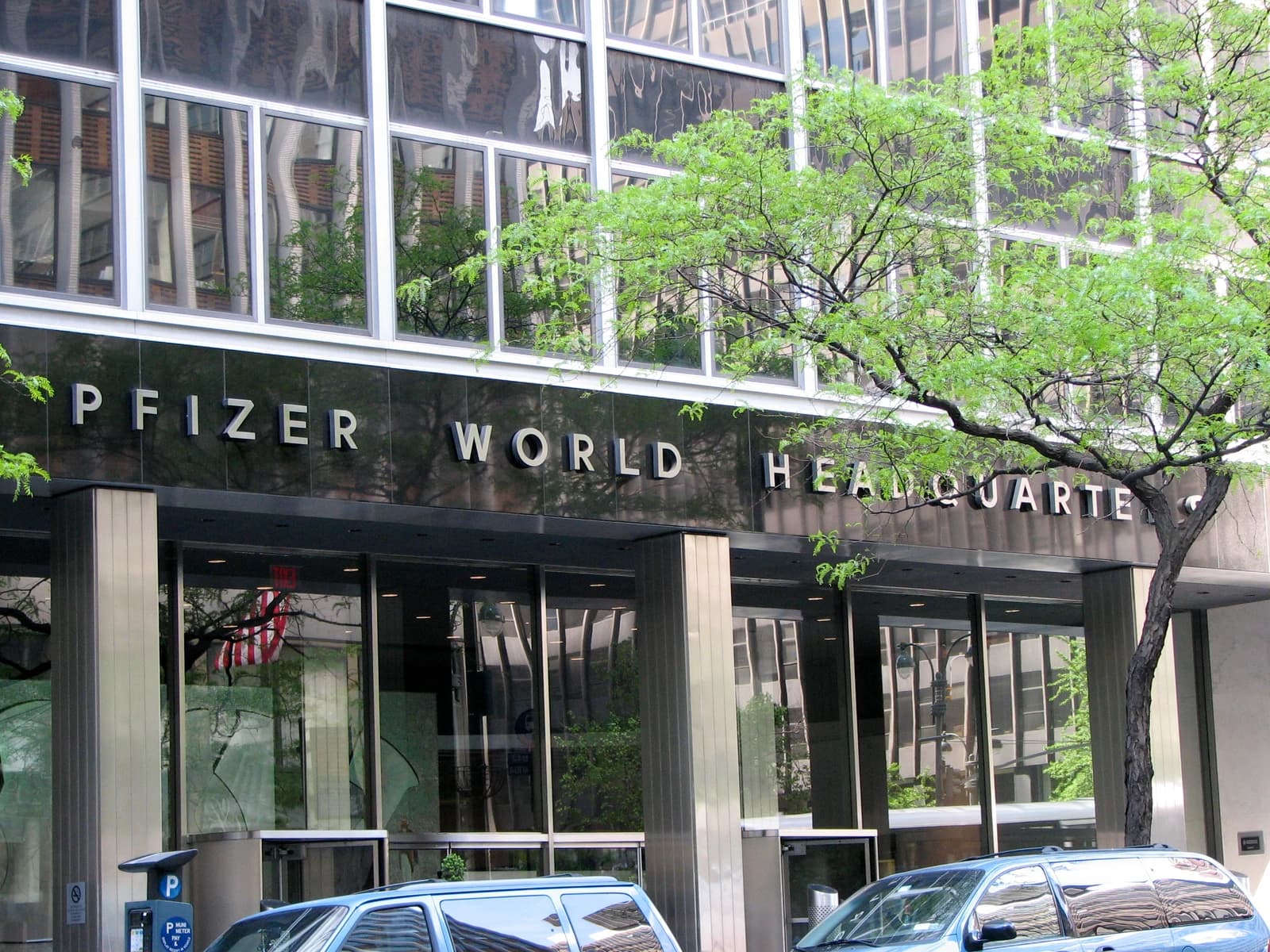
The push matters because China remains a key source of drug development, licensing income and ingredient supply for global pharma, and any disruption could ripple through margins, pipelines and future revenue growth. Companies are trying to avoid having commercial partnerships with Chinese biotech and drugmakers swept up by tariffs, national-security rules or wider efforts to reset U.S. pharmaceutical pricing.
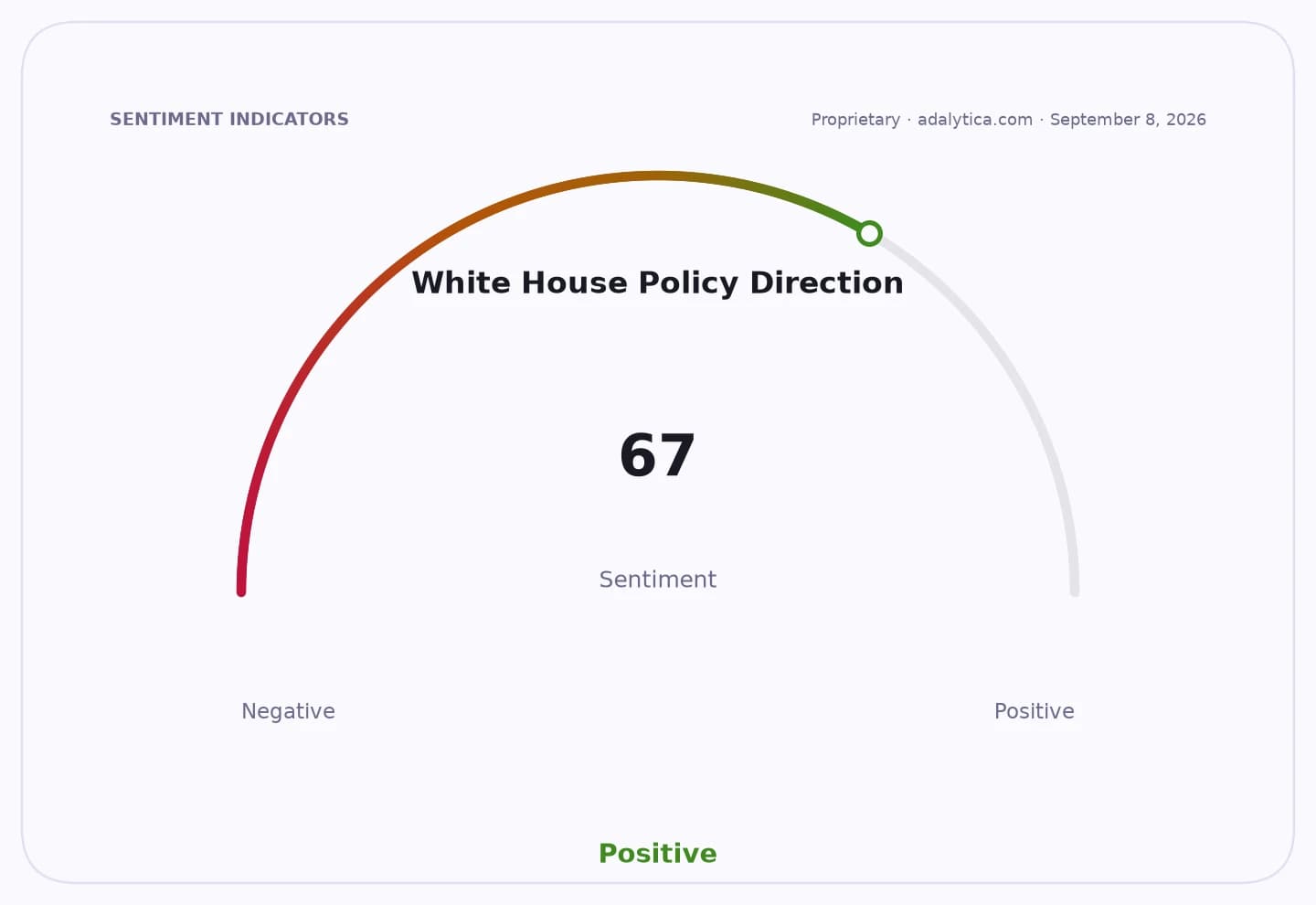
Sentiment IndicatorsⓘProprietary · adalytica.com · September 26, 2026
This is a snapshot — live sentiment, awareness and momentum for 130+ markets update continuously in the dashboard.Open AlphaPulse
The pressure campaign comes as Washington has already moved to tighten the screws on the industry. Pfizer’s latest filing said the government has announced Section 232 tariffs on imported patented pharmaceuticals and ingredients of up to 100%, while Bristol Myers Squibb disclosed it has secured tariff relief until January 2029 under a government agreement. Eli Lilly also flagged uncertainty around broader U.S. policy efforts to align domestic drug prices with international benchmarks, underscoring how policy risk is now feeding directly into corporate strategy.
Investors have already started to price in the policy overhang. The SPDR S&P Pharmaceuticals ETF, XPH, closed at $66.09 on Friday, down from a recent peak of $74.01 in August, while Pfizer rose to $28.67 and the broader biotech ETF, IBB, ended at $209.77. XPH remains above its 200-day moving average, but the selloff from August and the recent weakening in momentum suggest traders are still wary of tariff and pricing headlines.
For drugmakers, China is not just a market but a partner ecosystem. Licensing deals, research collaborations and ingredient sourcing with Chinese firms can be cheaper and faster than building everything in-house, which is why companies are pushing for carve-outs or exemptions rather than a blanket crackdown.
The next catalyst is likely to come from further Trump administration policy moves on tariffs, China-linked licensing and drug pricing, with investors watching for any signs that Washington will protect existing deals or broaden the pressure.
| Entity | Gains | Losses |
|---|---|---|
| U.S. drugmakers with China deals | ▲Trade and deal continuity | ▼Tariff and policy disruption |
| Trump administration | ▲Leverage over pricing and supply chains | ▼Industry backlash if rules tighten |
| Chinese biotech partners | ▲Continued licensing revenue | ▼Lost access to U.S. counterparties |
| Pharma ETF holders | ▲Relief if exemptions expand | ▼Downside if tariffs spread |