UnitedHealth is telling investors its long-term growth story is intact even after a volatile year, leaning on stronger commercial retention, AI-driven efficiency gains and a sharp reduction in prior authorization requests to support earnings momentum into 2027.
UnitedHealth cites AI, fewer prior authorizations
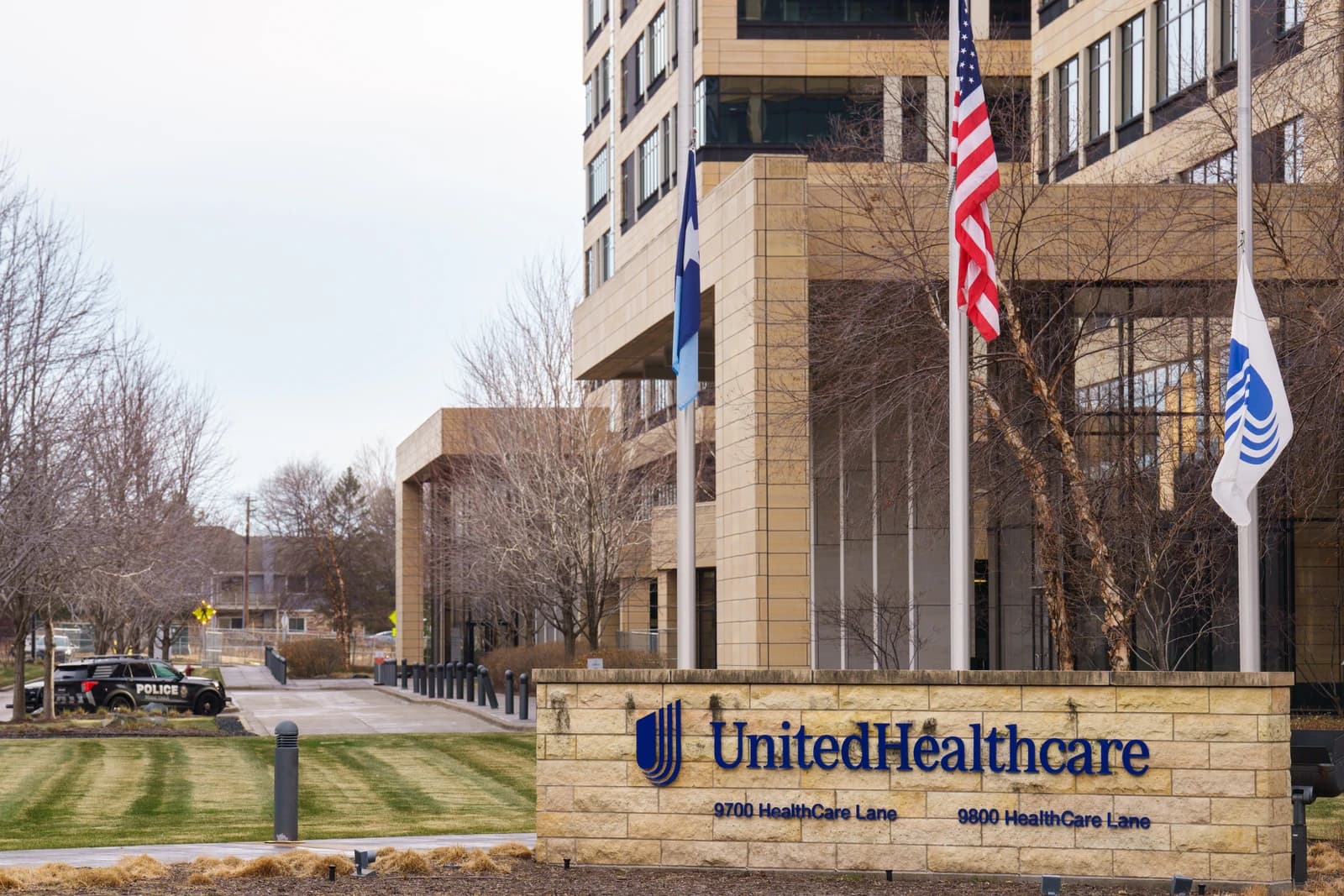
That matters because the company’s main investor debate is no longer just about top-line growth, but whether operational reforms can protect margins and cash flow as medical costs and utilization stay under pressure. UnitedHealth’s message on its third-quarter call was that the turnaround is starting to show up in day-to-day execution, not just in long-range targets.
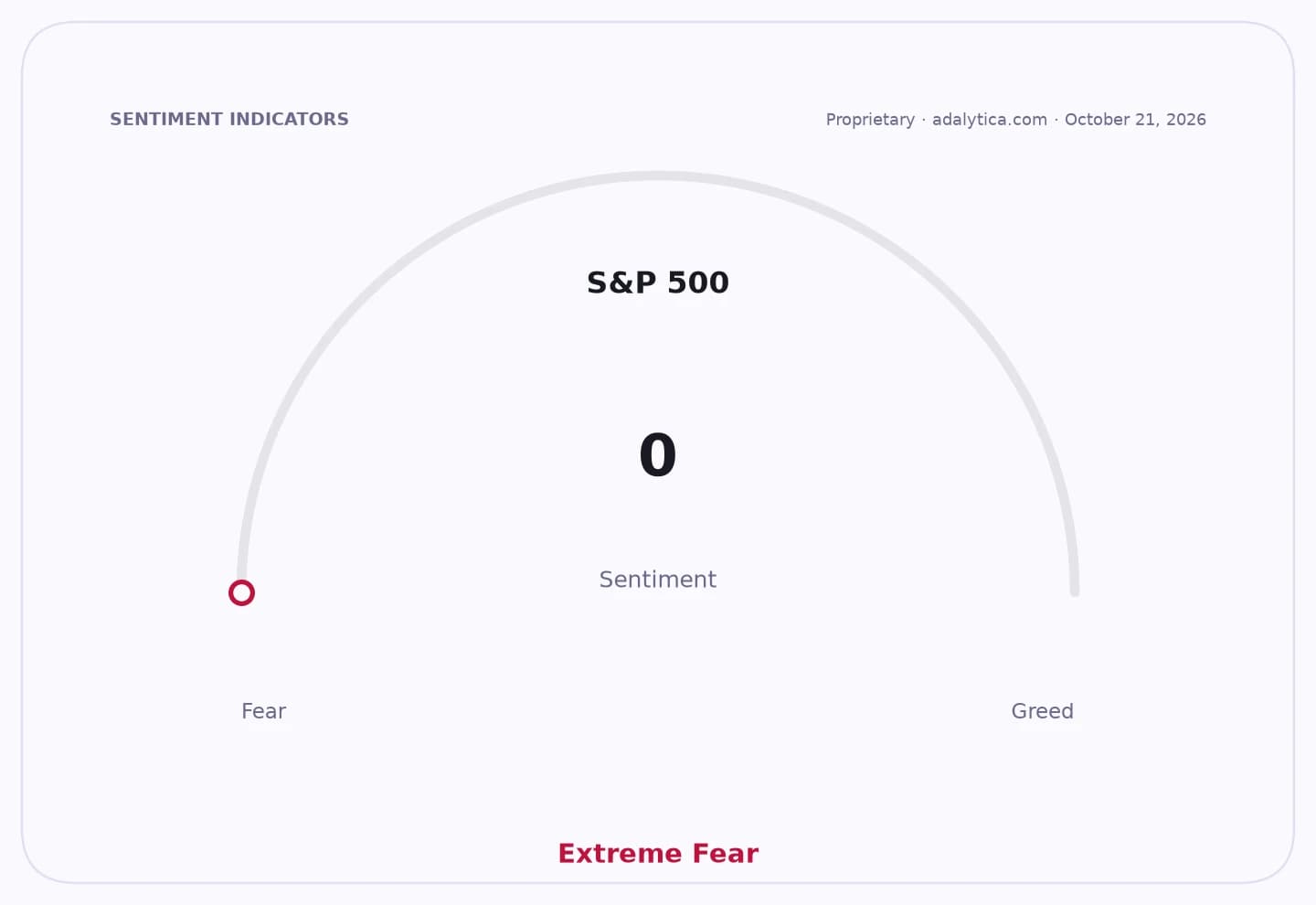
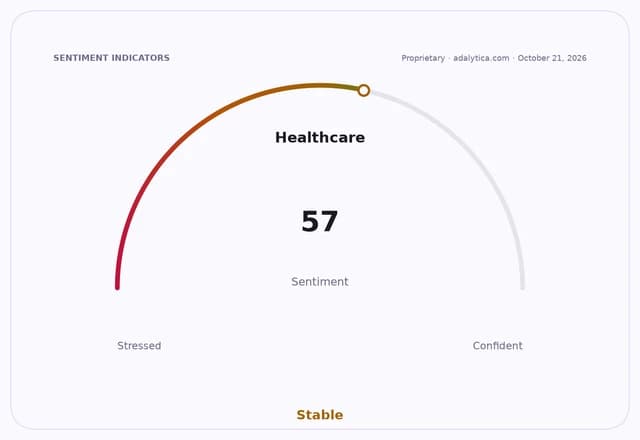
Sentiment IndicatorsⓘProprietary · adalytica.com · October 21, 2026
This is a snapshot — live sentiment, awareness and momentum for 130+ markets update continuously in the dashboard.Open AlphaPulse
The health insurer and services company reiterated its goal of 13% to 16% long-term growth and said modernization efforts are gaining traction across its insurance and care-delivery businesses. Chief Executive Steve Hemsley said AI tools are helping clinicians spend more time with patients, speeding service and reducing administrative friction, while also cutting overhead.
One of the clearest operational levers is prior authorization. UnitedHealth said it will reduce total prior authorizations by 30%, including a two-thirds cut for people under 18, a move that should lower administrative costs and reduce one of the most visible frictions in managed care. For investors, fewer approvals usually means a cleaner operating model, but also a test of whether easier access to care can be balanced against medical-cost control.
The company also said commercial persistency remains “very strong” going into 2027, with large national accounts renewing at healthy rates. That is important because stable employer-group retention makes premium revenue more predictable, which helps offset pressure from changing reimbursement rates and medical expense trends.
UnitedHealth shares have already rebounded sharply from earlier-year weakness, with the stock recently trading above $419 after falling as low as $263 in February. Technicals point to strong momentum, with the shares above both the 50-day and 200-day moving averages and the relative strength index in overbought territory, suggesting investors have started to price in a cleaner operating backdrop.
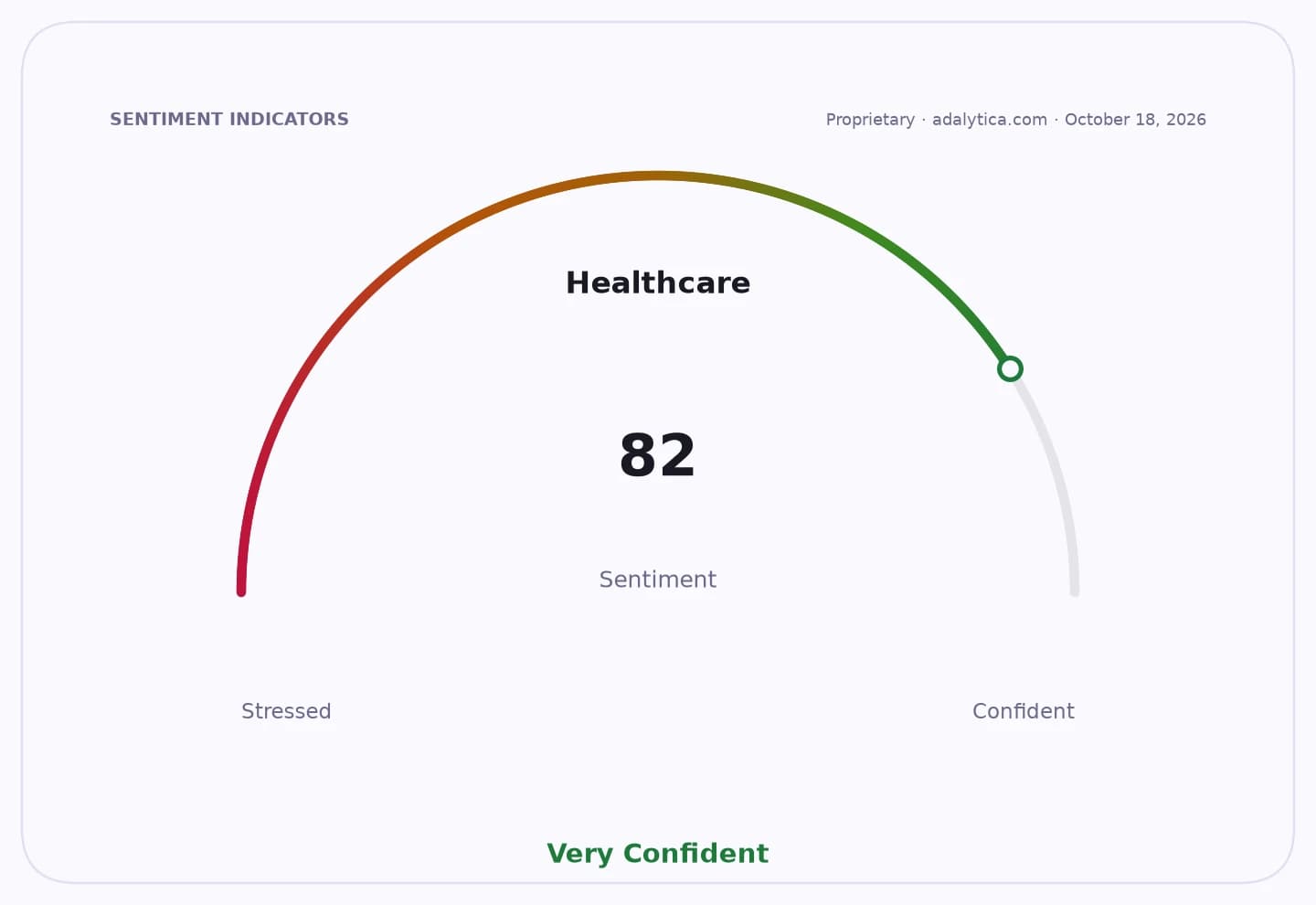
The broader managed-care backdrop is mixed. UnitedHealth’s peers, including Humana and Elevance Health, have also been working through cost and margin pressure, while healthcare spending sentiment tracked by Adalytica remains fragile despite a recent rebound. That leaves UnitedHealth with a market advantage if it can prove the reforms are durable and not just a one-quarter improvement.
For long-term investors, the key question is whether the company can translate automation, simplified care management and sticky employer relationships into sustained margin expansion without sacrificing growth. The next test comes in 2027, when retention, medical-cost trends and the pace of operational savings should show whether UnitedHealth’s modernization push is becoming a real earnings engine.
| Entity | Gains | Losses |
|---|---|---|
| UnitedHealth | ▲Better margins, steadier revenue | ▼Less room for execution slips |
| Commercial clients | ▲Lower admin friction | ▼Less negotiating leverage |
| Investors | ▲More predictable earnings | ▼Repricing risk if costs reaccelerate |
| Humana, Elevance and peers | ▲Sector validation if reforms work | ▼Relative underperformance if UNH executes better |