UnitedHealth Group is becoming more than a stock-market story: it is now a political and cultural flashpoint, and that matters because the insurer’s scale makes it a bellwether for U.S. health-care pricing, margins and reform risk.
UnitedHealth Falls on Backlash and Policy Risk
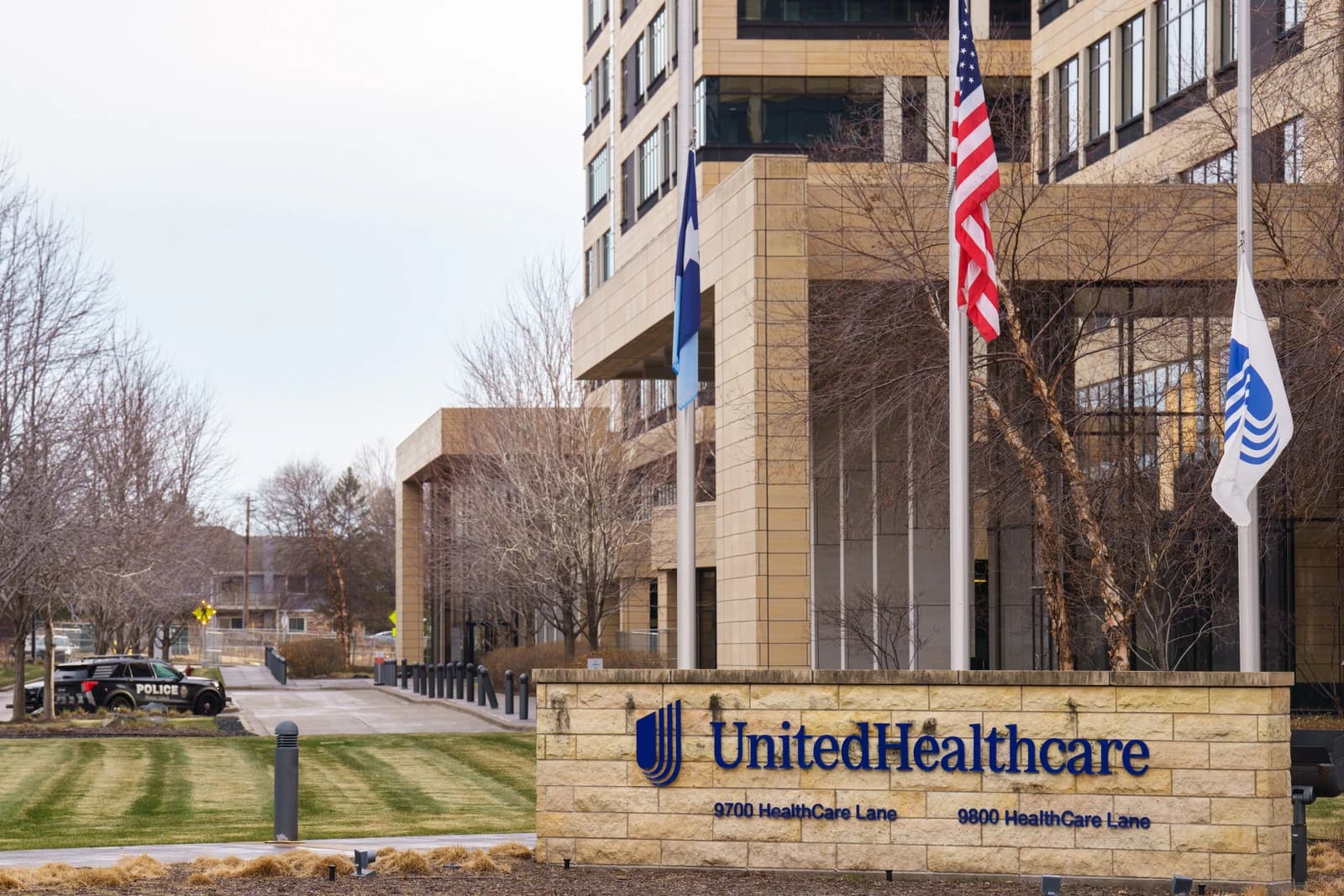
John Oliver’s full-episode takedown of the company on Last Week Tonight is not a fundamental catalyst on its own, but it underscores a more serious problem for UnitedHealth: the public conversation around health insurance is turning sharply against the industry’s most dominant player at a time when investors are already re-rating managed-care names on margin pressure, regulation and utilization trends. For a company whose size gives it unusual leverage over hospitals, doctors and patients, reputational damage can quickly become policy risk.
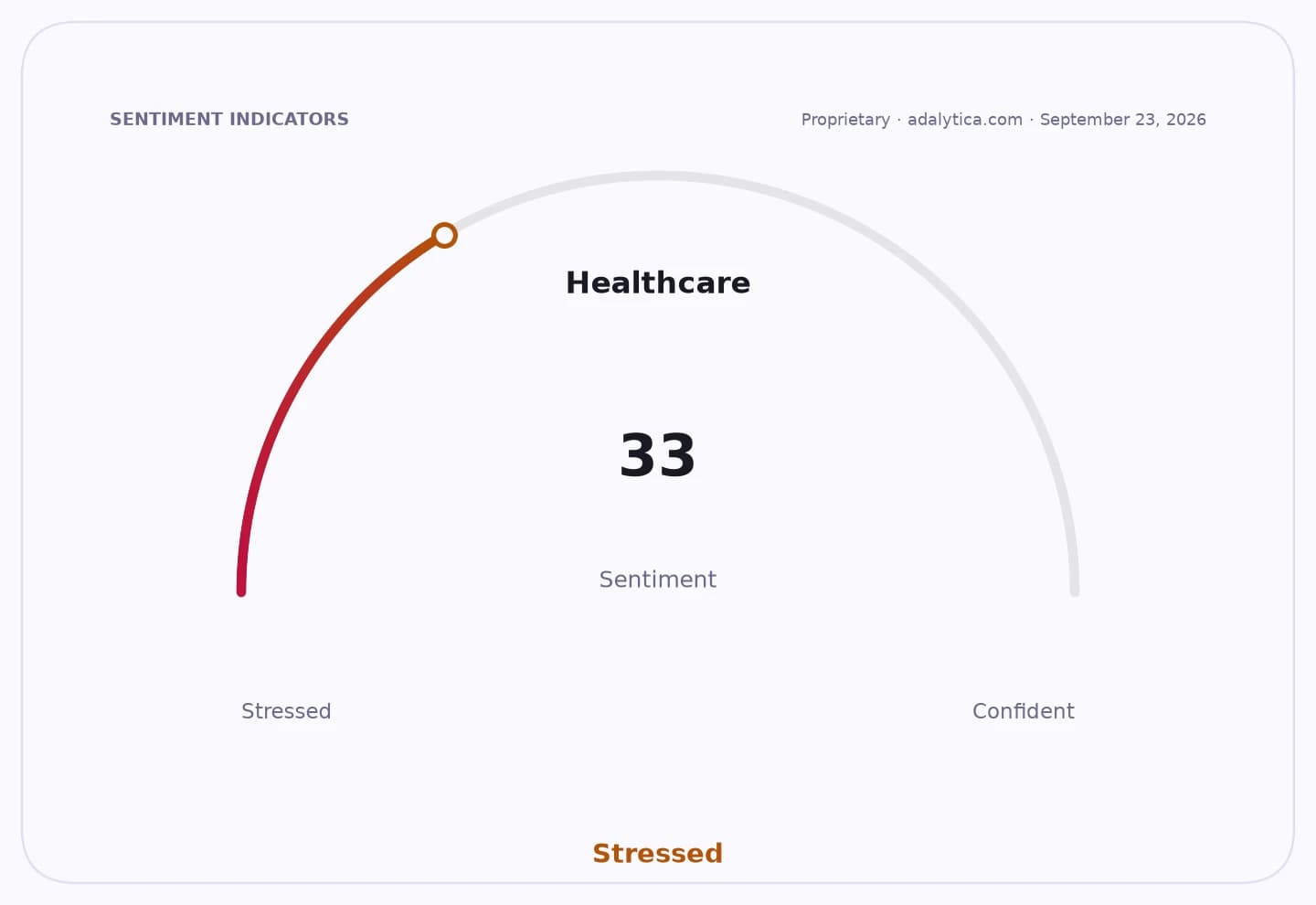
Sentiment IndicatorsⓘProprietary · adalytica.com · September 25, 2026
This is a snapshot — live sentiment, awareness and momentum for 130+ markets update continuously in the dashboard.Open AlphaPulse
UnitedHealth shares have already absorbed a meaningful reset. The stock closed at $373.87 on Sept. 25, down from $429.04 in early July, and sits below its 50-day moving average of $397.34, with a relative strength index of 30.7, a level that typically indicates technically stretched conditions. The recent slide follows a violent earlier year, when the stock briefly sank to $263.34 in February before recovering into the summer. That pattern suggests investors are no longer valuing the company purely on earnings durability; they are weighing whether the business model can keep delivering the same pricing power and cost discipline in a more hostile environment.
That matters because UnitedHealth is not just another insurer. It sits at the center of the U.S. health-care financing chain, with insurance, care delivery and pharmacy services that allow it to influence how medical spending is allocated. Critics argue that concentration gives the company too much control over claims decisions and access to care. Supporters counter that its scale helps it negotiate lower costs and manage complex populations more efficiently than smaller peers. The Oliver segment feeds the first narrative and makes it politically easier for regulators to press on prior authorization, billing practices and medical-loss discipline.
The broader managed-care group is also moving in ways that investors will not ignore. Elevance Health closed at $402.75 on Sept. 25, above its 50-day moving average of $395.52, while Cigna ended at $269.31, near its own 50-day average of $279.18 and just below its 200-day line. The relative divergence shows the sector is not moving in lockstep; stock selection increasingly depends on how exposed each company is to government business, utilization trends and regulatory scrutiny. UnitedHealth, as the industry heavyweight, has more to lose if the debate shifts from isolated complaints to structural reform.
Sentiment data tracked by Adalytica.com points to the same tension. Its Healthcare Spending Sentiment gauge shows “Greed” at 81, while awareness remains at an “Extreme Fear” reading of 4, suggesting investors and consumers are still engaged with the sector but highly wary of the fallout from policy or public backlash. That combination is often what precedes sharper scrutiny: a profitable industry, a frustrated public and a political opening.
For investors, the immediate question is whether the stock’s selloff reflects temporary headline risk or a more durable shift in the operating backdrop. The bull case is that UnitedHealth’s scale, diversified earnings and cash generation remain intact, and any reputational blowback will prove cyclical rather than structural. The bear case is that the company’s dominance is precisely what makes it vulnerable if lawmakers, regulators and employers decide the health-care middleman has gone too far.
The next catalysts are less about comedy segments than governance, reimbursement and political rhetoric. If the public mood hardens into policy action, UnitedHealth could face a longer de-rating even if earnings hold up. If not, the latest backlash may fade into the usual noise around a business that has long prospered despite being deeply unpopular.
| Entity | Gains | Losses |
|---|---|---|
| UnitedHealth critics | ▲Broader audience | ▼Reputational control |
| UnitedHealth Group | ▲Long-term if backlash fades | ▼Near-term sentiment |
| Managed-care peers | ▲Relative comparison gains | ▼Sector-wide scrutiny |
| Patients and regulators | ▲Political leverage | ▼Little in the short term |