Michigan school districts are turning to direct primary care to cut employee health costs, and that shift points to a bigger investing truth: the health sector is increasingly being measured not just by premiums and reimbursement, but by how much patients actually pay out of pocket for routine care.
Michigan Schools Use Direct Primary Care
That matters because out-of-pocket spending is the pressure point that determines whether consumers delay visits, whether employers keep absorbing higher benefit costs, and whether insurers, hospital chains and care delivery platforms can keep pricing power intact. In other words, the share of medical examination costs borne directly by households is becoming a better KPI for sector stress than headline utilization alone.
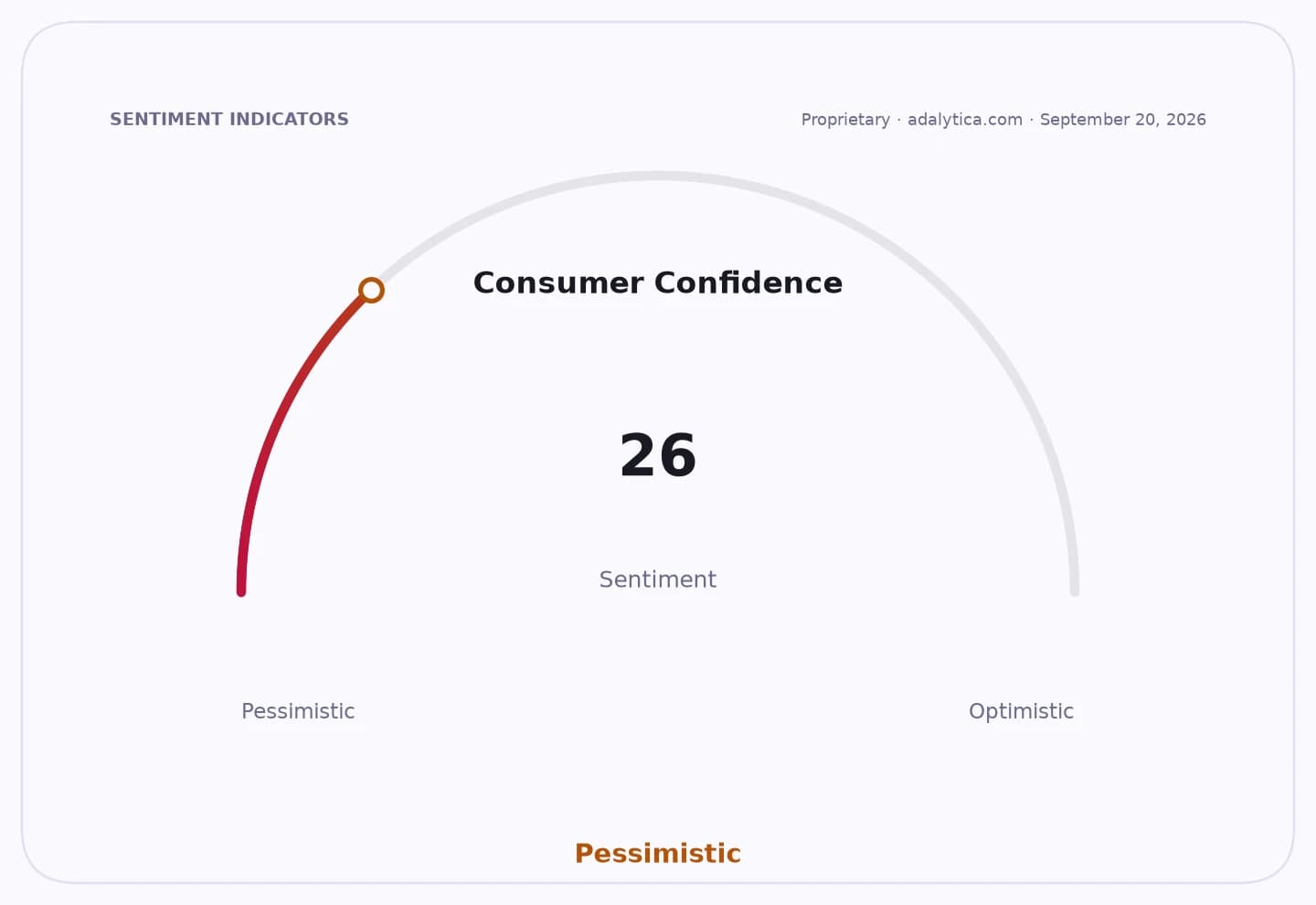
Sentiment IndicatorsⓘProprietary · adalytica.com · September 20, 2026
This is a snapshot — live sentiment, awareness and momentum for 130+ markets update continuously in the dashboard.Open AlphaPulse
The Michigan model, in which school systems partner with Plum Health DPC, strips out insurance intermediaries for primary care and aims to reduce both wait times and expenses. It is a small-scale example of a larger reconfiguration already visible across the health care landscape: employers, public institutions and payers are looking for lower-friction care models as medical inflation keeps squeezing budgets.
That macro pressure is showing up in the stocks. The Health Care Select Sector SPDR ETF, XLV, has rebounded sharply from an April low near 148 to 168.39, but its technical backdrop has weakened from the overheated levels seen this summer. UnitedHealth Group, meanwhile, has been battered and remains far below its 2026 peak after a violent drawdown, even as it stabilizes around 376.9. HCA Healthcare is still trading near 427.71, well below its June highs. The message for investors is that the market is still sorting winners and losers in a system where affordability is the new battleground.
The takeaway is straightforward: the companies best positioned for the next phase of health care investing are not necessarily the biggest providers, but the ones that can lower the consumer’s direct bill while preserving margins through scale, coordination and care redesign. That creates an asymmetric opportunity in value-based care, primary-care disruptors, benefit managers with pricing discipline, and operators that can deliver care outside the most expensive settings.
Watch this closely. If out-of-pocket medical exam costs keep rising, adoption of direct primary care and similar models should accelerate, putting fresh pressure on legacy intermediaries and rewarding the firms that can prove they lower the patient’s share of the bill. For investors, that makes affordability not just a policy theme, but a stock-selection framework.
| Entity | Gains | Losses |
|---|---|---|
| Direct primary care models | ▲Higher adoption | ▼Intermediary fees |
| Employers and school districts | ▲Lower benefit costs | ▼Premium inflation |
| XLV / diversified health funds | ▲Sector rotation opportunity | ▼Broad cost pressure |
| Legacy insurers and hospital systems | ▲Efficiency leaders only | ▼Pricing power at risk |