Mexico’s private health insurance market is getting more expensive fast, with some policyholders seeing renewals rise 24% year over year and other insurers hiking rates by as much as 80% as claims, hospital pricing and tax changes squeeze the sector.
Mexico private health insurance premiums rise sharply
That matters because health coverage is becoming a larger and less predictable household expense just as Mexico’s broader inflation has cooled to 3.37%, turning private medical protection into one of the country’s sharpest cost pressures. For insurers, the squeeze is forcing higher premiums to protect margins; for customers, it is pushing more people to cut benefits, raise deductibles or leave the market altogether.
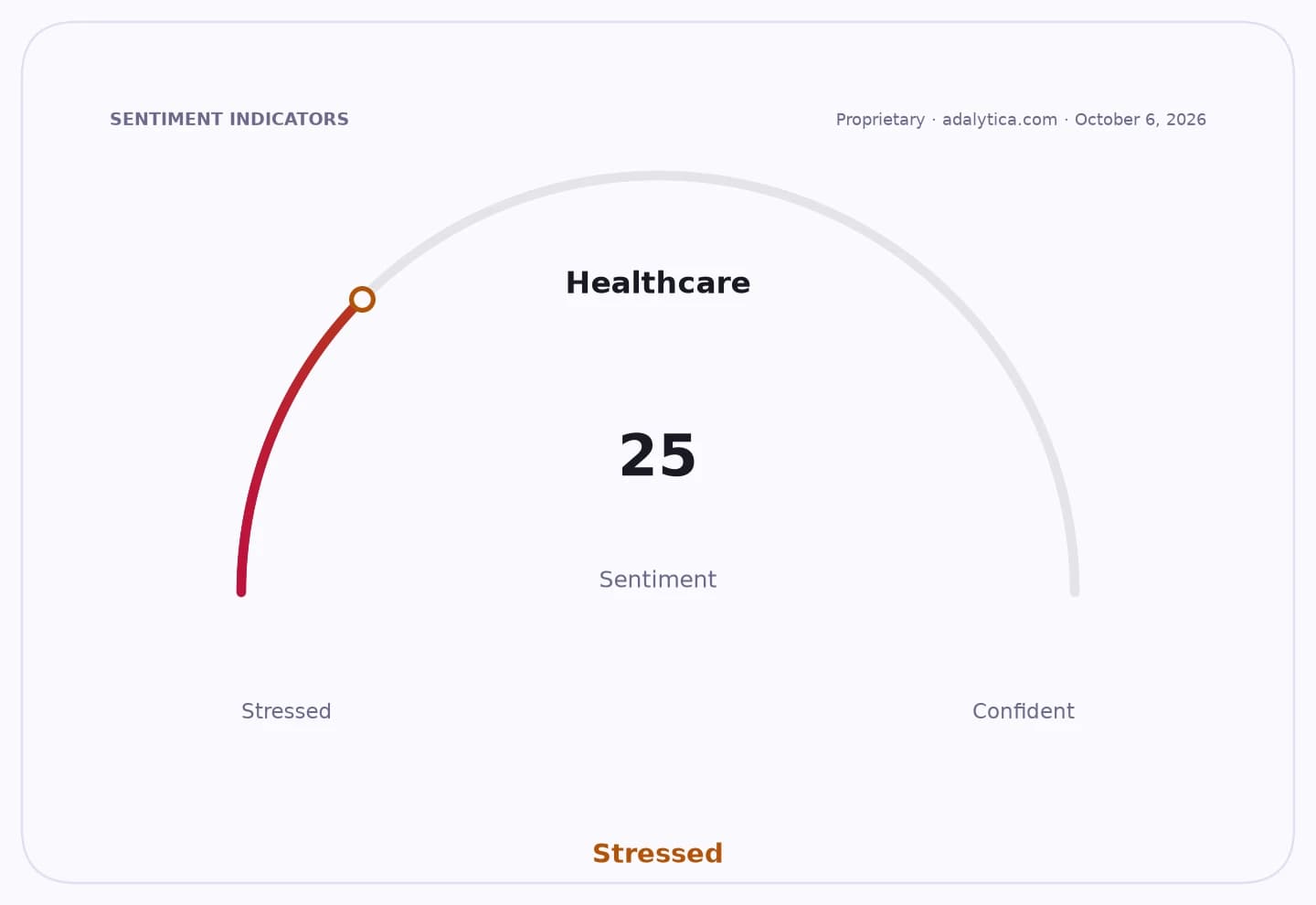
Sentiment IndicatorsⓘProprietary · adalytica.com · October 20, 2026
This is a snapshot — live sentiment, awareness and momentum for 130+ markets update continuously in the dashboard.Open AlphaPulse
The surge is being driven by a nasty combination of higher claim frequency and higher claim severity. Insurers say elective procedures delayed during the pandemic are now showing up in the system, while an older insured pool and more chronic conditions are lifting payouts. That is feeding the industry’s version of a “death spiral,” where rising premiums drive away younger, healthier clients and leave a sicker, costlier book of business behind.
Policy changes are adding to the strain. Under Mexico’s 2026 Federal Revenue Law, the tax authority stripped insurers of a credit for the 16% value-added tax paid on medical claims, effectively raising the cost of doing business and shifting more of that burden to policyholders. Residents who file taxes in Mexico can still deduct premiums, but expatriates and others outside the local tax system get no relief.
Hospital inflation is compounding the problem. Private networks are passing along higher costs for imported medical technology, diagnostics and specialty drugs, while consolidation among operators such as Grupo Angeles and Star Medica is giving hospitals more pricing power. At the same time, bottlenecks in Mexico’s public system, including IMSS, are pushing more patients into private care, increasing demand just as the sector is becoming more expensive.
The pressure is showing up in markets that touch the healthcare trade. UnitedHealth Group, Humana competitor Cigna and hospital operator HCA Healthcare have all seen their shares move sharply this year as investors focus on pricing power, utilization trends and medical-cost inflation. In Mexico, the immediate winners are insurers and hospitals able to reprice quickly; the losers are policyholders, especially older clients and U.S. residents paid in dollars, who are also absorbing a roughly 10% peso gain against the greenback over the past year.
For investors, the key question is whether premium inflation can keep outrunning medical costs without shrinking the customer base. That will depend on claims trends, hospital pricing and whether President Claudia Sheinbaum’s planned Universal Health Service in 2027 meaningfully eases pressure on the private system by redirecting demand back into public care.
| Entity | Gains | Losses |
|---|---|---|
| Mexican insurers | ▲Higher premiums | ▼Customer attrition |
| Private hospitals | ▲More pricing power | ▼Price-sensitive patients |
| Policyholders | ▲Coverage flexibility | ▼Premium shock |
| Public health system | ▲More reform urgency | ▼Continued overload |