Lithuania is set to pour a record amount into health care next year, with the biggest share earmarked for patient services, medicines and medical supplies as the government moves to widen access and raise pay across the system.
Lithuania health fund set for record 2027 spending
The Health Insurance Fund’s 2027 revenues are forecast at 4.86 billion euros, up 554 million euros from this year, after lawmakers approved a budget that is being billed as one of the largest health funding increases in recent years. The biggest spending line will remain direct health care services, which are planned at 3.41 billion euros, or about 72% of total outlays.
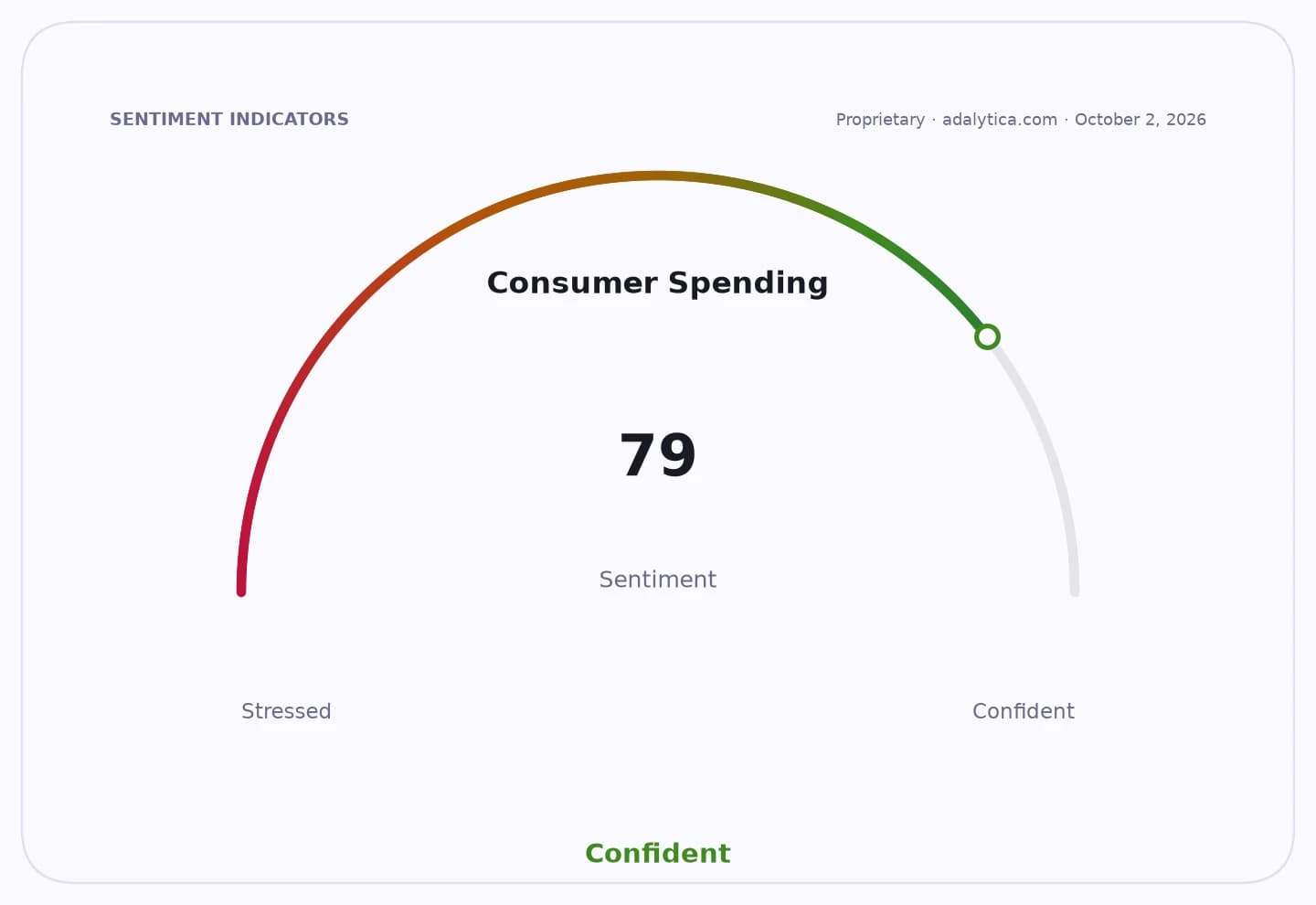
Sentiment IndicatorsⓘProprietary · adalytica.com · October 19, 2026
This is a snapshot — live sentiment, awareness and momentum for 130+ markets update continuously in the dashboard.Open AlphaPulse
That matters because the extra money is meant to do more than plug gaps. Health Minister Linas Kukuraitis said the budget will support expanded services closer to regional residents, new reimbursement for medicines and medical devices, and wage increases for doctors and other health workers. For an economy facing persistent pressure from inflation and labor shortages, the plan sends more public money into a sector where costs are structurally rising.
The fund’s main revenue source remains compulsory health insurance contributions, which will account for about 95% of income. Contributions paid by workers are expected to reach 3.24 billion euros next year, up 8.4% from 2026, while state payments for people insured by the government are projected at 1.4 billion euros, nearly 297 million euros more than this year under a new calculation method tied to average worker contributions.
Investors watching the broader health-care space will see the spending boost as supportive for hospitals, pharmacies and device suppliers that depend on reimbursement flows. More than 912 million euros is slated for drugs, medical aid products, special medical food and medical equipment rentals, including 13 million euros to add new reimbursable medicines from the reserve list and more funding for hearing implant processors.
The budget also commits 15 million euros to expand Lithuania’s e-health systems and 3 million euros to start financing the digitization and security of health data, a small but important step for a system trying to cut administrative friction and modernize care delivery. The fund’s reserve is expected to rise by 103.1 million euros to almost 873 million euros at the start of the year, giving policymakers more room to absorb shocks without interrupting payments.
The immediate test will be whether the new funding translates into shorter waits, better regional access and higher staffing levels without forcing fresh fiscal strain later. For now, the government is choosing to spend heavily to preserve the health system’s capacity, and the biggest winners are likely to be providers, drug makers and patients who have waited for broader coverage.
| Entity | Gains | Losses |
|---|---|---|
| Patients | ▲Wider access to care | ▼Longer waits if funding falls short |
| Hospitals and clinics | ▲Higher reimbursement and wages | ▼Pressure to deliver more services |
| Drug and device suppliers | ▲More reimbursable spending | ▼Less pricing flexibility |
| State budget | ▲Political capital from higher health spending | ▼Higher contribution burden |