Lithuania’s government has clarified how much pensions, teachers’ salaries and police pay will rise next year, while also updating the minimum wage as it prepares a budget that leans on higher spending and a wider deficit.
Lithuania raises pensions, wages, and minimum pay

The move matters because it turns a political promise into a concrete fiscal bill at a time when Vilnius is trying to balance social demands, defence spending and euro-zone budget rules. Higher indexed pensions and public-sector pay lift household income and support consumption, but they also harden the state’s spending base just as the government projects revenues of almost 22.2 billion euros and outlays of 27.9 billion euros, leaving a deficit that could test the Maastricht limit of 3% of GDP.
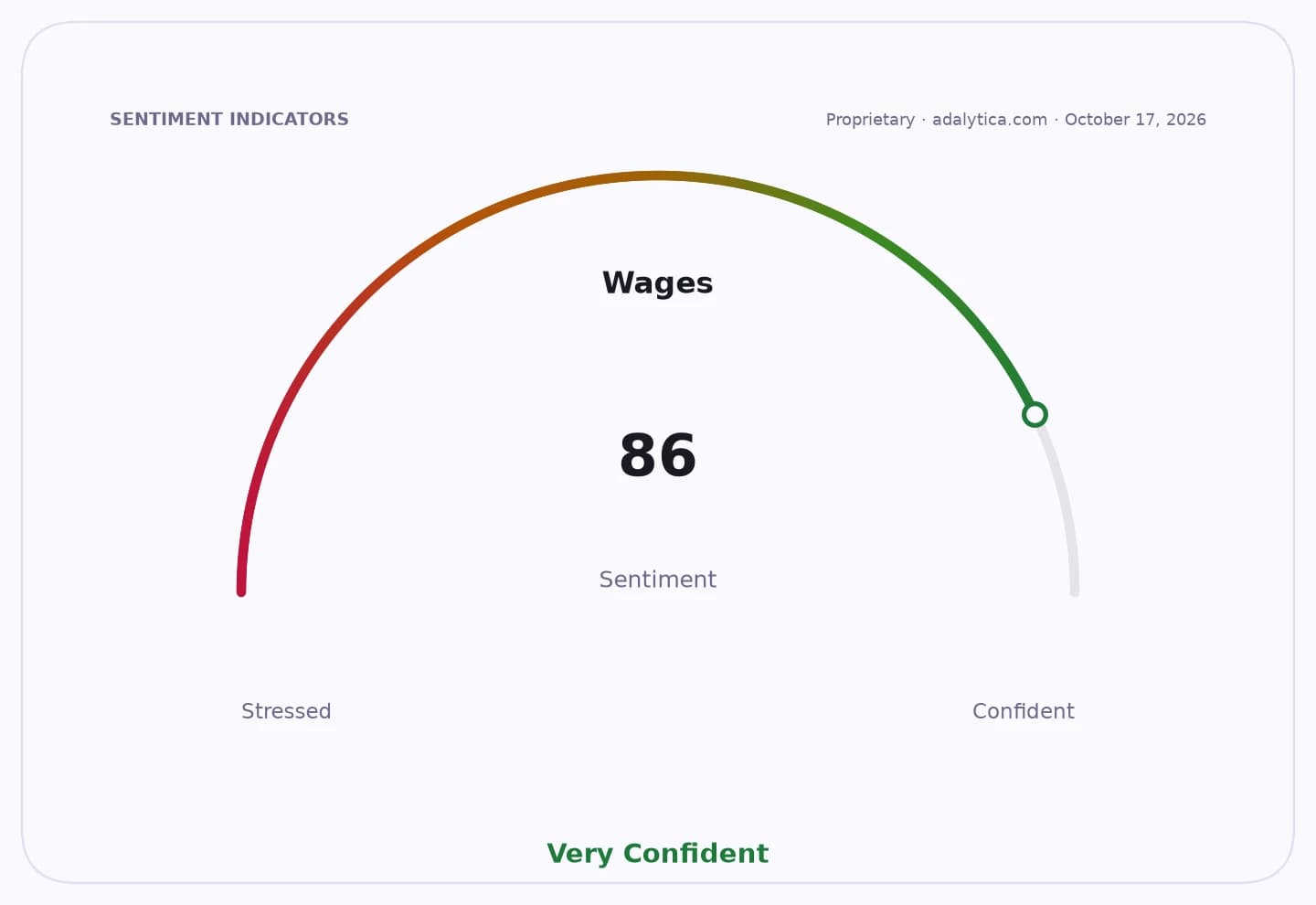
Sentiment IndicatorsⓘProprietary · adalytica.com · October 17, 2026
This is a snapshot — live sentiment, awareness and momentum for 130+ markets update continuously in the dashboard.Open AlphaPulse
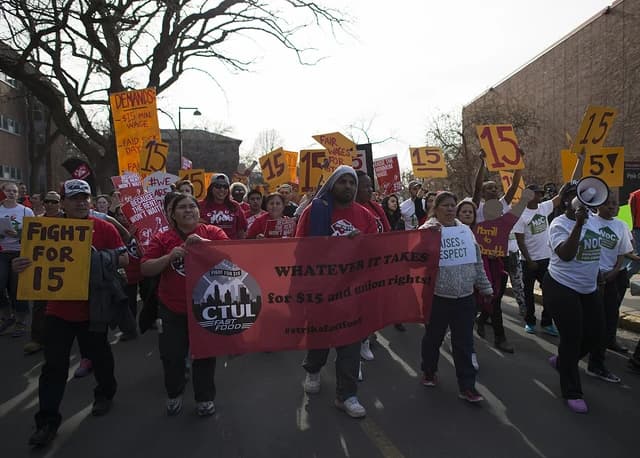
The increase in the minimum wage is part of the same arithmetic. Raising the wage floor boosts earnings for lower-paid workers and can help offset inflation, but it also raises labour costs for employers already dealing with slower growth and tighter margins. That is particularly relevant for small businesses and consumer-facing sectors, where pay packets are more likely to be passed through into prices or absorbed in lower profitability.
For investors, the immediate question is not just the size of the increases, but how they will be financed. Lithuania’s government has signalled that much of the overspend is tied to defence and to automatically indexed benefits, which means the budget is becoming less flexible even before any cyclical weakening in tax receipts. A larger structural spending base can support domestic demand and retail sales, but it also reduces room for discretionary stimulus if growth slows.
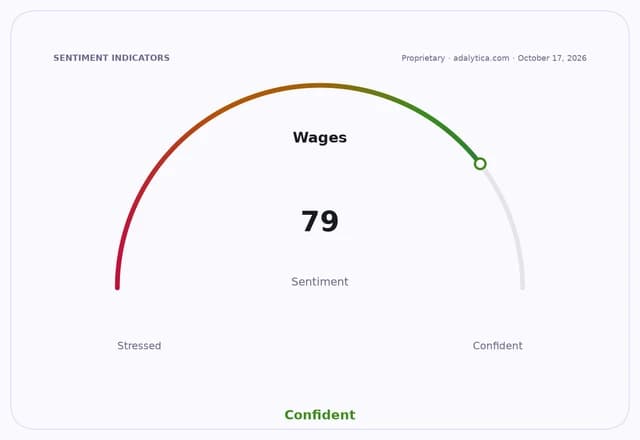
Bond markets tend to care less about the political intent than the persistence of the fiscal trend. If wage and pension commitments keep rising faster than revenues, investors may start to demand a higher risk premium, especially if Brussels sees a sustained drift above the euro-zone deficit threshold. The labour-market backdrop is not alarming — unemployment was 4.2% in September — but a firm labour market also makes wage settlements stickier and limits the scope for fiscal restraint through weaker pay growth.
There is a broader economic narrative here: Lithuania is trying to defend purchasing power and social cohesion while funding security needs in a more uncertain regional environment. The upside is stronger household spending and a cushion for domestic demand; the downside is a less disciplined budget and more pressure on the government to prove that higher pay and benefits do not feed a new round of inflation. The next test will be whether the final budget keeps the deficit near the limit or pushes it into a range that changes the market’s view of Lithuania’s fiscal profile.
| Entity | Gains | Losses |
|---|---|---|
| Pensions and public workers | ▲Higher nominal income | ▼Bigger fiscal scrutiny |
| Low-wage workers | ▲Higher minimum pay | ▼Small employers’ margins |
| Lithuanian households | ▲Stronger spending power | ▼Risk of price pass-through |
| Government bonds | ▲Near-term stability if funding holds | ▼Higher deficit premium |