Lithuania is holding back on an excess-profit tax on Orlen Lietuva because officials say the revenue gain would be modest and the diplomatic risk with Poland could be substantial.
Lithuania weighs tax on Orlen Lietuva windfall
Finance Minister Taurimas Valius told lawmakers that the idea carries “high risks” for bilateral relations and would bring “little effect,” estimating the budget impact at anywhere from zero to 46 million euros. The government is still evaluating the proposal, but the debate has already exposed a familiar policy trade-off: whether to use a windfall tax to ease fuel inflation, or preserve stable ties with a key neighbour and investor.
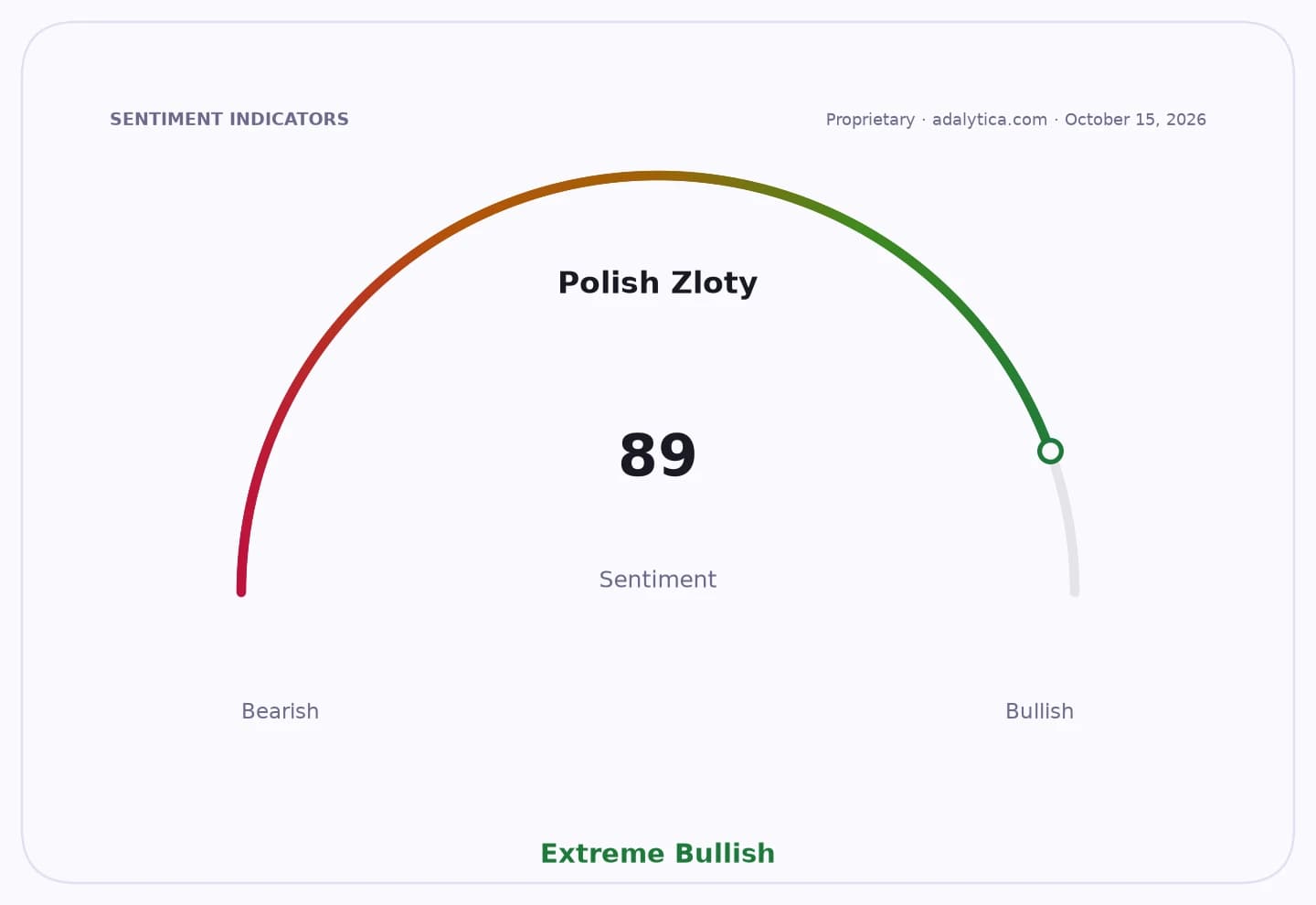
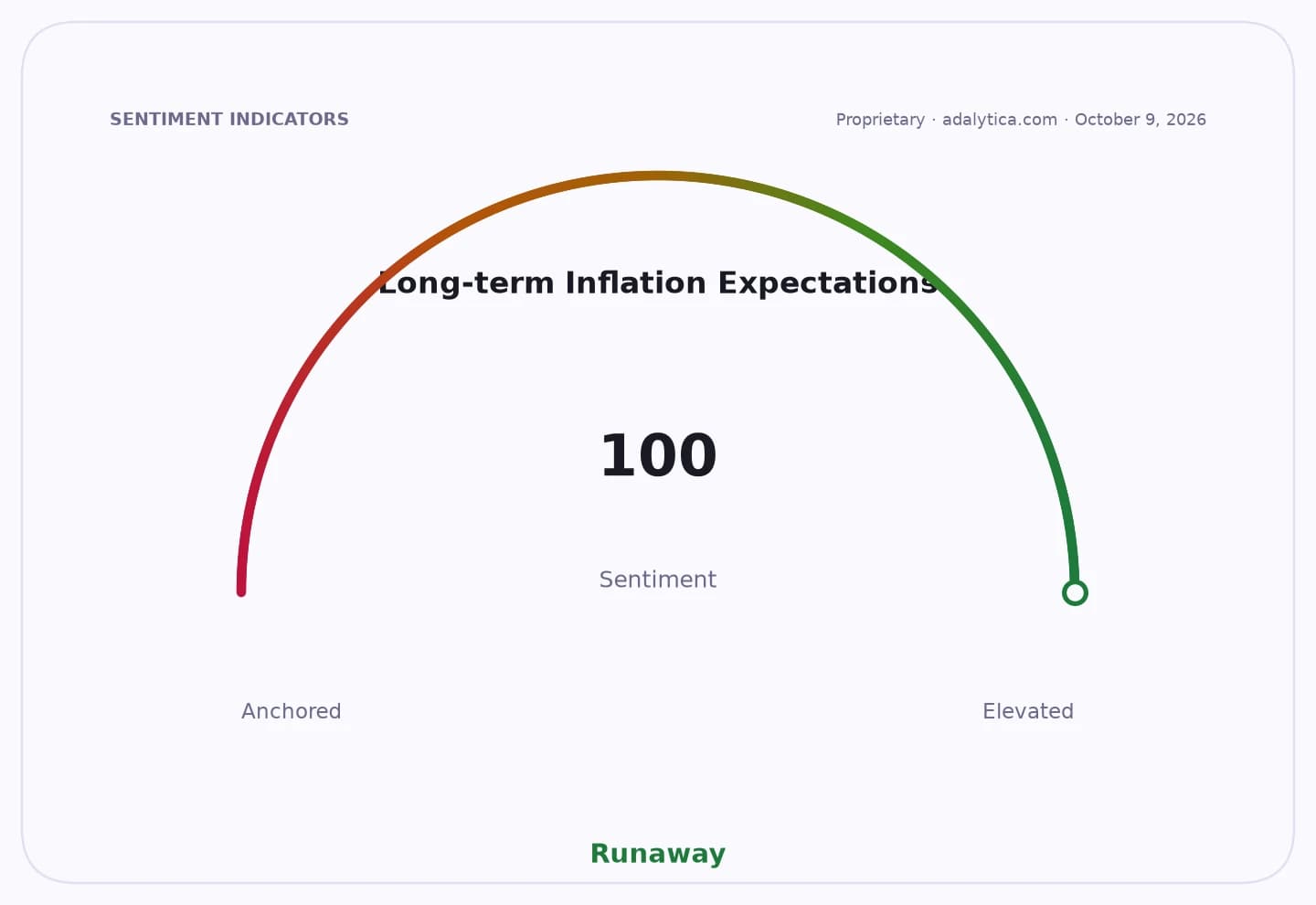
Sentiment IndicatorsⓘProprietary · adalytica.com · October 17, 2026
This is a snapshot — live sentiment, awareness and momentum for 130+ markets update continuously in the dashboard.Open AlphaPulse
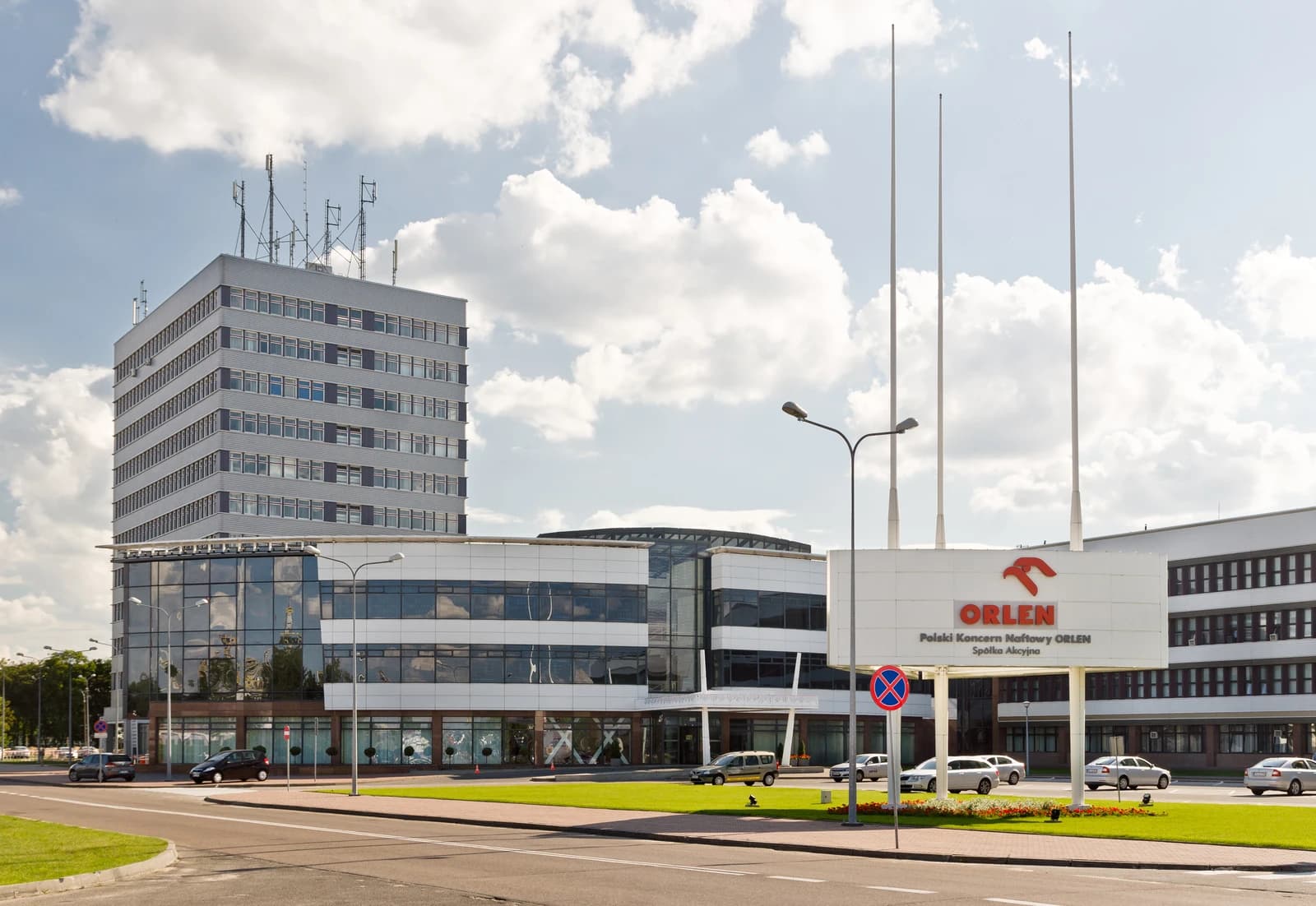
The issue matters because Orlen Lietuva operates the Mažeikiai refinery, one of Lithuania’s most strategic industrial assets, and is owned by Poland’s state-controlled Orlen. Any levy on its excess profits would land well beyond the balance sheet of one company. It could affect cross-border energy cooperation, market functioning and the credibility of Lithuania’s investment regime at a time when fuel prices remain politically sensitive.
Officials are also weighing the policy against Poland’s own example. Warsaw has already imposed a 60% tax on fuel-company profits above a standard margin, expecting to raise about 4 billion zlotys, or 940 million euros, to help fund lower pump prices. That precedent is fueling pressure in Vilnius from coalition partners who want a similar windfall levy and argue the proceeds could be used to cushion consumers.
But Lithuania’s circumstances are different, and officials say the economics are not straightforward. The finance minister said the likely proceeds range from nothing to a few dozen million euros, far below the Polish scale. Prime Minister Mindaugas Sinkevicius said talks are still at an early stage and that no political agreement has been reached. He also stressed that Orlen Lietuva is both a major employer and an asset with international significance, making the issue larger than a simple tax measure.
The strongest argument for the tax is political: it would signal that windfall profits in the fuel sector should be shared with consumers during a period of elevated energy prices. The case against it is operational and diplomatic. A levy imposed unilaterally could distort the market, complicate supply planning and risk friction with Warsaw, which has strategic and commercial interests in the refinery.
That is why the government is leaning toward caution. Former energy minister Zygimantas Vaiciunas has said any levy should be coordinated with Poland to avoid shortages or market distortions. That warning now appears central to the debate. For investors, the key question is less whether Lithuania can tax Orlen Lietuva, and more whether it wants to test the limits of a politically sensitive asset that sits at the intersection of energy security, fiscal politics and regional relations.
If the proposal advances, markets will watch for whether Vilnius follows Poland’s template or settles for a softer form of solidarity contribution. If it stalls, the signal will be that Lithuania is prioritising cross-border stability over a one-off fiscal gain.
| Entity | Gains | Losses |
|---|---|---|
| Lithuanian government | ▲Potential budget revenue | ▼Diplomatic friction risk |
| Orlen Lietuva | ▲Policy continuity | ▼Windfall tax burden |
| Polish government/Orlen | ▲Bilateral stability | ▼Precedent for regional taxes |
| Lithuanian consumers | ▲Possible fuel relief funding | ▼Uncertain price impact |