Kazakhstan has spent about 1.3 trillion tenge on free medicines over the past seven years, underscoring how state-funded drug access has become a major and expanding budget item with direct implications for public health spending and pharmaceutical procurement.
Kazakhstan free medicine spending rises on procurement cuts

The scale matters because this is no longer a marginal subsidy. More than 3 million patients receive necessary medicines each year, and annual financing for the program has risen more than threefold since 2019, to 272.9 billion tenge from 83 billion tenge. That jump suggests both broader coverage and a heavier structural burden on the state budget as the government tries to keep essential treatment affordable.
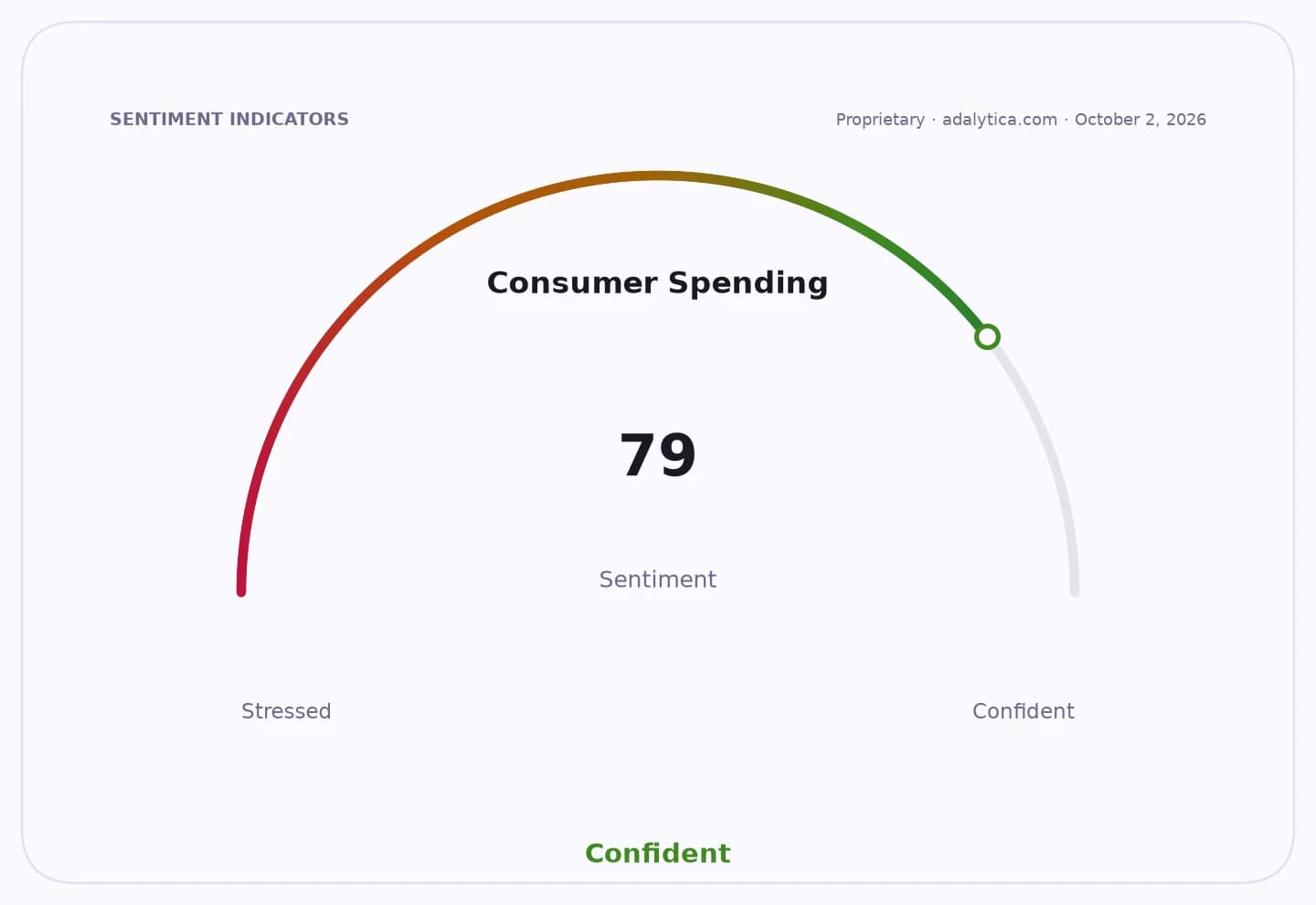
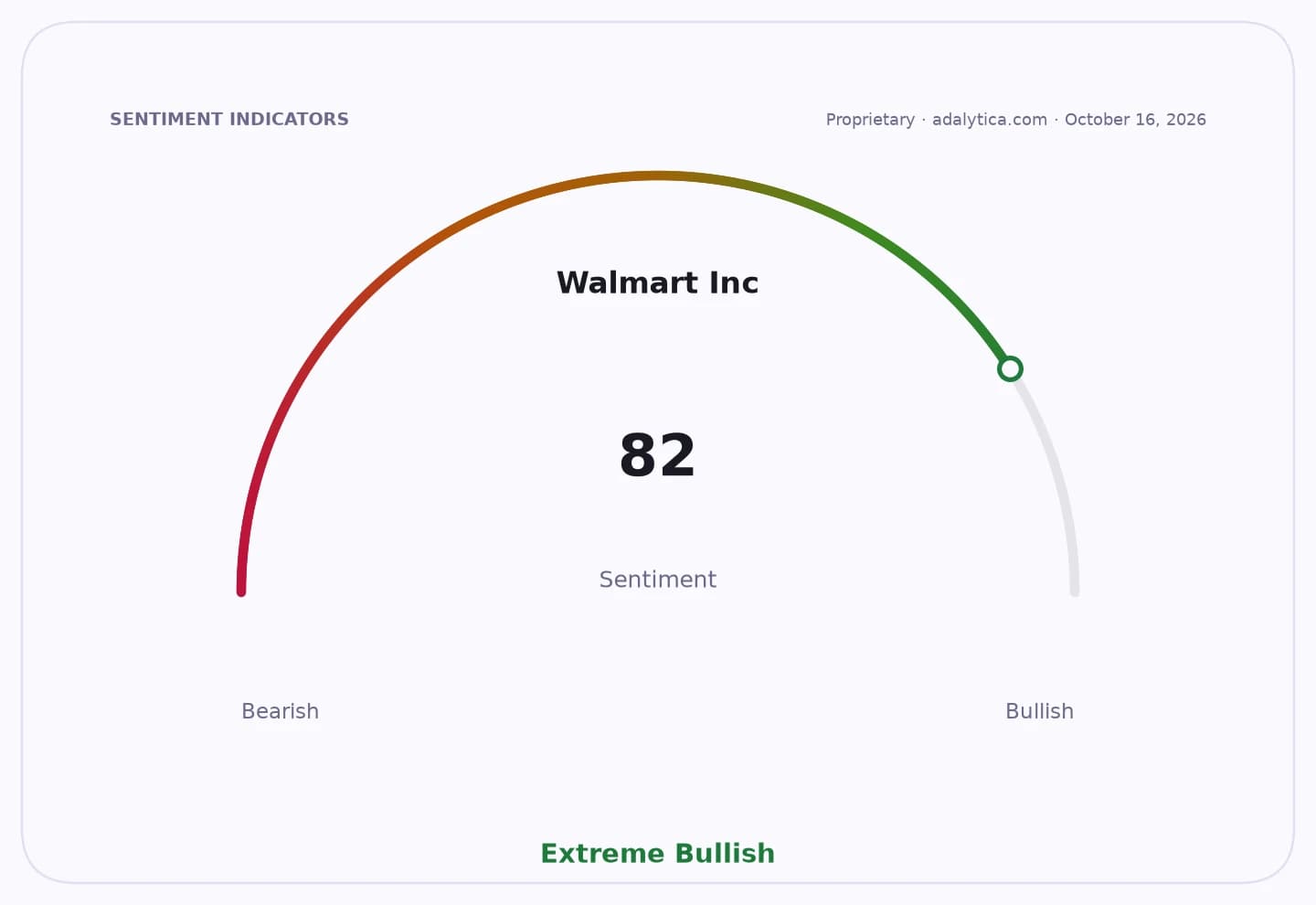
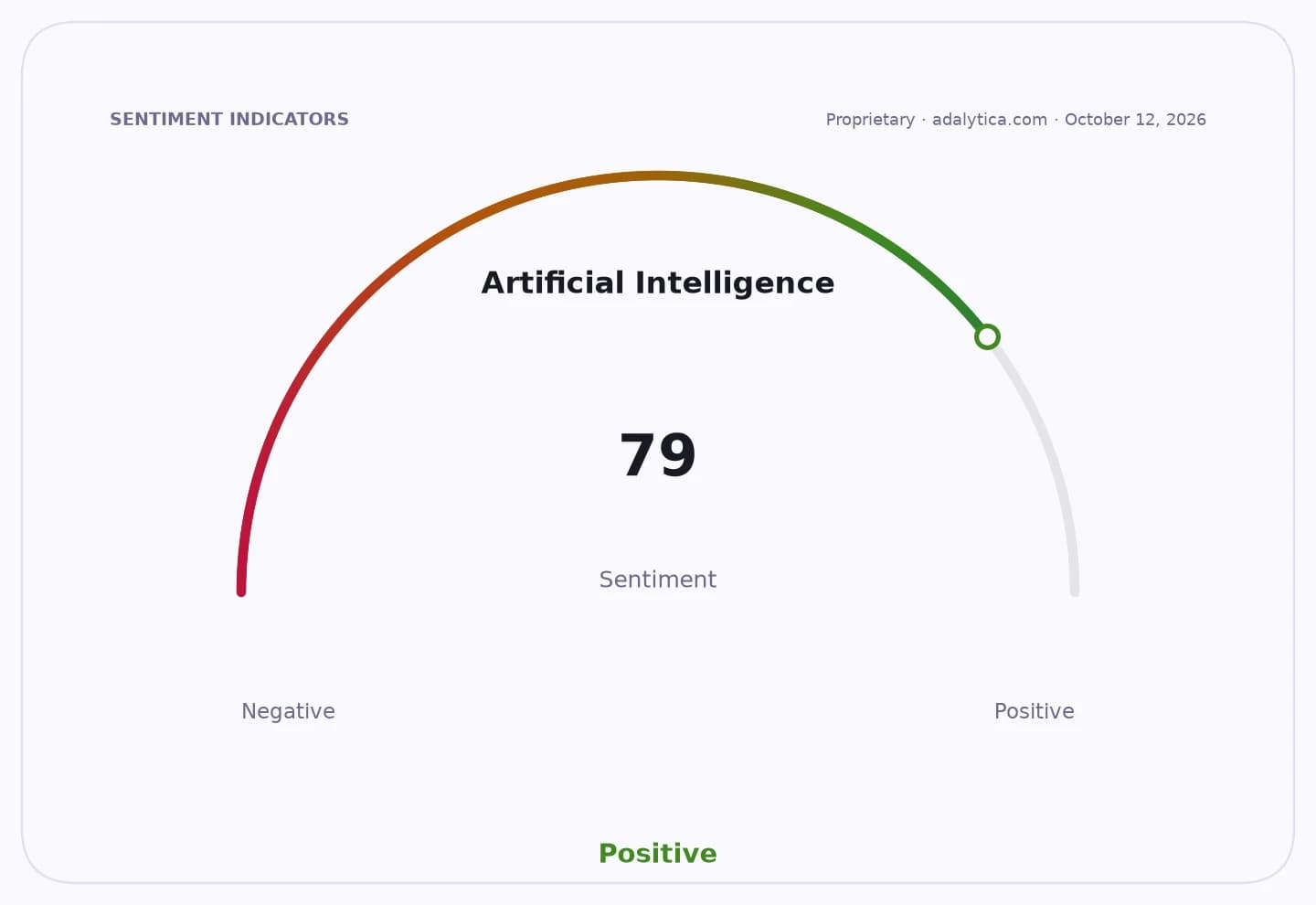
Sentiment IndicatorsⓘProprietary · adalytica.com · October 9, 2026
This is a snapshot — live sentiment, awareness and momentum for 130+ markets update continuously in the dashboard.Open AlphaPulse
For investors and suppliers, the more important signal is that Kazakhstan is tightening procurement. The health ministry said it has lowered prices on 66 domestic medicines, generating savings of 10.3 billion tenge. In a market where governments increasingly act as the dominant payer, lower procurement prices can improve access and volume while squeezing margins for manufacturers, especially in commoditized products and generics.
The policy mix points to a familiar trade-off. On one side, expanded free-drug coverage supports household consumption by reducing out-of-pocket medical costs and helps protect treatment adherence for chronic and essential therapies. On the other, it increases the state’s exposure to drug inflation, FX swings and supplier concentration, making procurement efficiency critical if the program is to remain sustainable.
For pharmaceutical companies, the program offers scale but less pricing power. Domestic producers may benefit if government purchasing favors local supply, yet the reported price reductions show that higher volumes will likely come with tighter unit economics. Multinationals and import-dependent sellers face the added risk that public purchasers will increasingly benchmark and negotiate harder as spending rises.
The broader narrative is that Kazakhstan is using its healthcare budget as both a social safety net and a cost-control tool. The next test is whether procurement reforms can keep delivering savings fast enough to offset rising demand, or whether free medicine spending keeps climbing faster than the government can contain it.
| Entity | Gains | Losses |
|---|---|---|
| Patients | ▲Lower out-of-pocket costs | ▼Less pricing flexibility |
| Kazakhstan government | ▲Broader drug access | ▼Higher budget burden |
| Domestic drugmakers | ▲Larger procurement volume | ▼Lower unit prices |
| Import suppliers | ▲Stable public demand | ▼Margin pressure |