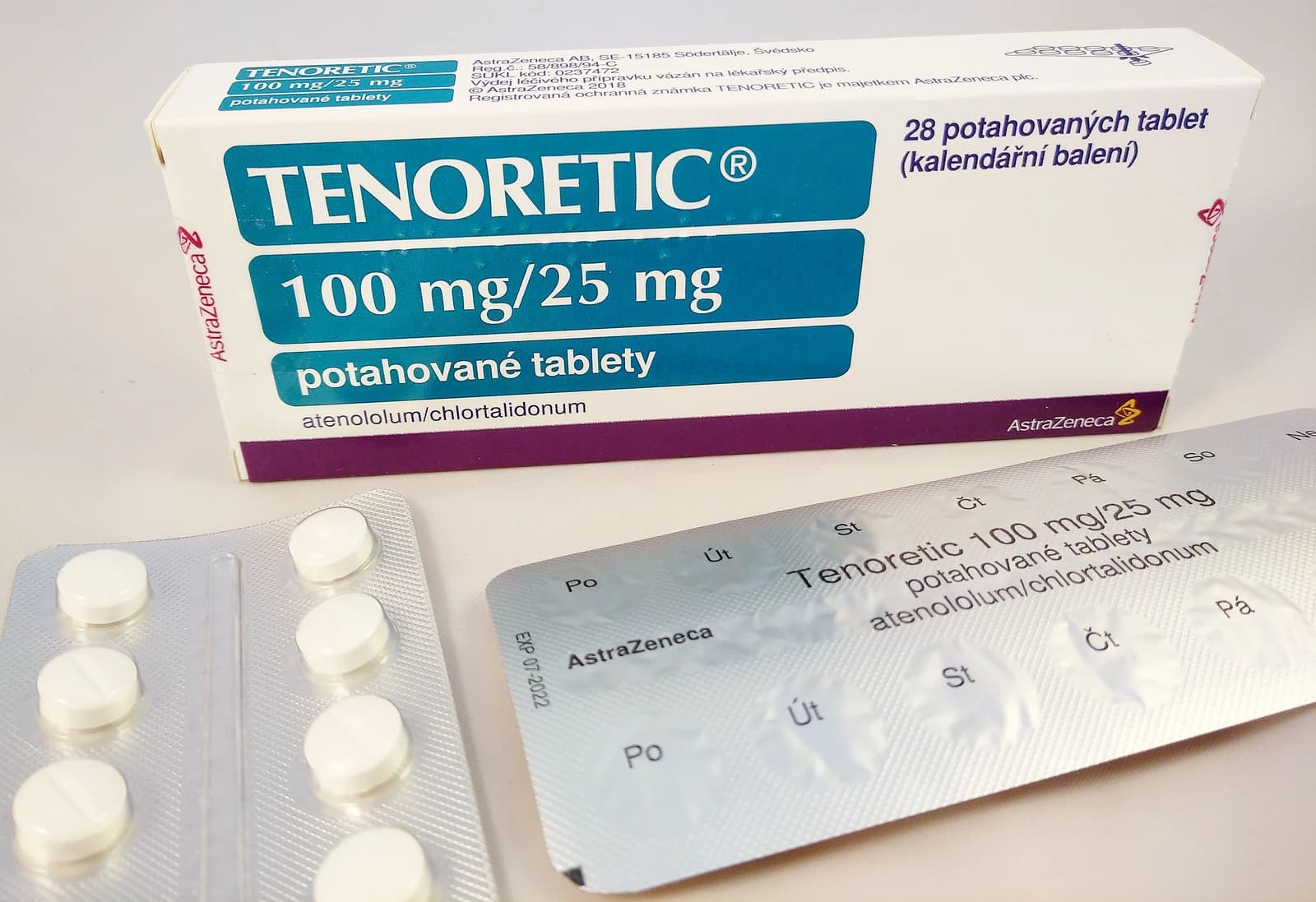
AstraZeneca said the U.S. Food and Drug Administration has granted accelerated approval for Ultomiris in adults with immunoglobulin A nephropathy, a rare kidney disease that can progress to renal failure, giving the drugmaker a new near-term growth driver in a high-unmet-need market.
AstraZeneca Wins FDA Approval for Ultomiris in IgA
The decision matters because it turns an experimental use of one of AstraZeneca’s core rare-disease assets into a commercial product in the U.S., while also giving the company a first-mover advantage in a condition that affects more than 200,000 Americans. AstraZeneca said Ultomiris is now the first and only approved C5 inhibitor for IgA nephropathy, a distinction that could help it win share quickly if physicians adopt the therapy and payers allow broad access.
The approval was granted through the FDA’s accelerated pathway, meaning the agency is relying on an intermediate marker rather than waiting for full outcomes data. In this case, AstraZeneca said Ultomiris cut proteinuria, or excess protein in the urine, by 43.4% versus placebo after 34 weeks in an interim analysis of a late-stage trial. The study will continue through 106 weeks to determine whether the medicine slows loss of kidney function well enough to support a standard approval.
That leaves the commercial case balanced between a clear regulatory win and the usual risk around accelerated approvals: the therapy must still prove it changes the course of disease, not just a surrogate measure. For AstraZeneca, that makes the next readout important for durability of revenue, label expansion and long-term reimbursement. For investors, the key question is whether Ultomiris can add meaningful sales beyond the company’s established oncology and cardiovascular franchises and reinforce the rare-disease business built around Alexion.
The kidney disease market is attractive because the patient pool is large enough to matter financially, but still concentrated enough for a specialist biologic to command premium pricing if efficacy and safety hold up. AstraZeneca said about half of patients with elevated urine protein or reduced kidney function are at high risk of kidney failure within 10 years, underscoring the medical urgency and commercial opportunity. The company said no new safety concerns emerged in the study, and similar applications are under review in Japan and other countries, suggesting the launch could eventually become global.
The shares have already reflected a stronger technical backdrop in recent months, with AstraZeneca trading well above its 50-day moving average and near the upper end of its recent Bollinger Band range. That suggests the market had been leaning toward positive news, but the FDA ruling still removes a major event risk and could support the stock if uptake data and additional approvals follow.
For now, the approval strengthens AstraZeneca’s case that it can keep turning rare-disease biology into revenue even as competition intensifies in oncology. The longer-term test is whether Ultomiris can convert this accelerated nod into a full approval and durable demand in a disease where treatment history has been limited and the commercial bar remains high.
| Entity | Gains | Losses |
|---|---|---|
| AstraZeneca | ▲New U.S. rare-disease revenue | ▼Reliance on confirmatory data |
| IgA nephropathy patients | ▲More treatment options | ▼Wait for long-term outcomes |
| Competing kidney-drug developers | ▲Validation of market demand | ▼First-mover advantage for AZN |
| Long AZN investors | ▲Near-term catalyst | ▼Risk if trial misses endpoint |