US stocks fell on Tuesday, but the sharpest move came in Amgen, where shares sank more than 10% as investors reassessed the biotech group’s experimental cholesterol drug after a setback at Novartis.
Amgen Falls on Cholesterol Drug Read-Through
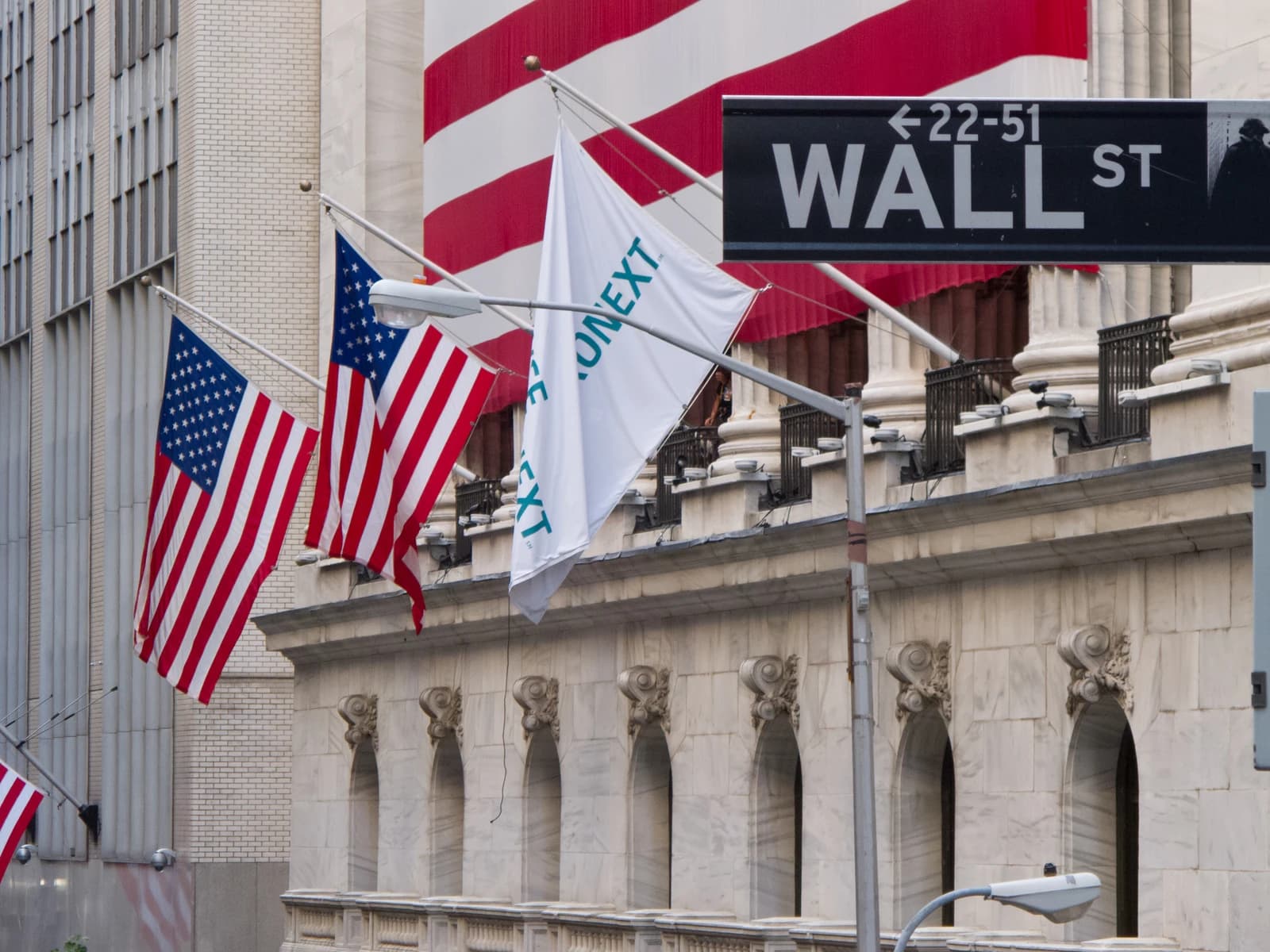
The Dow dropped 1.2% to 52,786, while the S&P 500 lost 0.6% and the Nasdaq 100 slipped 0.2%. That leaves the market in a distinctly risk-off tone, with Adalytica’s S&P 500 signal at “Extreme Fear,” even as the dollar showed renewed strength and oil prices pushed higher. In that backdrop, Amgen’s decline stood out because it was not a broad sector rotation but a company-specific re-rating tied to one of its most important pipeline assets.
Sentiment IndicatorsⓘProprietary · adalytica.com · September 9, 2026
This is a snapshot — live sentiment, awareness and momentum for 130+ markets update continuously in the dashboard.Open AlphaPulse

The immediate catalyst was Novartis’s recent setback on a cholesterol drug in a study, which prompted doubts about Amgen’s olpasiran, a closely watched experimental treatment that works through a similar mechanism. For investors, the issue is not just one trial outcome elsewhere in the space, but whether the broader scientific pathway behind a potential multi-billion-dollar cardiometabolic franchise is becoming less compelling. That matters because large-cap biotech valuations depend heavily on pipeline credibility and the probability that late-stage programs can offset patent cliffs and slower growth in mature products.
Amgen’s stock had been trading well above its 50-day moving average for much of the recent rally, and the pullback on heavy volume suggests the market is starting to strip out some of the optimism built into the shares. Technical readings also point to a weakened near-term setup: the stock’s relative strength index has fallen deep into oversold territory, while momentum indicators have rolled over from earlier highs. That does not by itself change the fundamental outlook, but it shows how quickly sentiment can reverse when a lead asset is questioned.

The move also spilled into the broader biotech complex by reminding investors how dependent the group remains on clinical readouts, regulatory milestones and competitive data. Regeneron and Eli Lilly were weaker too, underscoring that investors are re-evaluating cardiometabolic drug assumptions across the sector rather than treating the Amgen move as an isolated headline.
For now, the bull case is that the Novartis result may prove to be only a partial read-through and that Amgen’s own data eventually supports olpasiran’s value in a large market for cholesterol-lowering therapies. The bear case is that the setback raises the bar for the whole mechanism, compressing peak-sales expectations and forcing investors to assign a lower probability of success to one of Amgen’s key growth drivers. The next catalyst will be whether Amgen can separate its program from the disappointment that hit a rival and convince the market that the science still supports a premium valuation.
| Entity | Gains | Losses |
|---|---|---|
| Amgen short sellers | ▲Volatility and downside momentum | ▼None |
| Amgen long holders | ▲None | ▼Pipeline valuation reset |
| Novartis | ▲Relative-risk repricing vs peers | ▼Clinical setback credibility |
| Biotech peers | ▲Sector attention on cardiometabolic drugs | ▼Read-through pressure on valuations |