Dow Jones futures edged higher Sunday night, but the market’s real question is whether stocks can keep climbing with the 10-year Treasury yield still near 5% and leadership rotating away from the broadest parts of the rally.
Dow Futures Rise as 10-Year Yield Nears 5%

The move comes after a mixed week in which the Nasdaq posted only modest gains, the S&P 500 mostly held its ground and the Dow Jones Industrial Average and Russell 2000 slipped to three-month lows. That split matters because it shows investors are still willing to pay for growth, but only selectively and with a tighter tolerance for higher rates, which continue to pressure valuation-sensitive sectors and smaller companies with weaker balance sheets.
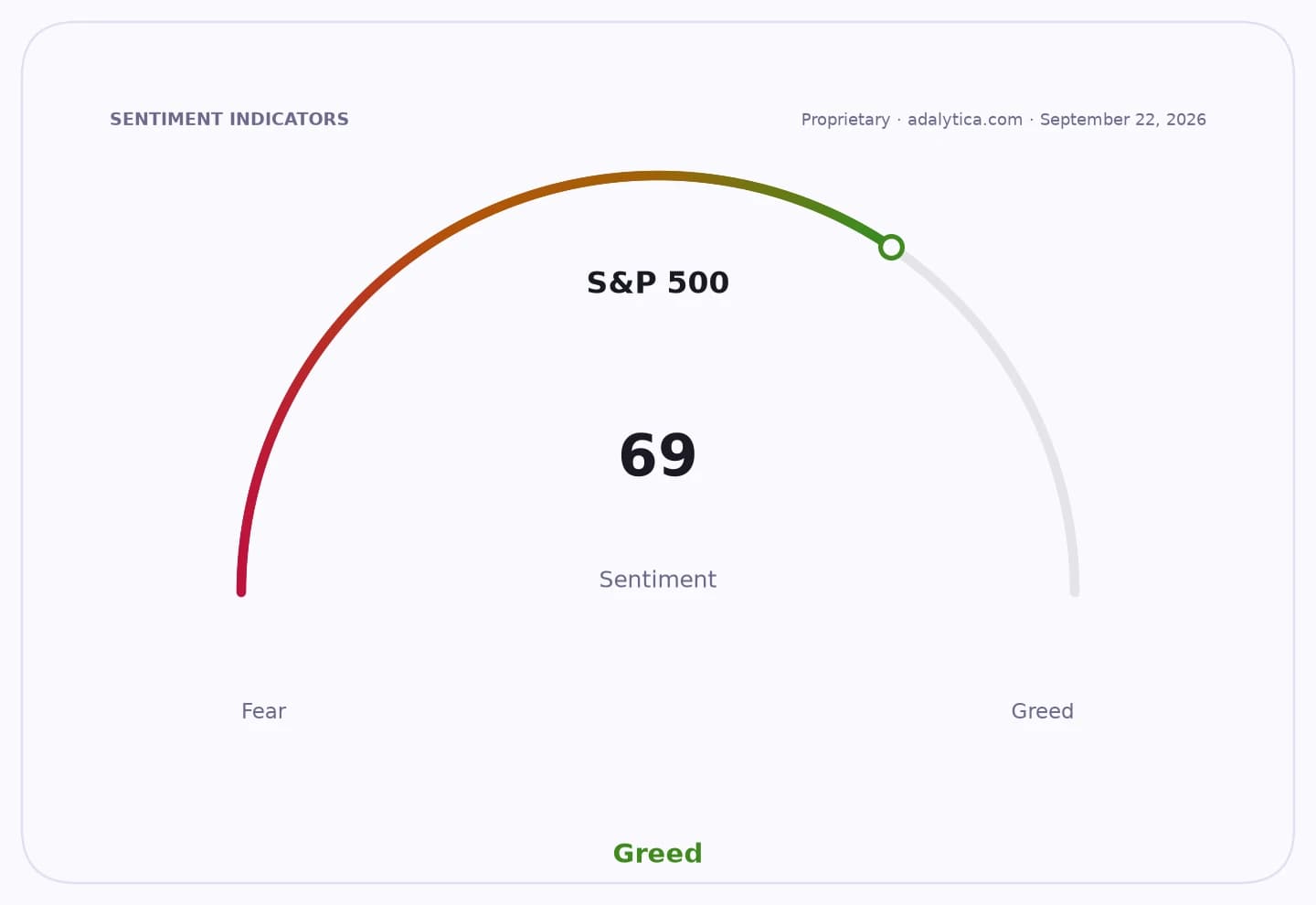
Sentiment IndicatorsⓘProprietary · adalytica.com · September 23, 2026
This is a snapshot — live sentiment, awareness and momentum for 130+ markets update continuously in the dashboard.Open AlphaPulse

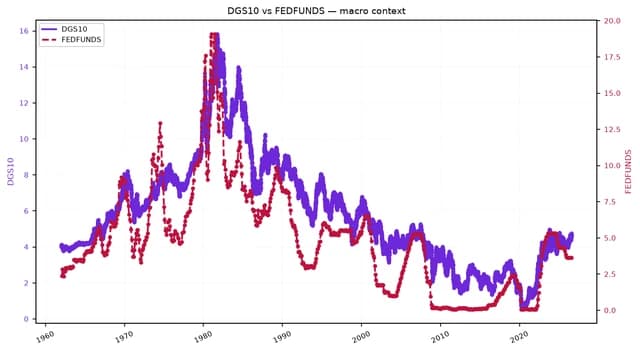
The backdrop is not benign. The 10-year Treasury yield sat at 5.01% on Sept. 18 and remained near 4.96% at the end of the week, a level that usually forces investors to reconsider how much they are willing to pay for future earnings. The Federal Reserve’s policy rate is still above 3.6%, while consumer sentiment remains subdued and recession-tracking gauges are signaling extreme fear. In other words, the market is trying to rally in an environment that still looks restrictive for borrowing, spending and earnings growth.
That makes the latest futures tone more of a test than a triumph. Dow futures, which were trading just above 51,800, remain well above their 200-day moving average but have slipped below the 50-day line, a sign of momentum loss even as the longer-term trend stays intact. The Nasdaq futures are also holding a stronger intermediate uptrend, but recent price action shows heavy leadership dependence on a narrow group of names rather than a broad-based risk-on move.
That narrowness is important for investors. Robinhood, Sandisk, AMD and Moderna were all among the names showing fresh buyable strength, which fits the market’s current preference for stocks with clear catalysts, strong trading momentum or earnings surprises. Robinhood tends to benefit when market activity and volatility support brokerage volumes. AMD remains a key beneficiary of AI-linked spending, though its second-half revenue seasonality and fierce semiconductor competition still leave the stock exposed if demand expectations cool. Sandisk is tied to the data-storage cycle, where supply discipline and AI demand can drive sharp price moves, but the sector remains vulnerable to changes in inventory behavior and broader tech capex. Moderna’s rebound is more controversial, because the vaccine maker still faces fading COVID demand and a harder commercial environment, making any sustained advance dependent on pipeline execution rather than one-off pandemic-era sales.
The bull case is that the market is digesting rates without breaking, and that leadership in semis, brokerage and select biotech suggests investors are still willing to own growth where the earnings path is visible. The bear case is that 5% yields, soft sentiment and weak small-cap performance are warning that the advance is too dependent on a handful of high-beta names and could stall if Treasury yields rise again or if economic data disappoints.
For now, the key variable is whether futures can convert into a broader advance during the coming week. If the Dow can hold above its longer-term trend and the Nasdaq keeps its relative strength, buyers may continue to reward stock-specific catalysts. If not, the market may be forced to confront the cost of capital more directly, with smaller companies and rate-sensitive groups likely to bear the brunt.
| Entity | Gains | Losses |
|---|---|---|
| Growth stocks | ▲Selective buying | ▼Broad valuation pressure |
| Dow futures | ▲Technical support | ▼50-day line weakness |
| Robinhood, AMD, Sandisk, Moderna | ▲Buy-area momentum | ▼Higher scrutiny if rally fades |
| Small caps and rate-sensitive shares | ▲— | ▼5% Treasury yield |