A sub-111-euro 240 Hz gaming monitor is sharpening price pressure in a market long dominated by far more expensive branded screens, giving budget-conscious PC gamers and value-focused retailers a product that delivers esports-level refresh rates without the usual premium.
Amzfast 24-inch 240Hz Monitor Undercuts Gaming Prices
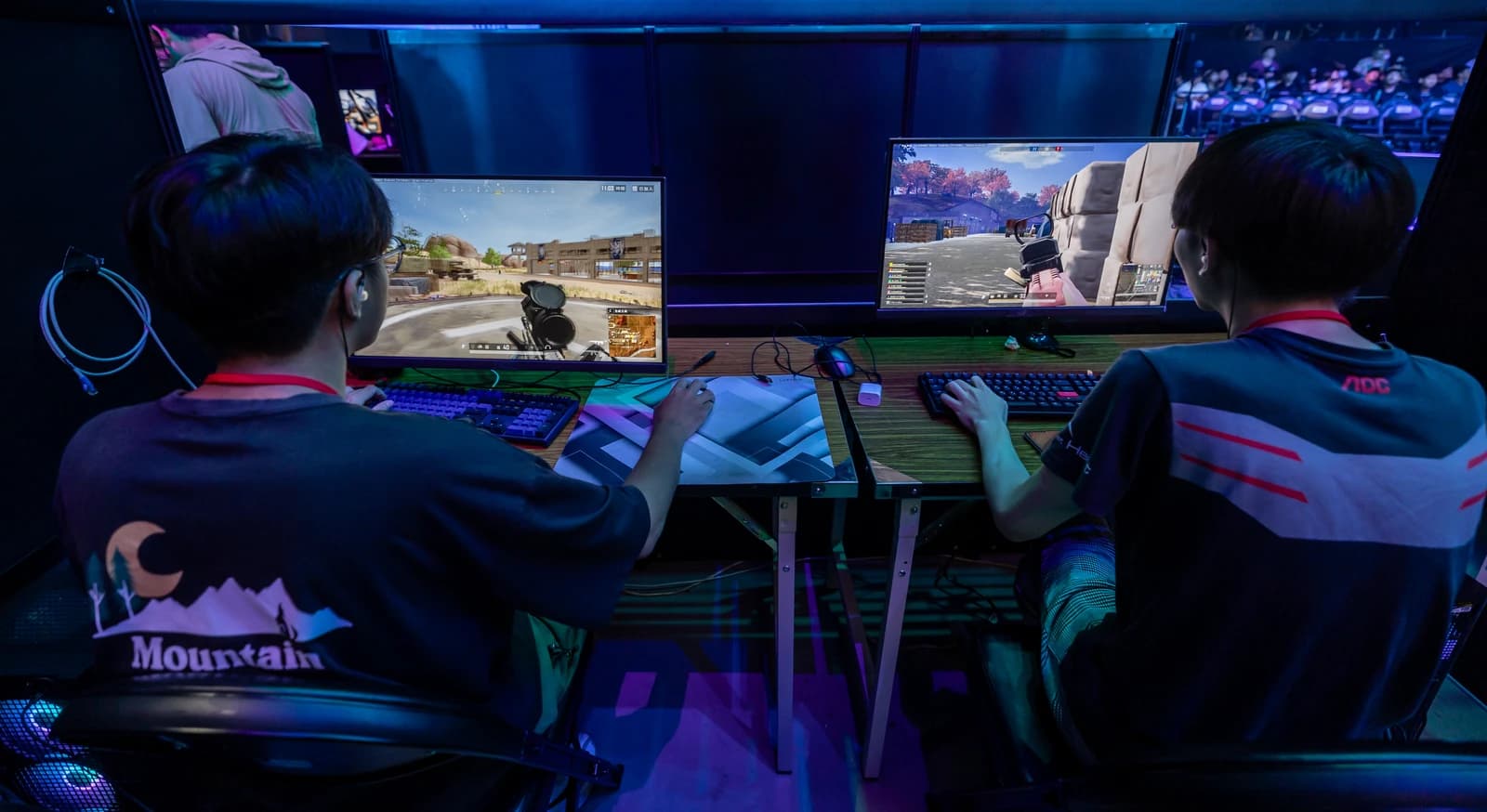
The Amzfast 24-inch curved display, discounted on Amazon to 110.19 euros from 139.99 euros, goes after one of the most profitable parts of the monitor market: high-refresh gaming panels. For consumers, the significance is straightforward — 240 Hz has typically been the preserve of pricier 144 Hz or premium fast-refresh models from established names. For the industry, a sub-115-euro price point signals how aggressively smaller brands are using online distribution to compress margins and challenge incumbents on one of the few specs gamers can easily compare.
That matters because high-refresh monitors sit at the intersection of PC gaming hardware, e-commerce pricing and the wider cycle in consumer tech spending. A 24-inch full-HD VA panel with 1 ms MPRT response time, Adaptive Sync and a curved design gives the Amzfast enough credibility to compete for competitive shooters such as Valorant, Counter-Strike and Rocket League, where latency and motion clarity are buying triggers. The pitch is not just “cheap”; it is “cheap enough to look like a serious upgrade,” which is exactly how newer entrants gain shelf space and mindshare in a crowded category.
The product’s specification sheet helps explain why it lands with bargain hunters. A 3000:1 contrast ratio and 124% sRGB coverage are strong enough for gaming and general content use, while the 93% DCI-P3 figure broadens its appeal beyond esports purists. Adaptive Sync reduces tearing and stutter, two of the most visible pain points for gamers with midrange graphics cards. In other words, the monitor is priced like an entry-level accessory but marketed with feature depth that previously belonged to higher tiers.
For investors, the story is less about one screen than about what it says on pricing power. Corsair, whose shares have climbed sharply from around 4.58 euros in February to 13.66 euros, has benefited from a rebound in gaming hardware enthusiasm and a broader push into peripherals, streaming gear and sim racing products. But the Amzfast offer underlines how quickly competitors can attack adjacent categories when the consumer is highly spec-sensitive and online comparison shopping is immediate. That can pressure average selling prices for display-linked accessories and limit the margin expansion that hardware makers often need to justify higher valuations.
Nvidia is only indirectly involved, but the monitor trend still matters to the GPU ecosystem. Higher refresh rates encourage gamers to buy faster graphics cards to feed those displays, which supports the upgrade cycle across the PC gaming stack. Yet the gain is uneven: if consumers can secure 240 Hz at a low entry price, more of the value shifts to panel makers and e-commerce channels, while system builders and accessory brands face tighter competition. Nvidia’s stock, trading at 225.07 dollars after recovering from a spring pullback, remains supported by broader AI demand, but gaming hardware still depends on a healthy refresh cycle to sustain interest at the retail end.
The bull case for low-cost fast monitors is that they expand the addressable market, pulling in players who previously settled for 60 Hz or 144 Hz screens and accelerating upgrades across the PC ecosystem. The bear case is that commoditization deepens, turning a once-premium feature set into a discount category and making it harder for established brands to defend price points. For investors, the key question is whether demand growth can outrun the erosion in unit economics. The answer will shape who captures the next leg of gaming hardware spending: premium brands with pricing discipline, or value players using aggressive online promos to win volume.
| Entity | Gains | Losses |
|---|---|---|
| Budget gamers | ▲240 Hz at lower cost | ▼Premium pricing |
| Amzfast | ▲Market visibility | ▼Margin room |
| Corsair | ▲More category attention | ▼Price competition |
| Nvidia / GPU ecosystem | ▲Faster upgrade cycle | ▼Value shifts to displays |