Andalusia is set to lift healthcare spending to 17.037 billion euros in 2027, a 4.5% increase that will finance what the regional government calls the biggest reform of the public health service in decades, as pressure from staffing shortages, cancer-screening failures and street protests forces a reset of Spain’s largest regional health system.
Andalusia lifts 2027 healthcare spending to 17.0 billion

The health budget will account for roughly one-third of Andalusia’s 54.716 billion-euro spending plan, giving the Servicio Andaluz de Salud far more room to hire, modernize and restructure a system that serves the country’s most populous region and employs about 121,000 people. The package is due to be approved by the cabinet next week before heading to parliament.
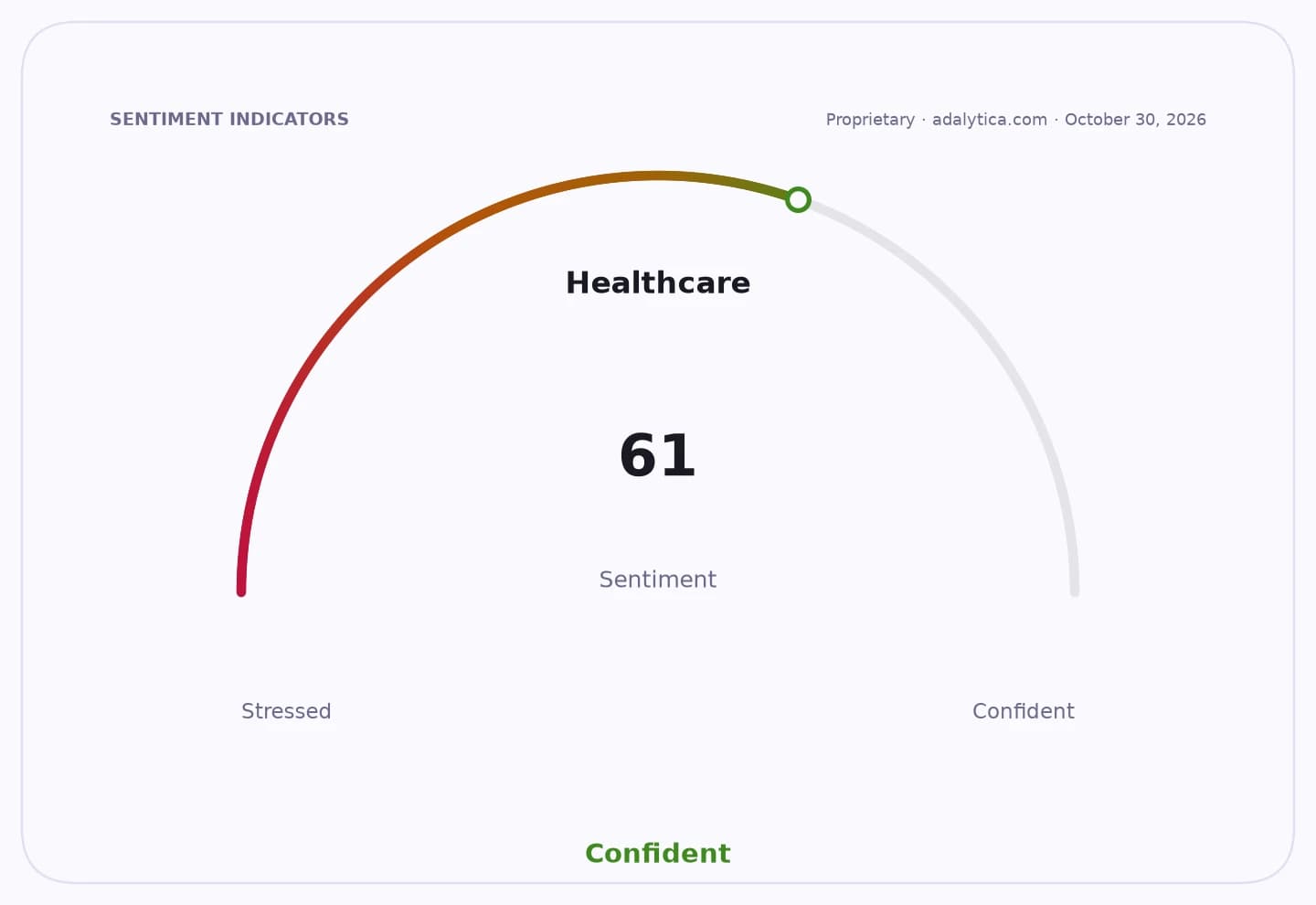
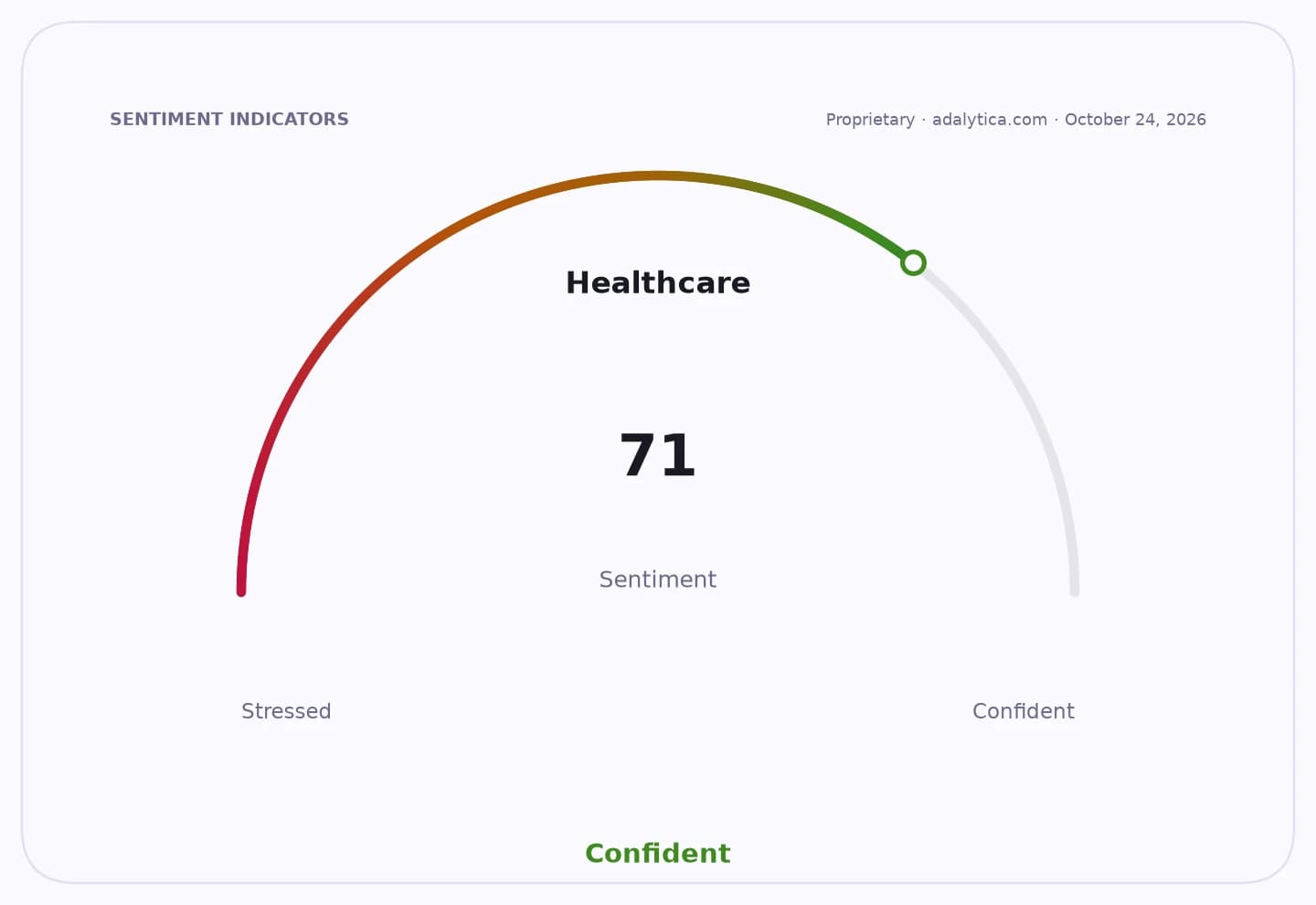
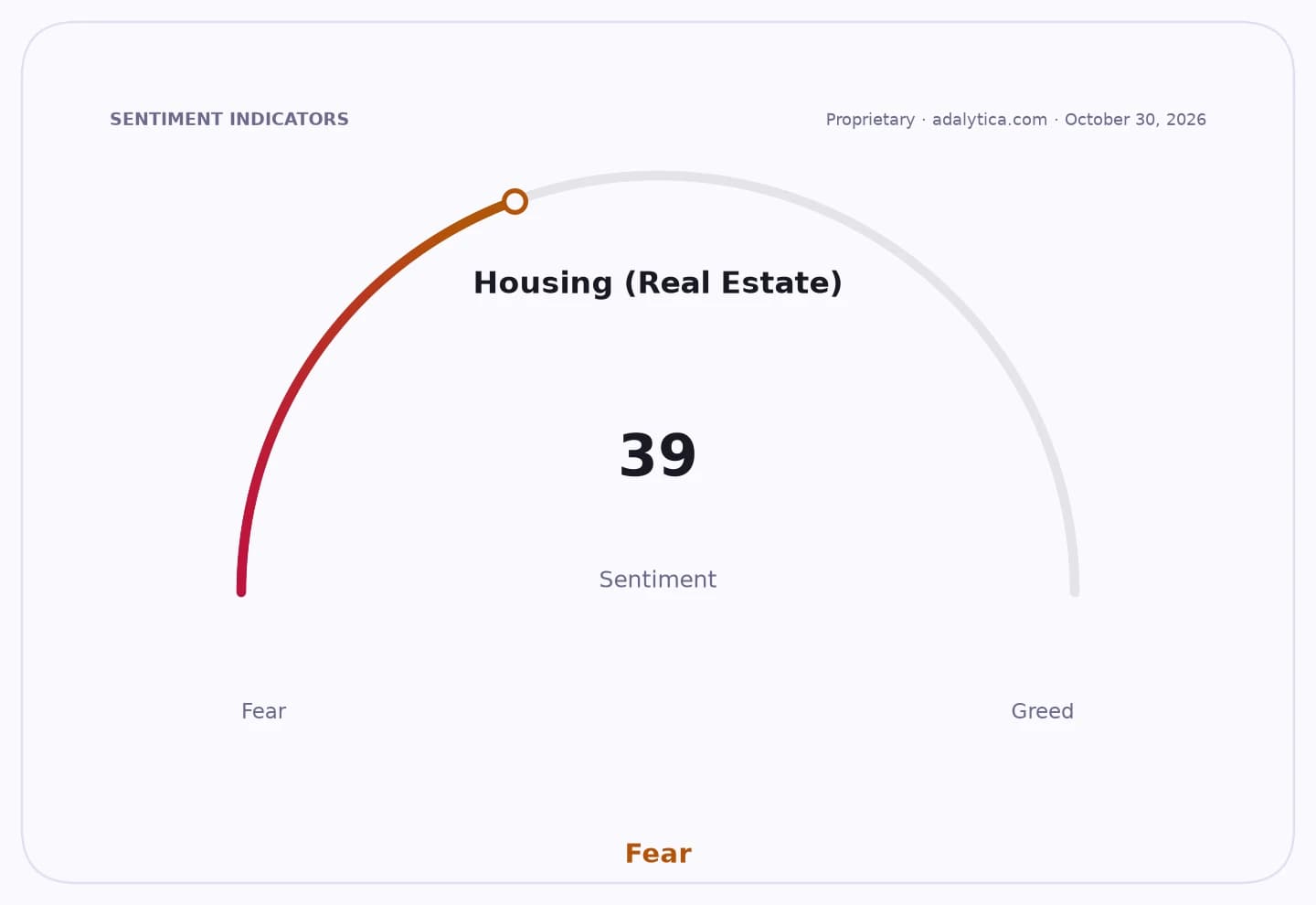
Sentiment Indicators
For investors, the scale of the commitment matters because it signals that public healthcare remains a top political priority even as the Junta also responds to housing pressure with a 954.6 million-euro budget for that department, up 31.06% from 2026. The health plan is designed to stabilize a politically sensitive service that has become a recurring fault line for the regional government, most recently after delays and communication failures in breast-cancer screening affected at least 2,371 people, according to the Junta.
Health Minister Antonio Sanz has already moved to reinforce the system with 700 additional professionals, 90% of whom have now been hired, and with 100 million euros earmarked for radiology, the bottleneck at the center of the screening crisis, especially at Virgen del Rocío hospital in Seville. The new budget is meant to support that response and broaden it into a longer-term overhaul.
The reform plan has three pillars: organizational changes, a new healthcare guarantees law and a digital push that includes automation and artificial intelligence to streamline administration. The regional government also plans to create a committee for evaluation, innovation and operational reform to steer the changes.
The political stakes are high. Andalusia’s health system has already helped topple one regional government in the past, and continued unrest from unions shows the issue is far from settled. The Andalusian Medical Union has called stoppages from Nov. 13 to Dec. 4, citing delays in implementing labor agreements and the lack of a rollout timetable.
The bigger economic narrative is that Spain’s regions are still being forced to spend heavily on public services under intense social and political scrutiny, with healthcare at the center of that pressure. Andalusia’s move suggests more budgetary support is coming for hospitals, primary care and outsourced services, but it also raises expectations that the government will deliver measurable improvements fast.
| Entity | Gains | Losses |
|---|---|---|
| SAS and Andalusia health workers | ▲More funding, hiring, investment | ▼Higher reform pressure |
| Patients in Andalusia | ▲Better access, faster screening | ▼Transition risk |
| Juanma Moreno government | ▲Political breathing room | ▼Accountability for delivery |
| Medical unions | ▲Negotiating leverage | ▼Reform if agreements are bypassed |