Belgium’s healthcare funding fight is moving from warning to policy, with six organizations proposing a 750 million euro plan to shore up the medical system by 2027 and limit the burden on patients.
Belgium health funding plan targets patients, pharma
The proposal lands as the compulsory medical insurance fund is projected to run deficits for the next three years, raising pressure on the government to plug a widening gap without shifting more costs onto households. Signatories argue Belgian patients already pay more for care than people in neighboring countries, and say a quarter of the 1.1 billion euros in savings already implemented under the current legislature has been passed through to patients.
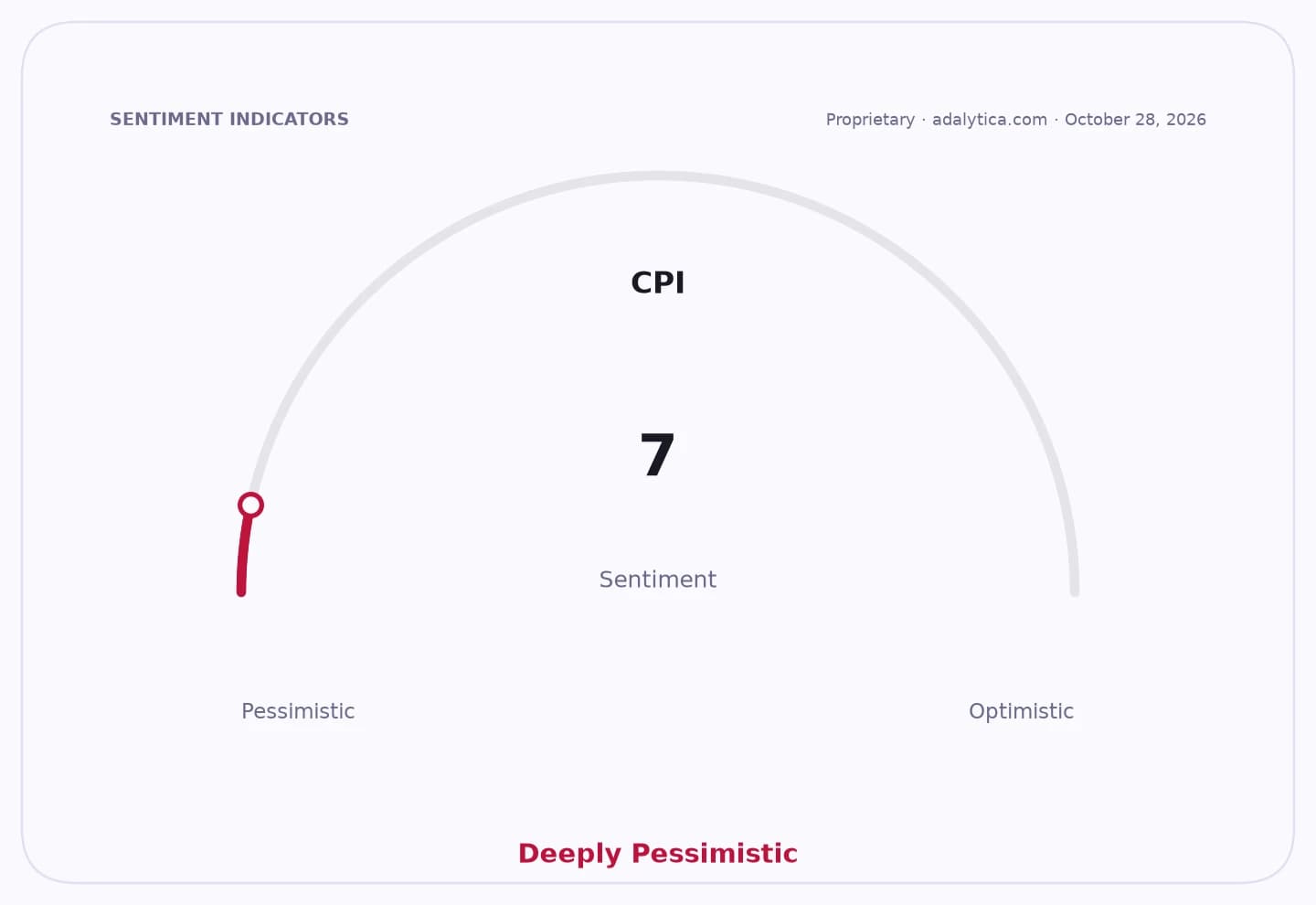
Sentiment Indicators
The plan aims to create a 400 million euro health allocation from 2027, indexed to health inflation and demographics, by trimming tax advantages for management companies and capping deductions for company cars. It also calls for a sugar levy tied to product sugar content, designed to push food makers to reformulate drinks and help curb obesity-related disease.
Two other measures target the healthcare sector directly. Hospital insurance contributions would rise from 10% to 15% by 2028, alongside a cap on billing supplements, while a much sharper levy on pharmaceutical marketing would jump from 0.13% to 3% in 2027 to pressure drugmakers toward more rational prescribing.
For investors, the plan matters because it points to a more interventionist funding model for Belgian healthcare, with consequences for insurers, drug companies, providers and consumer-facing businesses that benefit from tax breaks. It also underscores the strain on public finances at a time when governments across Europe are trying to protect healthcare access without deepening deficits.
The direction of travel is clear: more of the cost will be pushed toward sectors that benefit from the system, and less toward patients. Next week’s budget correction will show whether the government adopts this approach or opts for a narrower fix.
| Entity | Gains | Losses |
|---|---|---|
| Belgian health system | ▲More stable funding | ▼Less budget uncertainty |
| Patients | ▲Fewer cost hikes | ▼Higher out-of-pocket risk if plan fails |
| Pharma and insurers | ▲Predictable rules if compromise is reached | ▼Higher levies and tighter caps |
| Management firms and company-car users | ▲None | ▼Tax benefits trimmed |