AstraZeneca has asked French authorities to remove its breast-cancer treatment Zoladex from reimbursement, a move that will shift costs onto patients and underscores how drug pricing pressure is forcing big pharmaceutical groups to protect margins.
AstraZeneca Seeks Zoladex Reimbursement Removal in France
The decision matters because Zoladex is used to suppress hormones that can fuel certain breast cancers, making access more than a commercial issue. For patients like those cited in French reporting, the withdrawal of reimbursement could mean annual out-of-pocket bills running to several thousand euros, a steep burden at a time when Europe is already trying to hold down healthcare costs and protect access to oncology care.
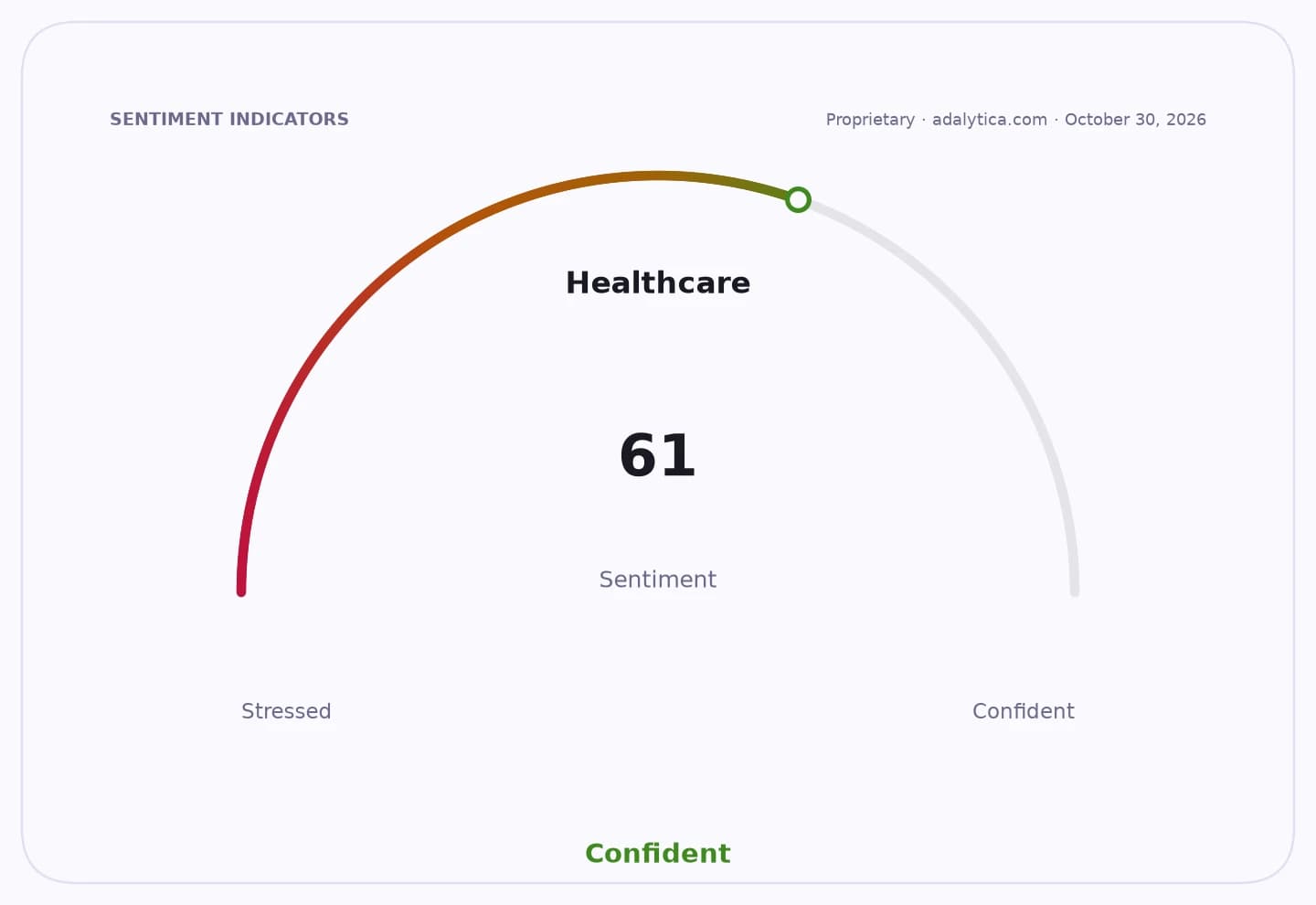
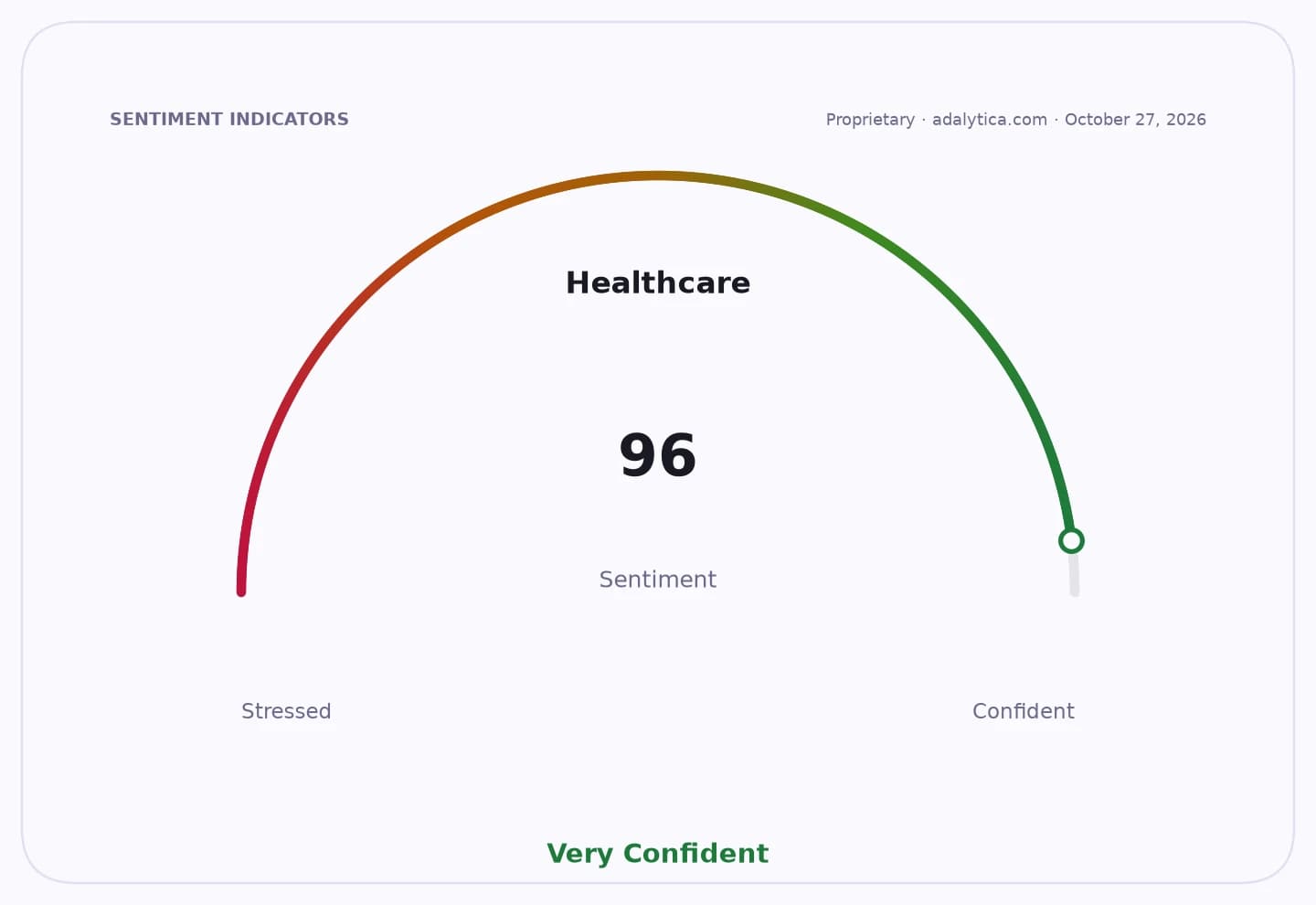
Sentiment Indicators
For AstraZeneca, the request reflects a familiar but increasingly contentious calculation: when public pricing frameworks leave a product’s economics squeezed, companies may choose to exit reimbursement rather than accept lower returns. The French report said the company made the request in July for reasons of “economic sustainability,” language that points to pressure to preserve profitability even in established drugs. That is consistent with a broader industry backdrop in which large drugmakers are balancing heavy oncology investment with demands from governments and payers for tighter spending discipline.
The timing is politically sensitive. The announcement landed in the middle of Octobre rose, France’s breast-cancer awareness campaign, sharpening public criticism of a decision that can be framed as a cost issue but lands directly on patients. It also comes as regulators and courts in other markets are pushing harder on medicine affordability, including moves to curb hospital markups and widen free-drug programs. That combination suggests the pricing debate is moving from isolated disputes to a broader contest over who pays for cancer care.
Investors are likely to see the episode through two lenses. The bull case is that AstraZeneca is defending pricing discipline on mature products so it can fund its oncology pipeline, where returns are more attractive. The bear case is reputational: pressure over access and reimbursement can invite political backlash, tighter regulation and harder negotiations with payers across Europe. While Zoladex is not a company-defining product, the dispute illustrates the wider risk that drugmakers face when established therapies become vulnerable to reimbursement cuts or withdrawal.
AstraZeneca shares were steady around 171.29 on Oct. 28, above the 50-day moving average but below the 200-day average, suggesting the market is not treating the reimbursement issue as a near-term earnings shock. Still, the broader message for investors is clear: in oncology, pricing power is under increasing scrutiny, and companies that rely on premium returns will need to defend not just clinical value but public affordability.
| Entity | Gains | Losses |
|---|---|---|
| AstraZeneca | ▲margin protection | ▼reimbursement revenue |
| French payers/regulators | ▲cost control | ▼political heat |
| Patients using Zoladex | ▲— | ▼higher out-of-pocket costs |
| Competing oncology drugs | ▲relative access appeal | ▼— |