France’s plan to force supermarkets to sell 80 healthy food items at cost price is heading for a likely setback in the Senate, underscoring the political difficulty of shielding household budgets from food inflation without squeezing retailers.
France supermarket healthy food price bill faces Senate setback
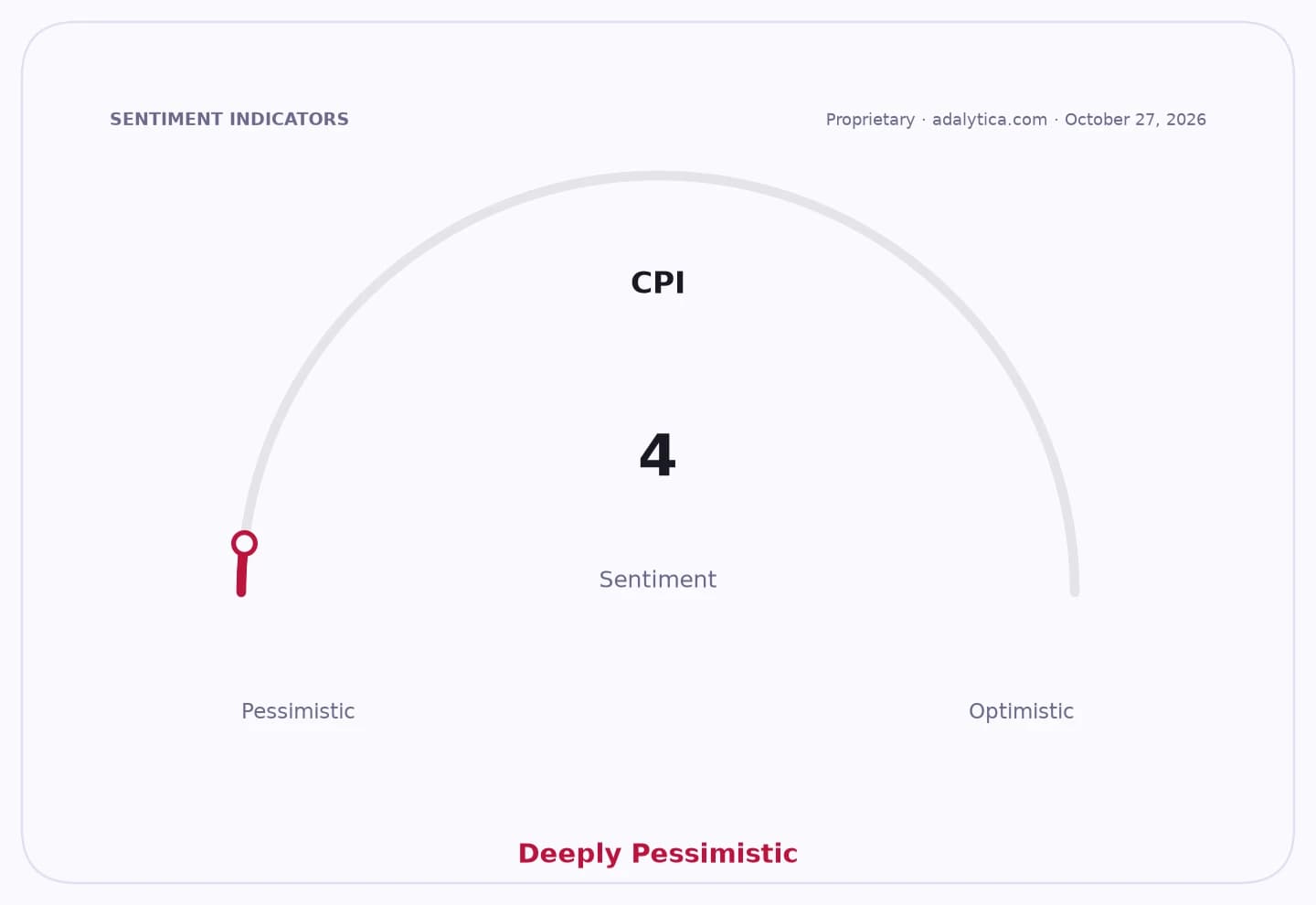
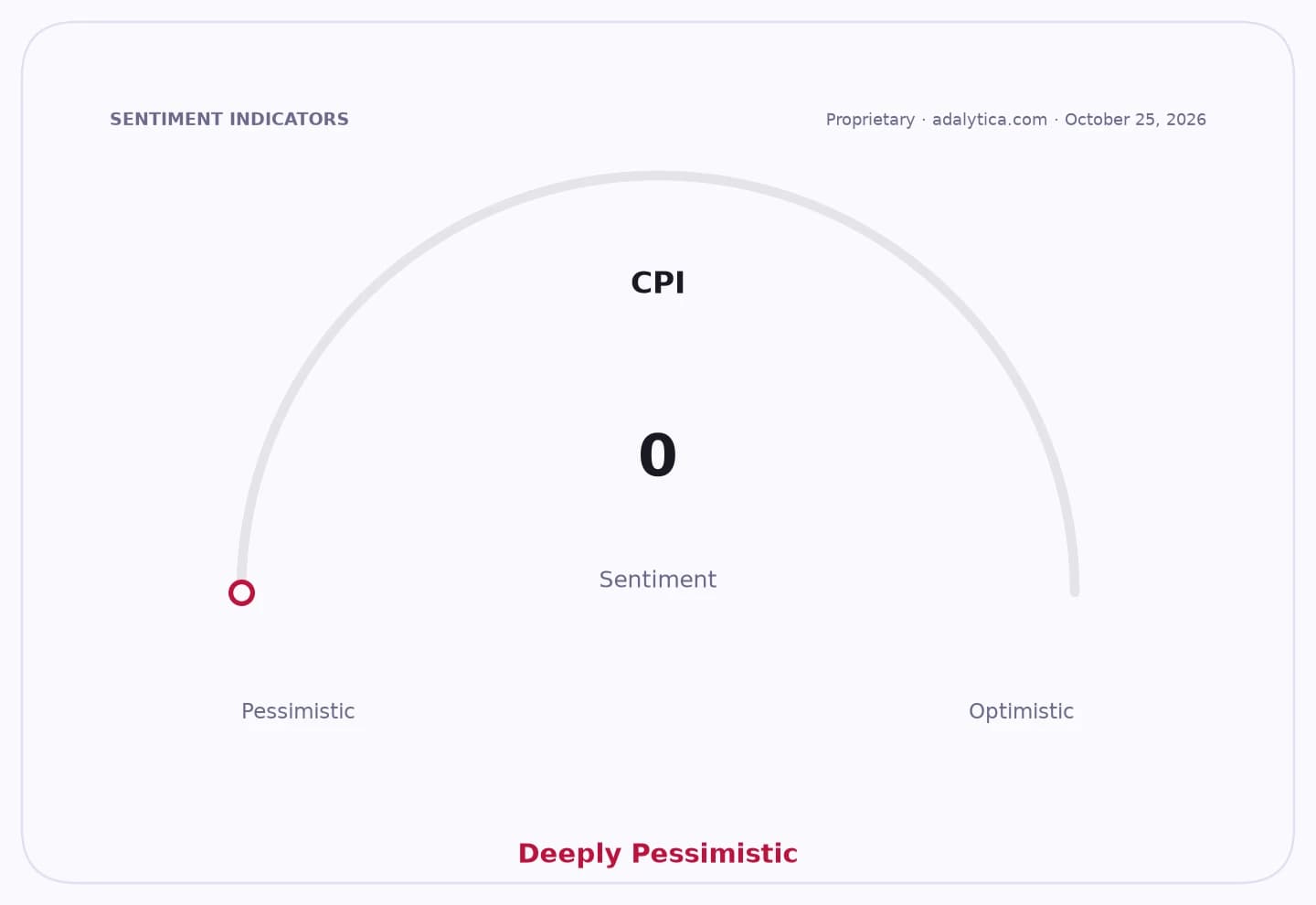
CPI
The measure, backed by Green senator Antoinette Guhl and a parallel bill in the lower house, is meant to ease pressure on consumers while nudging diets away from ultra-processed foods. But the proposal was rejected in committee on Wednesday, with the rapporteur from the centre-right Republicans calling it hard to calculate, hard to police and a threat to commercial freedom. In a Senate dominated by the right, passage now looks unlikely.
Sentiment Indicators
The stakes are not trivial. Food prices have been one of the most visible channels of inflation for French households, and the debate reflects a broader European struggle over how far governments should go in intervening in grocery pricing. Guhl cites her report showing fresh fruit prices have risen 54% since 2015 and vegetables 62%, compared with 21% for overall inflation. That gap has sharpened political pressure for action, especially as consumers trade down and hunt promotions.
The bill is also economically significant because it shifts the burden of anti-inflation policy away from the state and onto distributors. Its sponsors argue the scheme would not force supermarkets to sell below cost, only without additional margin, and would not be passed on to farmers or suppliers. But the retail industry is likely to see it as another constraint on pricing flexibility at a time when margins on fresh and healthy products are already under pressure and food inflation remains elevated globally.
For investors, the immediate market read is limited but clear: large food retailers would face another regulatory overhang if the idea survives to the lower house. In the United States, the closest listed proxies, Walmart and Costco, have both benefited from persistent demand for value and groceries, though their shares have also shown how quickly retailers can reprice when investors fear margin pressure. Costco’s stock has been volatile around the $900-$1,000 range, while Walmart remains well above its 200-day moving average, reflecting a market that still rewards scale and defensive grocery exposure. That said, the French proposal would matter more for sentiment than direct earnings impact unless similar price controls spread.
The political comparison with France’s 2023 “anti-inflation quarter” is instructive. That earlier voluntary scheme, which asked retailers to offer a basket at the lowest possible price, had only limited effect. The new proposal is more binding, and that is precisely why it is more controversial. Retailers can accept public scrutiny; they are far less likely to embrace a rule that narrows pricing freedom and invites regulatory precedent.
The bill will now test whether the narrative of cheaper, healthier food can overcome the legal and economic objections that have already stalled it in committee. If it reaches the National Assembly’s Green slot on Dec. 3, the battle will shift from concept to enforcement — and to whether France is prepared to impose a consumer-friendly policy that supermarkets say would be difficult to implement without unintended consequences.
| Entity | Gains | Losses |
|---|---|---|
| Consumers | ▲Lower grocery bills | ▼Less pricing flexibility in stores |
| Supermarkets | ▲Public goodwill if voluntary | ▼Margin pressure and regulation |
| Farmers/suppliers | ▲Shield from direct pass-through | ▼Possible pressure if costs are squeezed |
| Healthy-food advocates | ▲Policy momentum | ▼Risk of legislative defeat |