Belgium’s top federal ministers have abandoned Bart De Wever’s proposed “debt brake” and will keep negotiating a multi-year budget, underscoring how far apart the coalition remains as pressure from financial markets intensifies.
Belgium Drops Debt Brake, Keeps 2029 Budget Talks
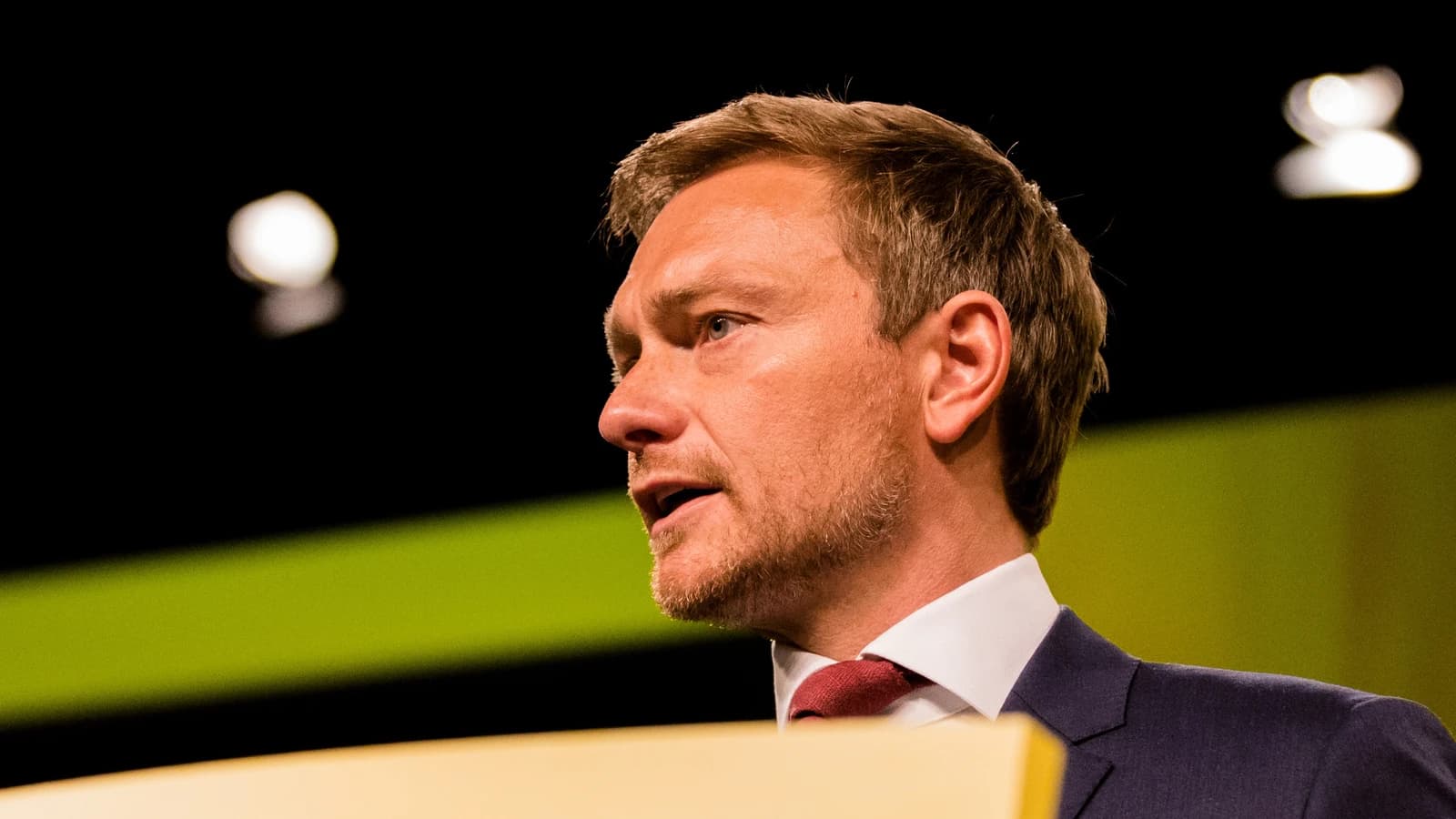
The shift matters because it shows the government is still trying to build a credible path to 2029 rather than falling back on a stopgap budget, even as the talks have stalled over how to close a 10 billion euro gap. De Wever had floated the debt-brake idea as a way to reassure bond investors, but the plan ran into resistance from coalition partners and was dropped for now.
Sentiment Indicators
Markets are watching closely. Belgium’s 10-year borrowing cost has climbed to about 4.39%, the highest in roughly 15 years, while the 2-year yield sits near 4.77%, keeping financing costs elevated across the curve. The yield spread between Belgian 10-year and 2-year debt has narrowed to around 33 basis points, signaling an economy under mounting fiscal pressure and leaving less room for the government to delay hard choices.
The political risk is now feeding directly into the funding outlook. De Wever has warned that letting the talks drift could force draconian measures later, while his ministers say they still need a durable budget path that stretches through 2029. But the coalition remains split over the mix of tax increases and spending cuts, with the MR resisting a value-added tax rise and other parties pushing for broader burden-sharing.
Debt Rules — 30-day sentimentadalytica.com
Explore this data interactively — full history, time series and cross-market comparisons.
That stalemate matters beyond Brussels. If the government cannot agree a credible multi-year plan, investors may start to price in a higher risk premium on Belgian debt, just as France and other euro-zone borrowers face similar scrutiny. The longer the impasse lasts, the greater the chance of another temporary budget, weaker policy confidence and more pressure on banks, insurers and pension funds holding sovereign paper.
For now, the immediate catalyst is the next round of talks due tomorrow evening. A deal would help calm markets and keep Belgium on a path toward fiscal consolidation; another failure would make a fallback budget or parliamentary confrontation much more likely.
| Entity | Gains | Losses |
|---|---|---|
| Belgian government | ▲more time to negotiate | ▼credibility if talks drag on |
| Bond investors | ▲clearer multi-year plan if reached | ▼higher risk premium if stalemate persists |
| MR | ▲veto leverage on VAT rise | ▼blame if talks collapse |
| Belgium’s fiscal outlook | ▲avoids immediate stopgap budget | ▼faces rising borrowing costs |