Belgium’s debt agency chief has warned top ministers that the country’s interest bill is climbing so fast that the so-called debt snowball could hit about two years earlier than expected, sharpening the fiscal urgency behind the federal government’s stalled budget talks.
Belgium Debt Agency Warns Snowball Could Hit by 2029
The warning matters because higher borrowing costs are now feeding directly into Belgium’s deficit math, leaving less room for policy choices and more pressure to find durable savings. Jean Deboutte, director of the Belgian Debt Agency, told the kern cabinet that under current geo-economic conditions the snowball effect — when debt rises simply because interest costs outpace growth and primary balances — could arrive in 2029, two years sooner than previously assumed. If rates rise further, he said, it could come as early as 2028.
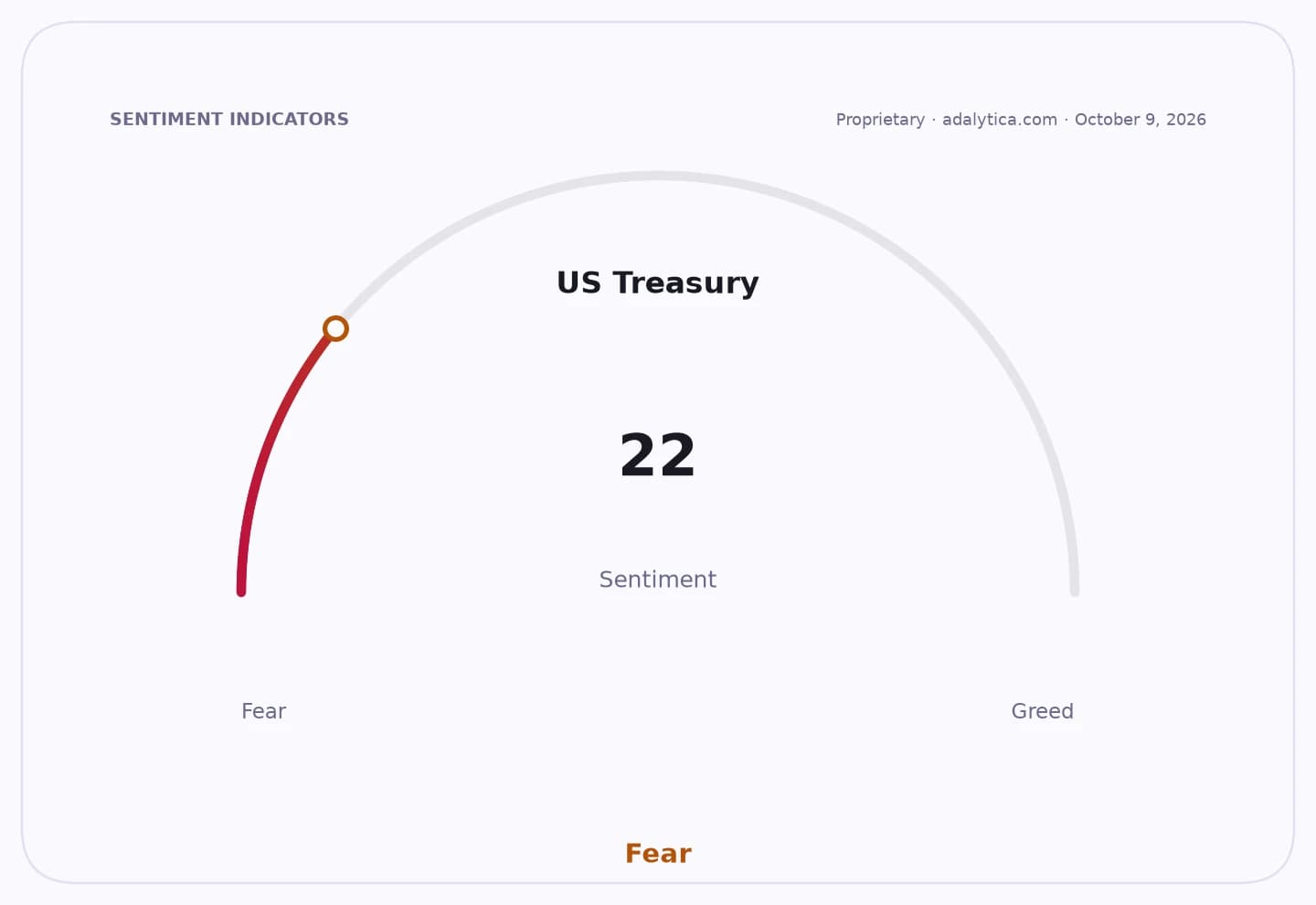
Sentiment IndicatorsⓘProprietary · adalytica.com · October 9, 2026
This is a snapshot — live sentiment, awareness and momentum for 130+ markets update continuously in the dashboard.Open AlphaPulse
That puts hard numbers behind what ministers are already confronting on the market side. Belgium’s 10-year yield has climbed to about 4.39%, the highest level in roughly 15 years, while France’s 10-year rate has moved close to 5% and the U.S. 10-year sits around 5.35%. The shift reflects a broader global selloff in longer-dated government bonds, driven by inflation worries, geopolitical risk and expectations that central banks may have to stay tighter for longer.
For Belgium, the stakes are unusually high because it is trying to repair public finances while also dealing with one of the euro area’s weaker fiscal starting points. A faster debt snowball means every delay in budget consolidation compounds the problem: more of the tax base gets diverted to interest payments, and less is available for spending, investment or tax relief. It also narrows the political room to maneuver in coalition negotiations, where parties are already split over VAT reform, health-care cuts and who should shoulder the adjustment.
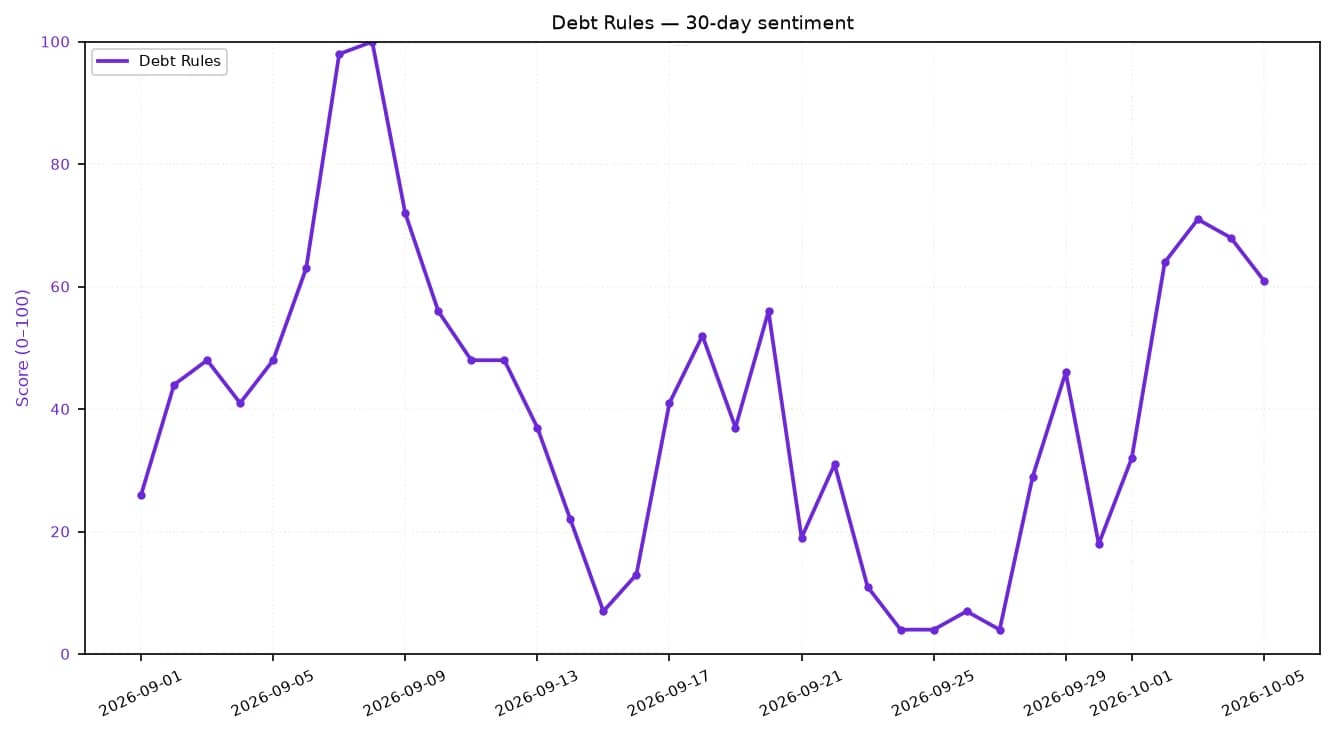
DGS10 vs DGS2 — macro contextadalytica.com
Explore this data interactively — full history, time series and cross-market comparisons.Open AlphaPulse
Investors will read Deboutte’s warning as a signal that Belgium’s refinancing costs may remain elevated even if the ECB eventually eases policy. That matters for sovereign bond holders, bank balance sheets and rate-sensitive equities exposed to higher sovereign discount rates. It also reinforces the case for keeping duration cautious in euro government debt until there is clearer evidence that inflation and growth pressures are easing.
The immediate narrative is no longer just about a difficult Belgian budget. It is about a state that is being forced to confront a faster-moving debt dynamic at the same time as the market is demanding a higher risk premium for long-term borrowing. If ministers fail to close the gap, the arithmetic will do the work for them.
| Entity | Gains | Losses |
|---|---|---|
| Belgian government | ▲Time to cut spending | ▼Budget flexibility |
| Bond investors | ▲Higher yields | ▼Price stability |
| Taxpayers | ▲Possible discipline later | ▼Higher interest burden |
| Coalitions favoring reform | ▲Fiscal urgency | ▼Political room to delay |