France’s bond market selloff is now the clearest sign that Europe’s energy shock is colliding with a much bigger problem: weak fiscal credibility in the eurozone’s most heavily watched borrower.
France 10-Year Bond Yield Nears 5% on Deficit Worries
That matters because rising yields can quickly turn a political debate over budget rules into a financing problem for governments, banks and companies across the bloc. The yield on France’s 10-year bond has climbed close to 5%, a level not seen in roughly 25 years, as investors demand more compensation to hold French debt amid a large deficit and growing doubts about Paris’ budget path.
Sentiment IndicatorsⓘProprietary · adalytica.com · October 10, 2026
This is a snapshot — live sentiment, awareness and momentum for 130+ markets update continuously in the dashboard.Open AlphaPulse
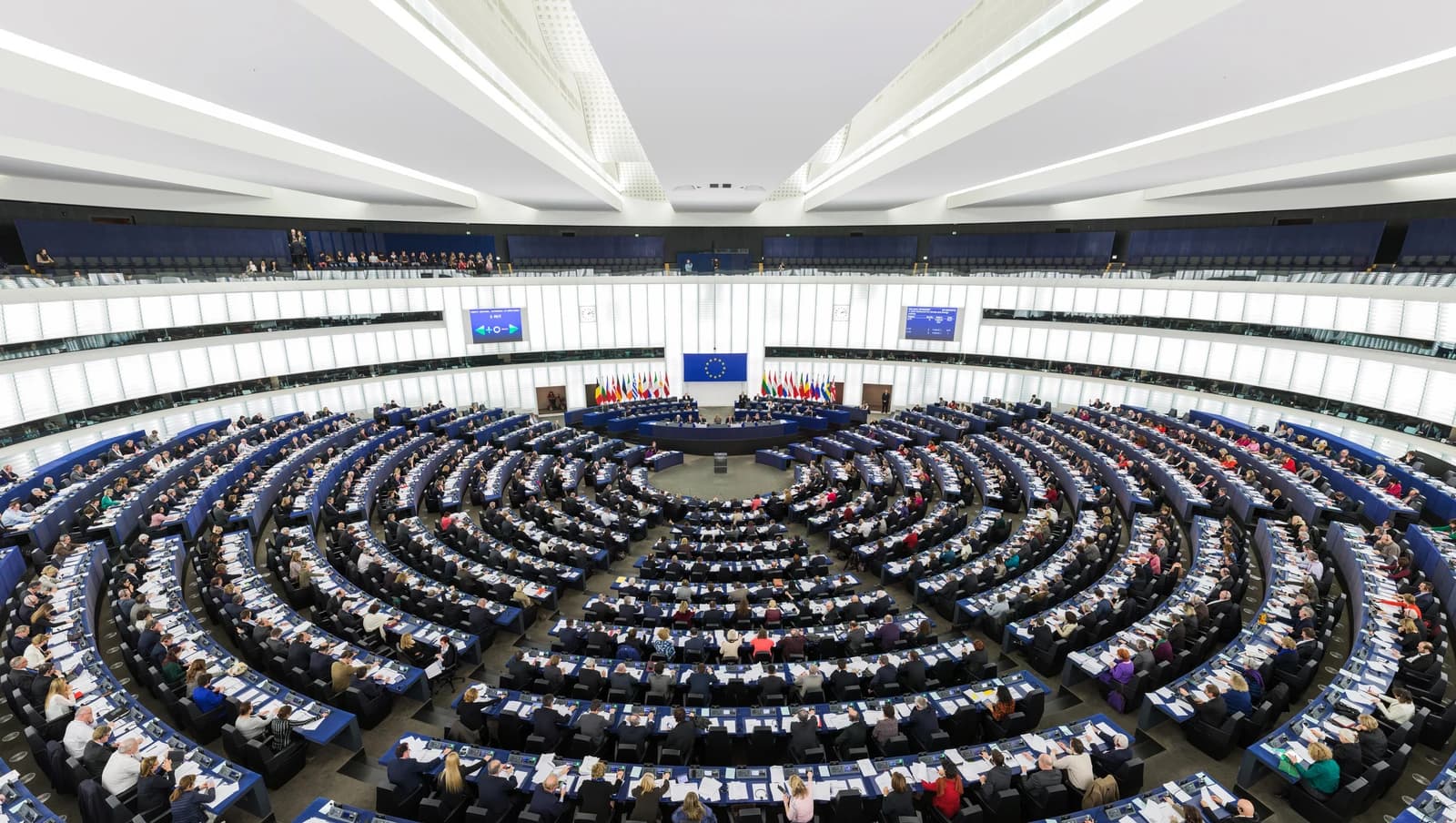
The pressure could not come at a worse time for eurozone policymakers. Finance ministers meeting in Luxembourg are split over whether to give countries more room to support households and businesses hit by high energy costs. Greece and Italy want temporary spending tied to energy relief to sit outside the bloc’s net-spending rules, arguing that inflation is generating extra tax revenue that should be available for targeted aid. The Netherlands and Belgium pushed back, warning that loosening the rules would simply pile more debt on already stretched public finances.
For investors, the disagreement is more than a Brussels argument. It is a reminder that the eurozone still lacks a unified response to a shock that is simultaneously inflationary, growth-negative and politically destabilizing. Energy costs are squeezing consumers and companies, but higher sovereign borrowing costs are now amplifying the strain by making every fiscal choice more expensive.
The French case is especially important because France sits at the core of the euro area’s sovereign bond market. When its yields move sharply higher, the consequences can ripple through funding costs for the entire bloc. European officials are expected to send Paris a message to put together a credible 2027 budget, but there is no sign of a rescue or a broader intervention. In other words, the burden remains squarely on national governments to show discipline before markets force the issue.
There is also a clear lesson here for long-term investors: not every European sovereign is being judged the same way. Countries with stronger budgets and more room to maneuver may weather the energy shock with less pain, while those with larger deficits or weaker reform records face a harsher market test. That creates a persistent gap between borrowers that can manage the cycle and those that risk being defined by it.
For equity investors, the backdrop argues for selectivity. Energy producers may benefit from elevated prices and governments’ attempts to share the burden, while rate-sensitive sectors and domestic banks in higher-debt countries remain exposed if sovereign spreads widen further. The euro itself can also remain under pressure if markets continue to price fiscal fragmentation rather than policy unity.
The bigger story, though, is that Europe is being forced to confront an old problem in a new form. The energy crisis has revived the same question that always returns in a downturn: who pays, for how long, and with what borrowing capacity left? Until policymakers answer that with more credibility than they have shown so far, France will stay at the center of the eurozone’s fiscal anxiety.
| Entity | Gains | Losses |
|---|---|---|
| Energy producers | ▲Higher prices, stronger cash flow | ▼Pressure for windfall measures |
| France | ▲None; market discipline forces urgency | ▼Higher borrowing costs, wider spreads |
| Fiscal hawks | ▲Rule enforcement, debt restraint | ▼Less room for emergency spending |
| Investors in stronger sovereigns | ▲Relative safety, lower funding risk | ▼Limited upside in stress episodes |