The healthcare budget is stuck in parliament as lawmakers refuse to back it without a clearer compensation package for chronically ill patients, underscoring how fiscal uncertainty is now delaying funding decisions across the sector.
Poland healthcare budget stalls over compensation plan
The standoff matters because it goes straight to the allocation of public money in a system already under strain. If ministers cannot spell out how they will offset the impact of scrapping the healthcare deduction, support for the budget is likely to remain fragile, leaving hospitals, insurers and patients facing another round of short-term extensions instead of a settled funding plan.
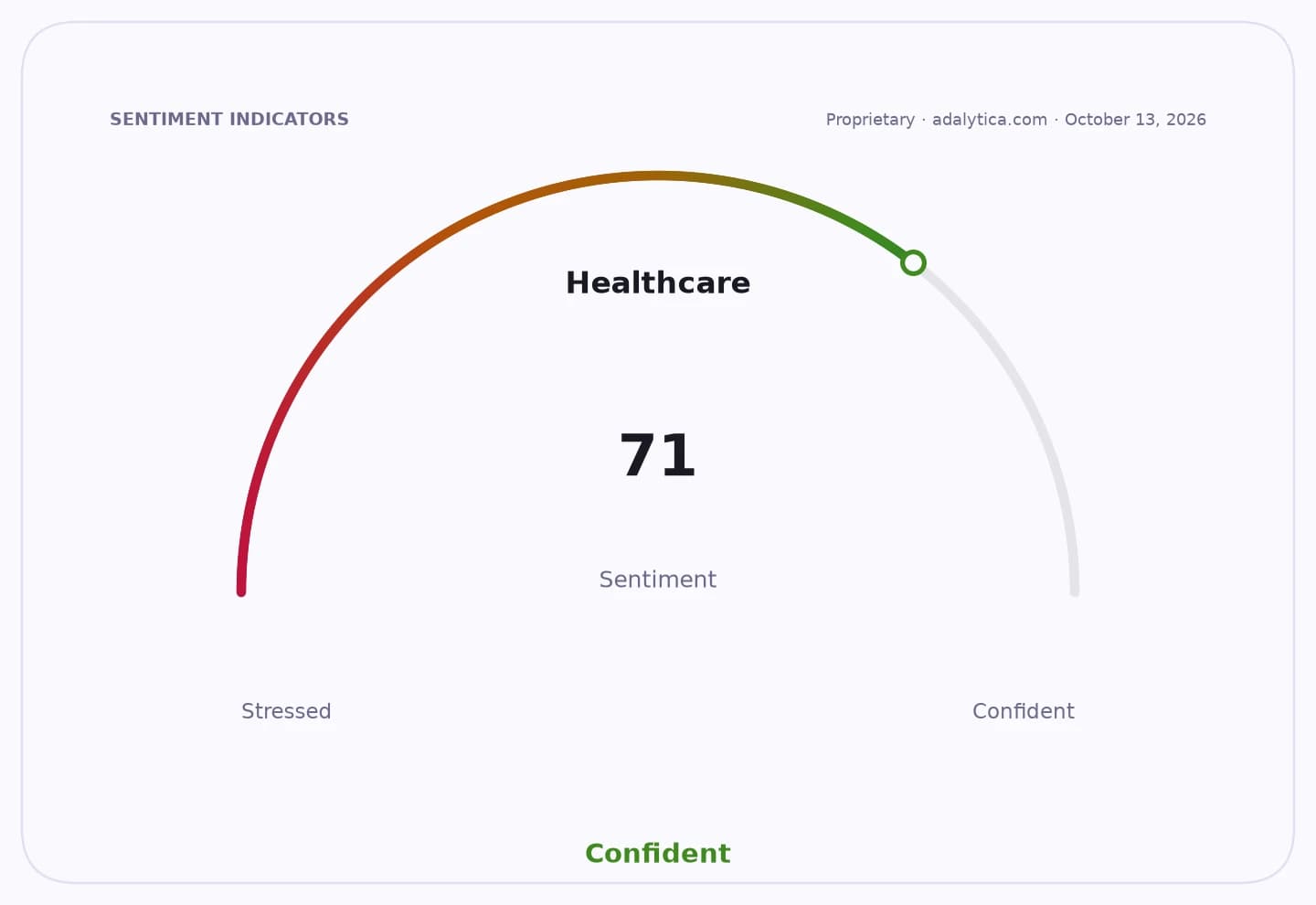
Sentiment IndicatorsⓘProprietary · adalytica.com · October 18, 2026
This is a snapshot — live sentiment, awareness and momentum for 130+ markets update continuously in the dashboard.Open AlphaPulse
The dispute also reflects the broader pressure on health systems in Europe, where rising demand and tighter budgets are colliding. In Poland, patients are increasingly seeking treatment abroad because of long queues and financial barriers at home, and the National Health Fund has lifted spending on foreign care by 5% from a year earlier, a sign that access problems are already pushing costs beyond national borders.
For investors, the political deadlock is less about one line item than about the durability of healthcare funding. Uncertainty over reimbursement, patient compensation and state support can weigh on healthcare providers, insurers and fund managers with exposure to the sector, while any move toward clearer, better-funded coverage would be a positive for demand and reimbursement visibility.
Healthcare — 30-day sentimentadalytica.com
Explore this data interactively — full history, time series and cross-market comparisons.Open AlphaPulse
Adalytica’s healthcare spending sentiment is currently at 82, in “Greed” territory, but awareness is only 7, suggesting investors are still underpricing the policy risk even as the debate intensifies. With wage inflation sentiment also elevated, the next catalyst is likely to be further government clarification on compensation for the chronically ill and whether that unlocks passage of the budget.
| Entity | Gains | Losses |
|---|---|---|
| Chronically ill patients | ▲Better compensation | ▼Budget delay |
| Hospitals and providers | ▲Clearer funding plan | ▼Ongoing uncertainty |
| Insurers and healthcare investors | ▲Policy clarity | ▼Reimbursement risk |
| Government coalition | ▲Budget passage if deal is struck | ▼Political pressure if talks fail |