The White House is moving to take a harder line on healthcare spending, canceling subsidies for more than 180,000 people it says were dead and shutting down duplicate Obamacare and Medicaid enrollments in a push that could reshape how investors think about government-backed health insurance programs.
White House tightens ACA and Medicaid enrollment checks
That matters because healthcare subsidies and Medicaid are not just policy line items. They are a major flow of public money through the system, and when regulators get serious about eligibility checks, enrollment integrity and duplicate payments, it can alter the economics for insurers, managed-care companies and the providers that depend on those dollars. Less waste is good for taxpayers, but it can also mean fewer covered lives and more administrative friction in programs where scale is everything.
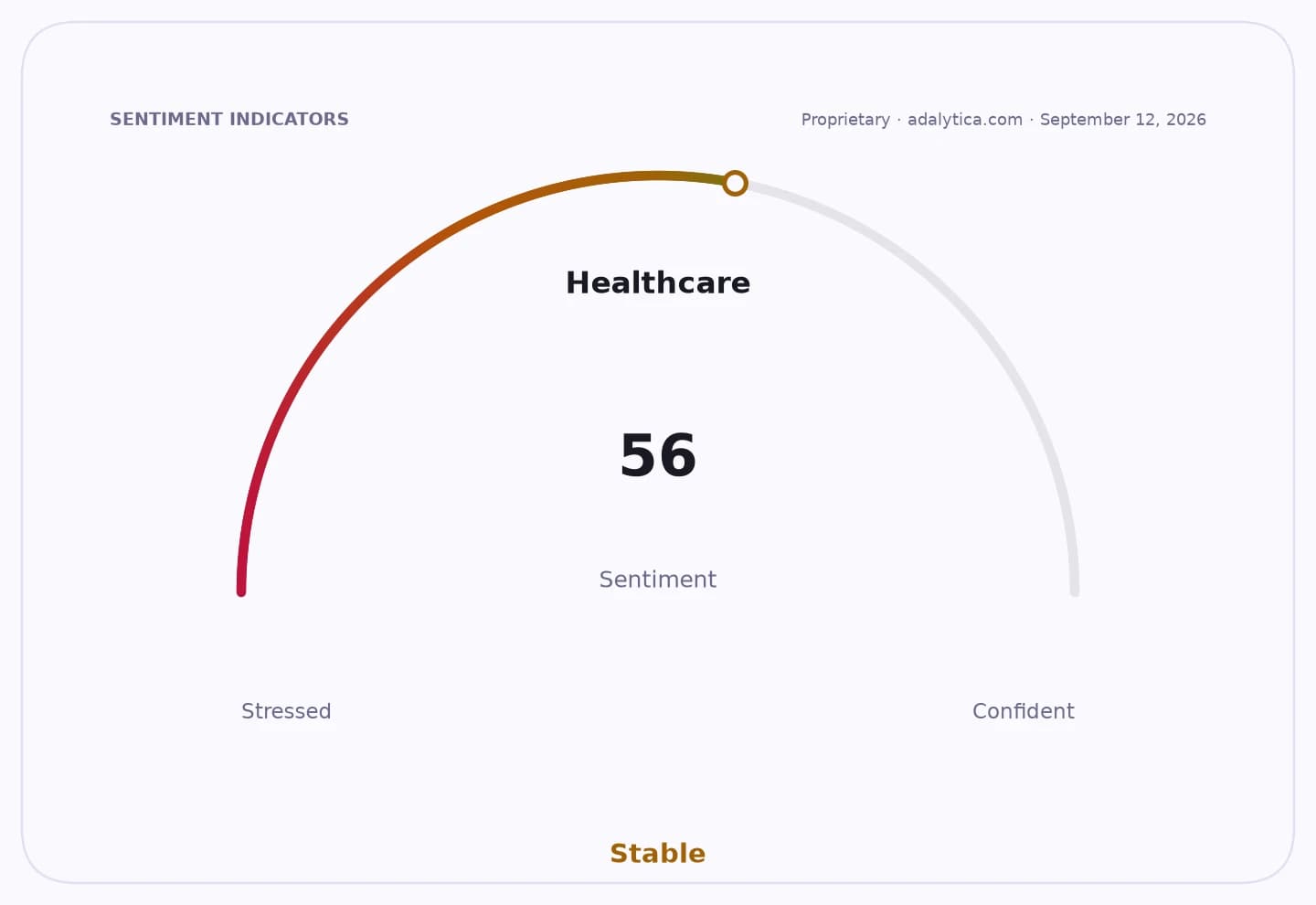
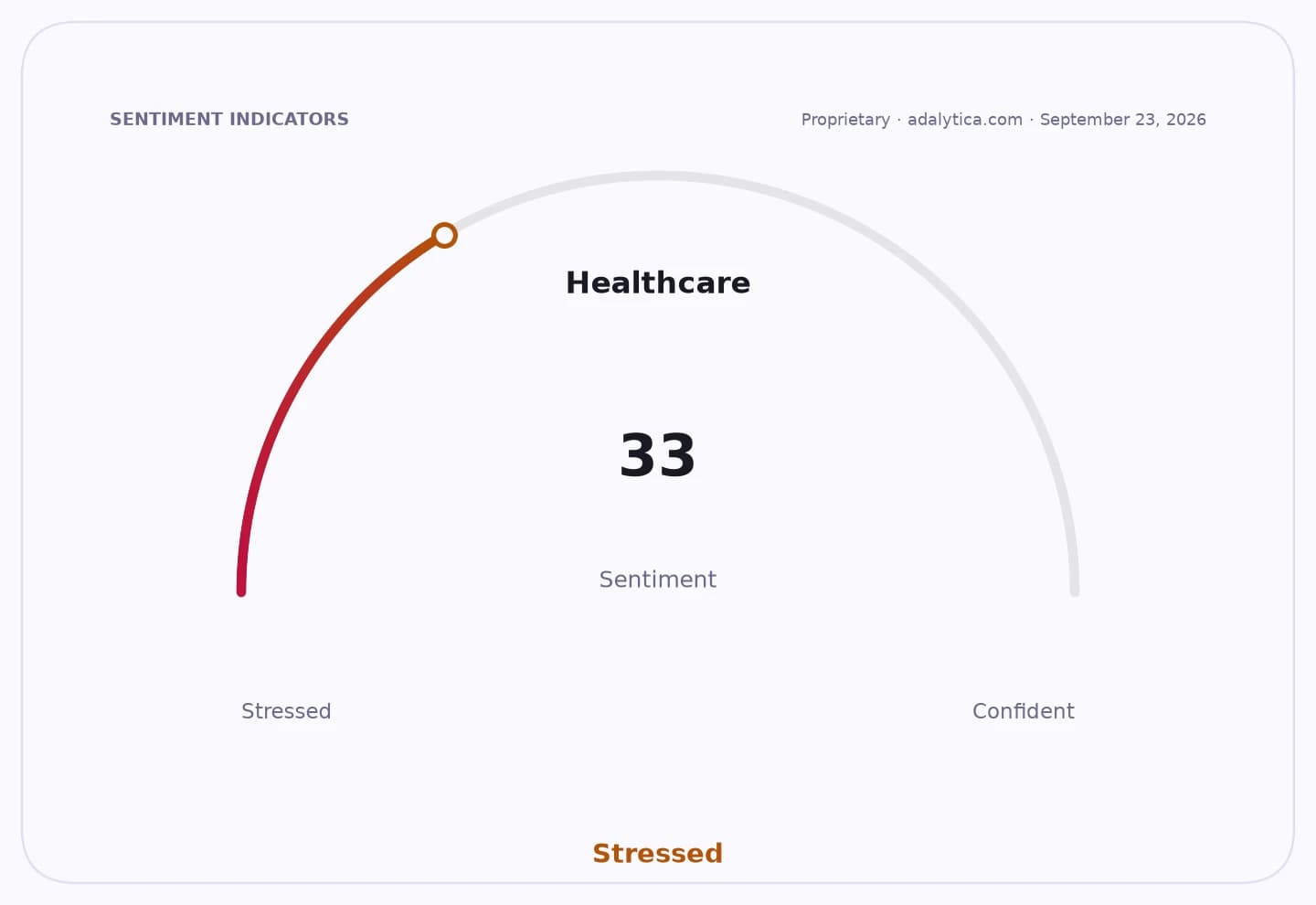
Sentiment IndicatorsⓘProprietary · adalytica.com · October 15, 2026
This is a snapshot — live sentiment, awareness and momentum for 130+ markets update continuously in the dashboard.Open AlphaPulse
Centers for Medicare & Medicaid Services Administrator Mehmet Oz said the task force has already saved taxpayers nearly $6 billion, while the administration says it has now stopped a total of 750,000 fraudulent Obamacare enrollments in the past month. Vice President JD Vance framed the effort as overdue cleanup after what he called a period when the government was not properly checking whether people receiving subsidies were actually entitled to them.
For investors, the key issue is not the political rhetoric. It is whether this marks a broader tightening of the rules around ACA subsidies, Medicaid enrollment and payment integrity. That could pressure insurers with heavy exposure to government-sponsored coverage if membership rolls shrink or if more claims and eligibility audits slow down growth. It could also help lower losses from fraud and improper payments over time, improving the quality of earnings for companies that can adapt quickly.
UnitedHealth Group, CVS Health and Cigna all sit close to this policy current. UnitedHealth has already flagged changes in Medicaid membership in its filings, while CVS and Cigna have both warned about government policy and funding uncertainty in their health businesses. Those companies can benefit if cleaner programs reduce bad costs and payment leakage, but they also face the risk that a tougher eligibility environment trims enrollment or changes the mix of members they serve.
The bigger narrative is simple: Washington is trying to prove it can police healthcare dollars better, and that shift could reverberate across the managed-care industry for years. Investors should watch not only for more enforcement headlines, but for whether the crackdown changes enrollment trends, medical cost ratios and margins across the sector. For long-term shareholders, this is worth watching closely — and, in a diversified portfolio, worth understanding rather than dismissing as just another political announcement.
| Entity | Gains | Losses |
|---|---|---|
| Taxpayers | ▲Less waste | ▼More bureaucracy |
| Federal health programs | ▲Better integrity | ▼Slower enrollments |
| Managed-care insurers | ▲Cleaner claims | ▼Fewer subsidized lives |
| Fraudulent enrollees | ▲Nothing | ▼Lost payouts |