Nigeria has approved N40.76 billion for its basic health care provision fund in the third quarter of 2026, a bigger release that is meant to speed spending on primary care, disease response and health insurance coverage for vulnerable groups.
Nigeria approves N40.76 billion for basic health fund
The allocation is N7.88 billion higher than the N32.88 billion approved for the second quarter, underscoring a step-up in federal health financing as Abuja pushes to widen access under the renewed hope agenda and the Nigeria Health Sector Renewal Investment Initiative.

Health Minister Ali Pate said the money will flow through four gateways, with the National Health Insurance Authority set to receive N19.87 billion, the National Primary Health Care Development Agency N18.34 billion, the National Emergency Medical Services and Ambulance System N2.04 billion and the Nigeria Centre for Disease Control and Prevention N509.48 million.
For investors and suppliers tied to Nigeria’s health system, the bigger issue is execution. Pate said monthly statutory releases into the fund have risen from about N8.95 billion to N13.08 billion and then to N20.43 billion, but the government is now demanding faster disbursement, tighter financial controls and clearer links between spending and outcomes.
The committee also approved health insurance coverage for about 90,000 inmates in correctional facilities, a signal that the public health net is widening beyond standard outpatient care. It also backed pooled procurement through MEDIPOOL under the NPHCDA gateway, a move designed to improve pricing discipline, supply-chain oversight and availability of essential medicines.
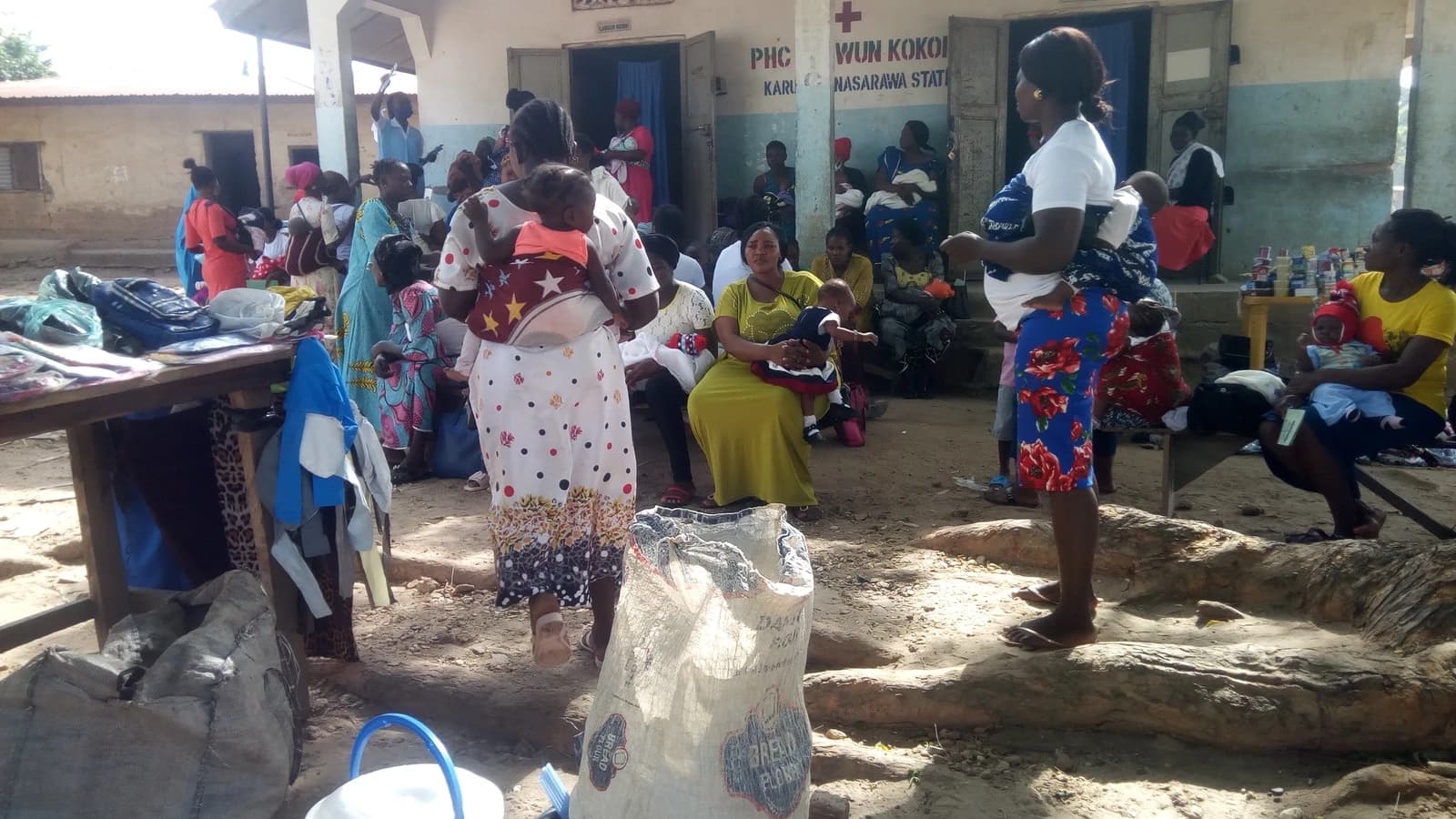
The plan to expand BHCPF support from 8,309 to 13,521 primary health centres could broaden demand for drugs, diagnostics, logistics and staffing across all 36 states and the Federal Capital Territory. The minister said the government is also considering phased financing to help states recruit and absorb skilled birth attendants and community-based health workers, while a new subcommittee will investigate bottlenecks in fund flow within six weeks.
For healthcare investors, the near-term read-through is improved public spending visibility, but also greater scrutiny on procurement, gateway efficiency and anti-corruption controls as the Independent Corrupt Practices Commission is brought in to track funds. The next catalyst is whether the new disbursement rules translate into faster field-level spending and more reliable payments to facilities, suppliers and contractors.
| Entity | Gains | Losses |
|---|---|---|
| NHIA, NPHCDA, NEMSAS, NCDC | ▲Larger quarterly allocations | ▼Greater oversight and reporting |
| Primary healthcare centres | ▲More funding and coverage | ▼Pressure to absorb funds fast |
| Suppliers and contractors | ▲Broader procurement demand | ▼Tougher pricing and transparency checks |
| Taxpayers and patients | ▲Wider access to care | ▼Risk if fund flow bottlenecks persist |