Hungary’s government is set to make public a healthcare reform study ordered under the Orbán administration and kept classified for a decade, putting a politically sensitive blueprint for hospital closures, primary-care changes and a bigger role for private providers into the open.
Hungary to publish long-secret healthcare reform study
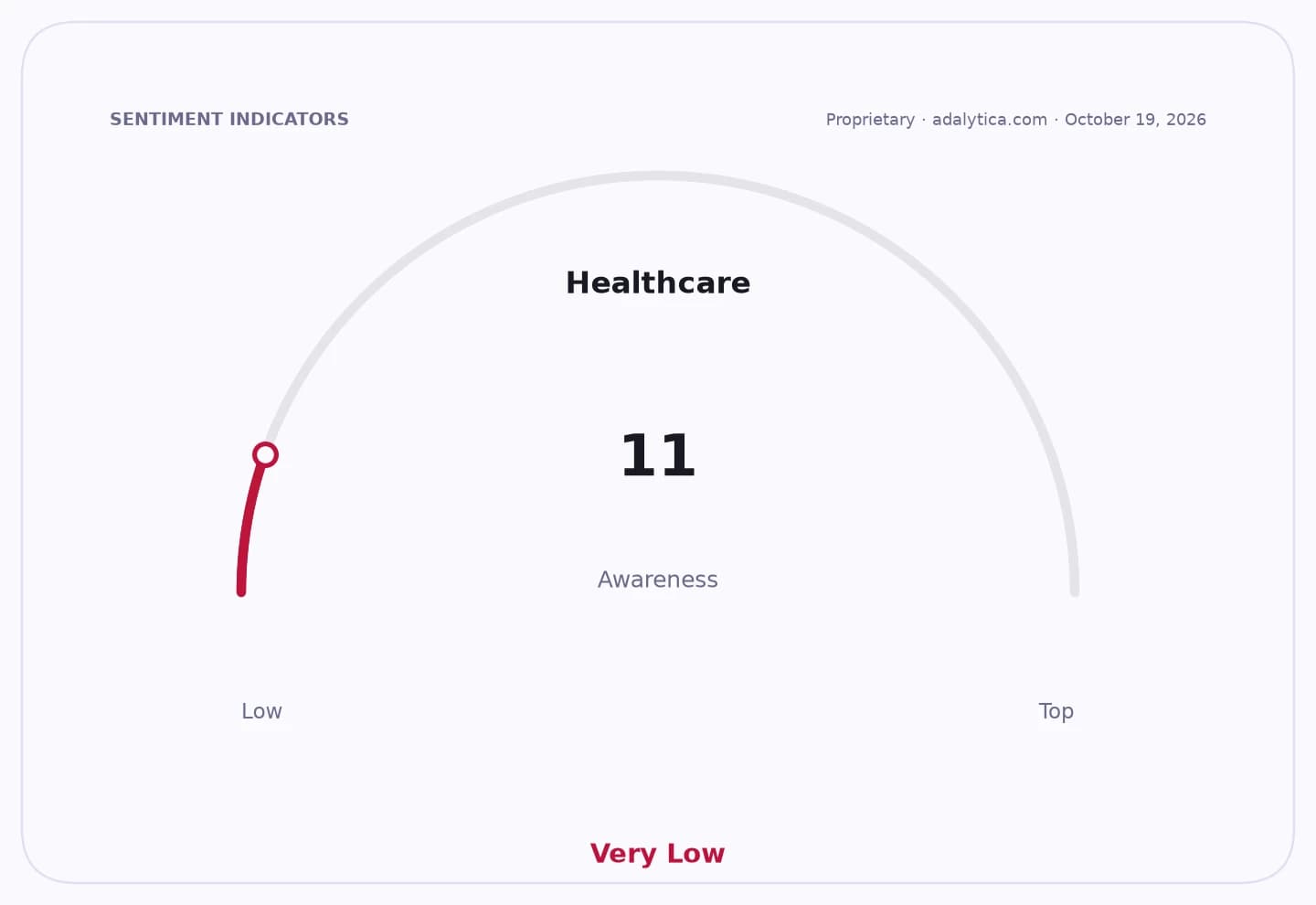
The disclosure matters because the document was paid for with more than 300 million forints of public money and appears to outline structural changes that could reshape how care is delivered and financed in a system already under strain. Health minister Zsolt Hegedűs said the government will publish three key documents by late October or early November, including the long-suppressed Boston Consulting Group reform paper, a national healthcare inventory and Hungary’s health strategy.
Sentiment IndicatorsⓘProprietary · adalytica.com · October 19, 2026
This is a snapshot — live sentiment, awareness and momentum for 130+ markets update continuously in the dashboard.Open AlphaPulse
The reform paper, commissioned by the Interior Ministry, reportedly recommended a radical reduction in the number of hospitals and outpatient clinics, a redesign of the family doctor network and an opening toward private healthcare. For investors and providers, that points to a policy shift that could change the economics of Hungary’s medical sector by altering patient flows, state spending and the mix of public and private demand.
The government is also promising transparency around its 2027 budget commitments, including an extra 500 billion forints for the Hugonnai Vilma healthcare program. That increases the stakes for suppliers, hospital operators and insurers watching whether Budapest is preparing a larger state-funded rebuild or a further transfer of care into private hands.
The move comes as Hungary’s healthcare system faces intense scrutiny over deteriorating hospital conditions and capacity pressures, making the release of the reform blueprint more than a disclosure exercise. It could sharpen the political debate over years of underinvestment and force a fresh assessment of who benefits if the state trims facilities while trying to modernize care.
For investors, the key question is whether the publication marks the start of actual reform or simply the airing of a buried plan. The answer will shape expectations for healthcare spending, procurement and private-sector opportunities in the months ahead.
| Entity | Gains | Losses |
|---|---|---|
| Hungarian government | ▲Transparency narrative | ▼Secrecy over reform plan |
| Private healthcare providers | ▲Potentially larger role | ▼State monopoly on care |
| Public hospitals | ▲Possible modernization funds | ▼Closure and consolidation risk |
| Patients and doctors | ▲Clarity on future policy | ▼Disruption from restructuring |