Apple’s move above a $5 trillion market value is more than a headline — it is a reminder that Berkshire Hathaway’s biggest stock position is still powered by one of the strongest cash machines in corporate America.
Apple hits $5 trillion; Berkshire keeps holding
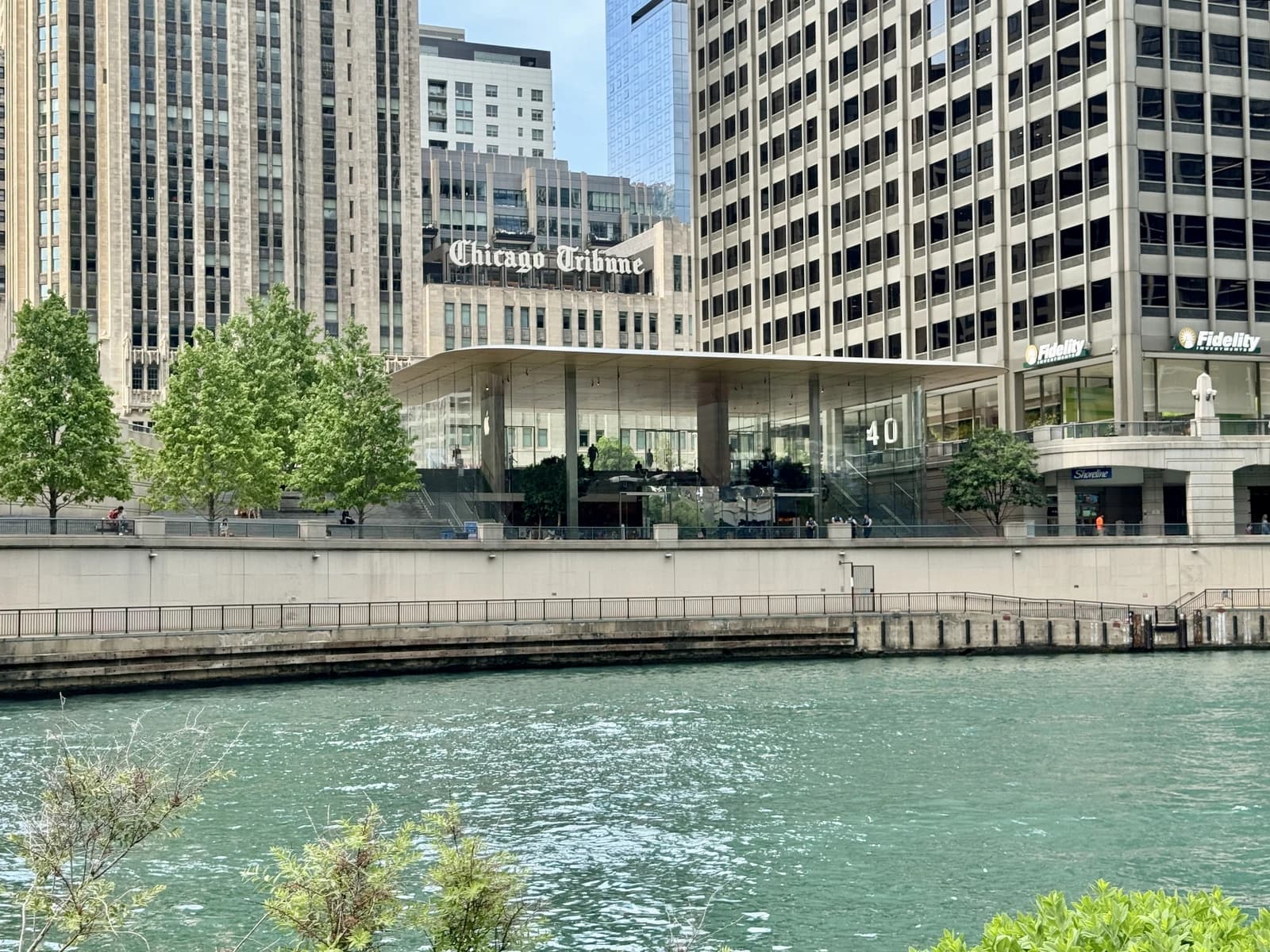
For investors, the real story is not just that Apple joined an ultra-exclusive club. It is that Greg Abel, Warren Buffett’s successor, appears content to keep the Berkshire portfolio anchored to the kind of business Buffett long admired: one with pricing power, an enormous installed base and the kind of recurring cash flow that compounds over years, not quarters. Apple still makes up about 22% of Berkshire’s public equity portfolio, so its strength matters directly to Berkshire shareholders as well.
That matters economically because Apple has shown it can grow even while facing tariffs, legal scrutiny and a tougher consumer backdrop. In the fiscal third quarter ended June 27, Apple’s revenue rose 16% year over year to $109.4 billion, while earnings per share climbed 29% to $2.02. The iPhone, still the engine of the business, posted sales of $54.3 billion, up 21.6%, as the iPhone 17 cycle drove what Apple called stronger-than-expected demand.
The company’s latest run underscores why it remains such a powerful long-term holding. Apple now has more than 2.5 billion active devices in use, giving it a massive ecosystem that supports services revenue, upgrades and new products such as AirPods, Apple Watch and, potentially, its first foldable phone, the iPhone Duo. That ecosystem is the moat. It is also why Apple can keep generating substantial free cash flow and return capital even as rivals spend aggressively on artificial intelligence.
For investors, that combination is hard to ignore. Apple has not needed to win the AI arms race to reward shareholders; instead, it has used AI to make its devices more useful and to keep customers inside its ecosystem. The stock’s climb to a $5 trillion valuation reflects confidence that the formula still works: premium hardware, recurring services, disciplined capital allocation and a huge base of loyal users.
Berkshire’s own share price has tracked that confidence. The company’s Class B stock is near record territory, and Abel’s early stewardship suggests continuity rather than upheaval. That should reassure long-term holders who worry about a post-Buffett Berkshire losing its investment identity.
The risk, of course, is valuation. Apple is no longer cheap, and a company this large cannot grow at double-digit rates forever. But for patient investors, the bigger takeaway is simpler: businesses with durable ecosystems, repeat customers and abundant cash flow tend to outlast the market’s latest obsession. Apple still fits that profile.
If you are building wealth over the next five to 10 years, Apple remains one of the clearest examples of a business that can compound through cycles. Berkshire clearly thinks so, and Greg Abel is signaling he does too. Worth watching — and, for long-term investors, worth keeping on the buy list.
| Entity | Gains | Losses |
|---|---|---|
| Apple | ▲$5 trillion milestone | ▼Late bulls chasing a bargain |
| Berkshire Hathaway | ▲Portfolio value support | ▼Investors wanting a big shift |
| Greg Abel | ▲Buffett-style continuity | ▼Activists seeking change |
| Competitors | ▲Benchmark pressure | ▼Market share in premium devices |