Apple’s first foldable iPhone may be expensive enough to reshape the premium smartphone trade, and the real winners could be the suppliers that feed its harder-to-build hardware stack.
Apple foldable iPhone outlook lifts TSMC and Amphenol
That is the key takeaway from Citi’s latest note ahead of Apple’s Sept. 9 product event. The bank expects Apple’s foldable iPhone Ultra to start above $2,000, with the iPhone 18 Pro models also set to rise by about $200 apiece. In a market that has been waiting for Apple to refresh growth with a genuinely new form factor, the pricing alone shows Cupertino is leaning into margin-rich premiumization rather than unit-driven volume.
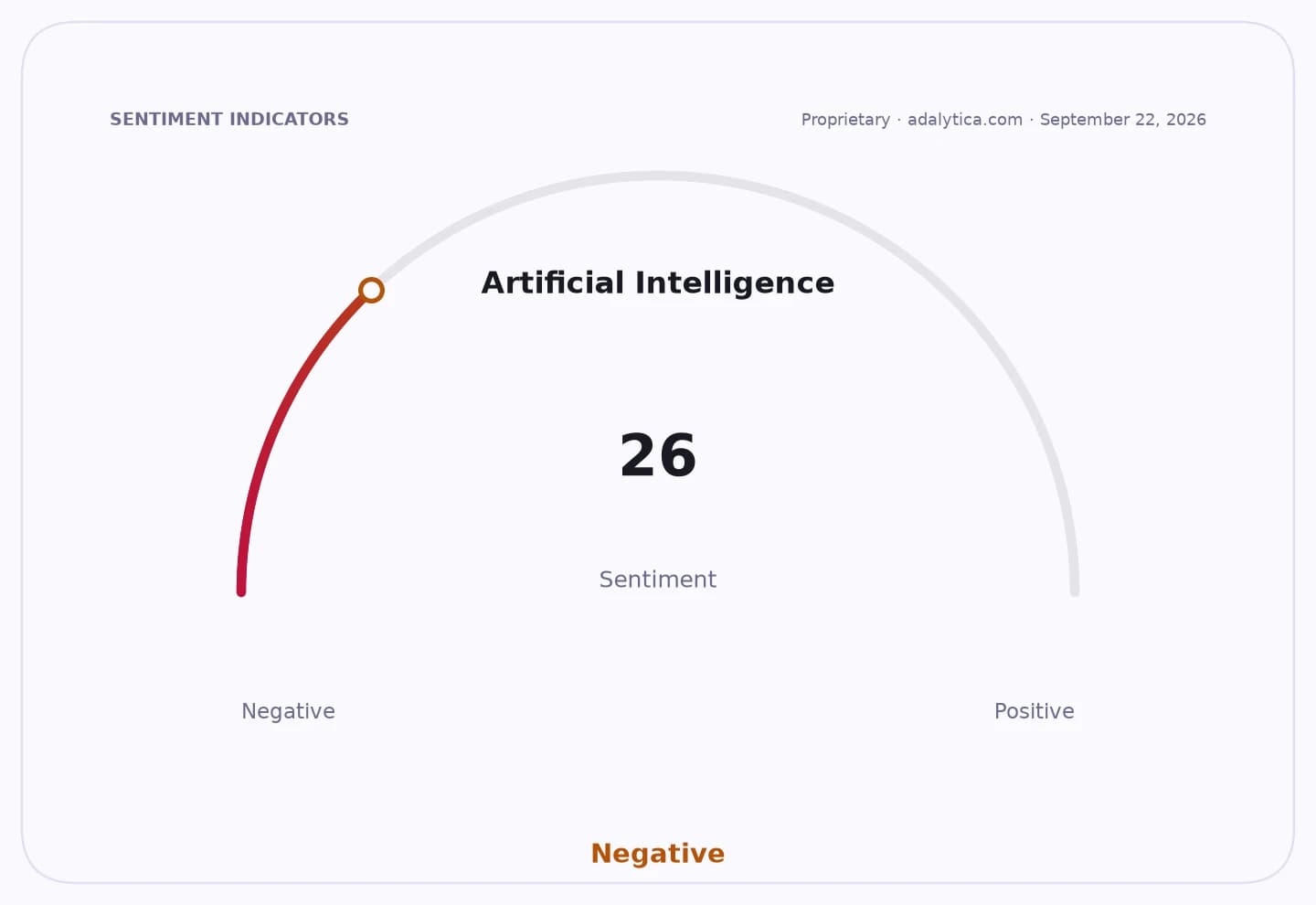
Sentiment IndicatorsⓘProprietary · adalytica.com · September 5, 2026
This is a snapshot — live sentiment, awareness and momentum for 130+ markets update continuously in the dashboard.Open AlphaPulse
For investors, that matters because Apple is not just selling a phone; it is seeding an entire replacement cycle across chips, cameras, hinges, cooling and structural components. Citi says the foldable model should include dual front and rear camera systems, an OLED panel with ultra-thin glass for the inner screen, a larger battery and vapor-chamber cooling, all of which raise component content per device. That is exactly the kind of product shift that turns Apple launches into supplier earnings events.
The most compelling opportunity is not necessarily Apple itself, which is already a mature megacap with limited near-term unit upside. It is the pick-and-shovels trade. TSMC stands out as the clearest beneficiary if Apple’s A20 chip is built on the foundry’s 2-nanometer process, reinforcing its status as a sole supplier for one of the most valuable chips in consumer electronics. Amphenol also screens as a direct winner if hinge modules become a meaningful new line item in a foldable design. In other words, Apple’s move into foldables may create more operating leverage for suppliers than for the handset maker itself.
The market should also pay attention to timing and scale. Citi’s forecast for 7.5 million foldable units in the second half of 2026, followed by 4 million more in the first quarter of 2027, suggests the category starts small. That is not a reason to dismiss it. It is a reason to focus on the initial supply bottlenecks and the pricing power that comes with limited availability. Nikkei Asia reported production is still constrained to only a few hundred units a day because of Apple’s quality standards, which means early demand could outstrip supply and keep the product in the spotlight longer.
Apple shares were little changed in premarket trading, but the bigger setup is in the ecosystem. TSMC rose more than 1% and Amphenol added more than 1.5%, a reminder that the market tends to underprice Apple cycle upgrades until the supply chain starts printing evidence. Apple’s own shares have already rallied into the event, but the more asymmetric trade may be in the vendors exposed to higher content per device and a longer-running premium upgrade cycle.
Apple also appears to be layering in a broader iPhone 18 refresh beyond the foldable. Citi expects major upgrades including the A20 chip, variable-aperture cameras and Apple’s own modems. That combination points to a tighter integration strategy that could deepen dependence on advanced manufacturing and high-value component suppliers even as Apple controls more of the stack internally.
Our thesis is simple: the market is still thinking about an iPhone launch, when it should be thinking about a capital-allocation event across the smartphone supply chain. If Apple executes on a $2,000 foldable and sustains premium demand, the next leg of value creation may accrue to the companies that build the most complex parts, not the company that gets the headline. For investors, that means staying long the semiconductor and component toll roads tied to Apple’s next hardware inflection.
| Entity | Gains | Losses |
|---|---|---|
| Apple | ▲Higher ASPs | ▼Unit volume risk |
| TSMC | ▲2nm chip demand | ▼Capacity strain |
| Amphenol | ▲Foldable hinge content | ▼Design execution risk |
| Consumers | ▲New premium form factor | ▼$2,000+ price tag |