Carl Pei is making the most important move yet in Nothing’s playbook: spinning out CMF into an independent Indian company with majority Indian ownership, a headquarters in India and research and development done there. For investors watching the global smartphone industry, that matters because the next durable winners won’t just assemble phones — they’ll design them, engineer them and control more of the value chain.
CMF spins out as Indian company with local R&D
That is the real economic shift behind Pei’s announcement. India has already achieved the first stage of industrialization in smartphones: 99% of phones sold in the country are now made locally. The next stage is harder, and more profitable. It is where product decisions, component selection, software support and engineering talent determine margins, pricing power and export potential.
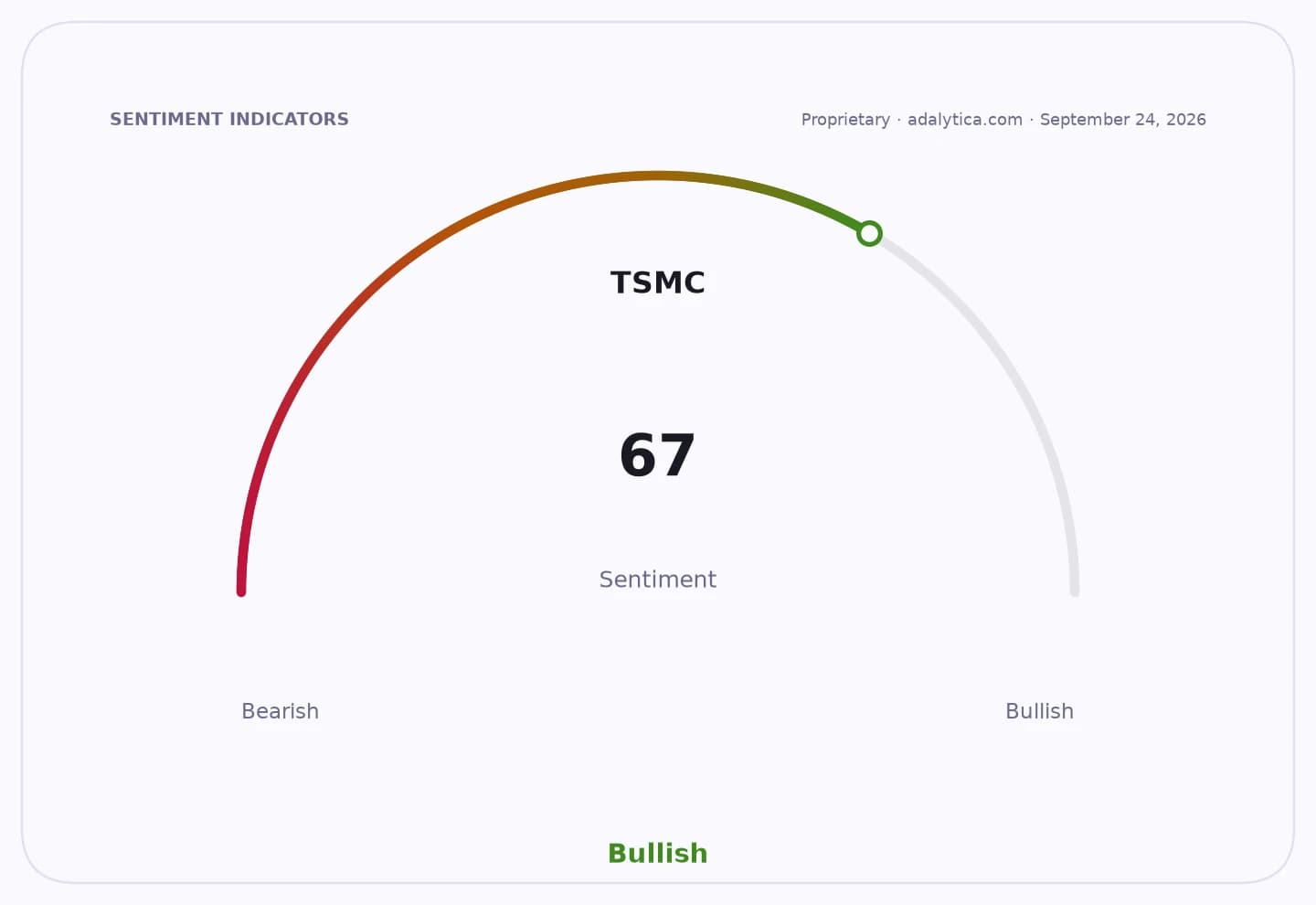
Sentiment IndicatorsⓘProprietary · adalytica.com · September 25, 2026
This is a snapshot — live sentiment, awareness and momentum for 130+ markets update continuously in the dashboard.Open AlphaPulse
Pei is essentially arguing that manufacturing without R&D is not enough. A brand can switch colors and buy a finished design from a factory partner, but it cannot build long-term loyalty or category leadership that way. The companies that win over years, not quarters, are the ones that can push suppliers for better displays, tougher materials, thinner camera modules and better software updates. That is how China moved from low-end assembly to an ecosystem that helped create OLED panels, in-display fingerprint sensors and stronger local component champions.
For India, the timing is strategic. The country has a massive domestic market of more than 150 million smartphone purchases a year, a government intent on turning India into an export hub, and a growing base of manufacturing capacity. What it still lacks, Pei says, is a brand strong enough to force engineering demands deeper into the supply chain. If CMF can become that brand, the payoff could extend well beyond one handset line.
For investors, the implication is broader than CMF itself. The winner in consumer electronics is rarely the lowest-cost assembler; it is the company that can command ecosystem influence, develop intellectual property and keep improving products year after year. That is why the story matters to suppliers, contract manufacturers and chip, display and camera-module vendors across Asia. It also helps explain why companies with real design control and software depth tend to compound value more reliably than those that simply source and resell.
There are risks, of course. Building true R&D capability takes time, capital and management discipline, and India has yet to prove it can replicate China’s engineering depth at scale in smartphones. But if Pei is right, the opportunity is large: a locally built brand that can still think globally.
For long-term investors, the takeaway is simple. CMF’s shift into India is not just a branding exercise — it is a bet that real engineering creates durable businesses. That makes it worth watching, especially for anyone looking for the next compounding story in global consumer tech.
| Entity | Gains | Losses |
|---|---|---|
| CMF | ▲Indian ownership, local R&D | ▼Low-value assembly model |
| India | ▲More engineering jobs, exports | ▼Dependence on foreign design |
| Nothing | ▲Bigger ecosystem reach | ▼Some control over CMF |
| Global rivals | ▲Clearer competition | ▼Easy manufacturing advantage |