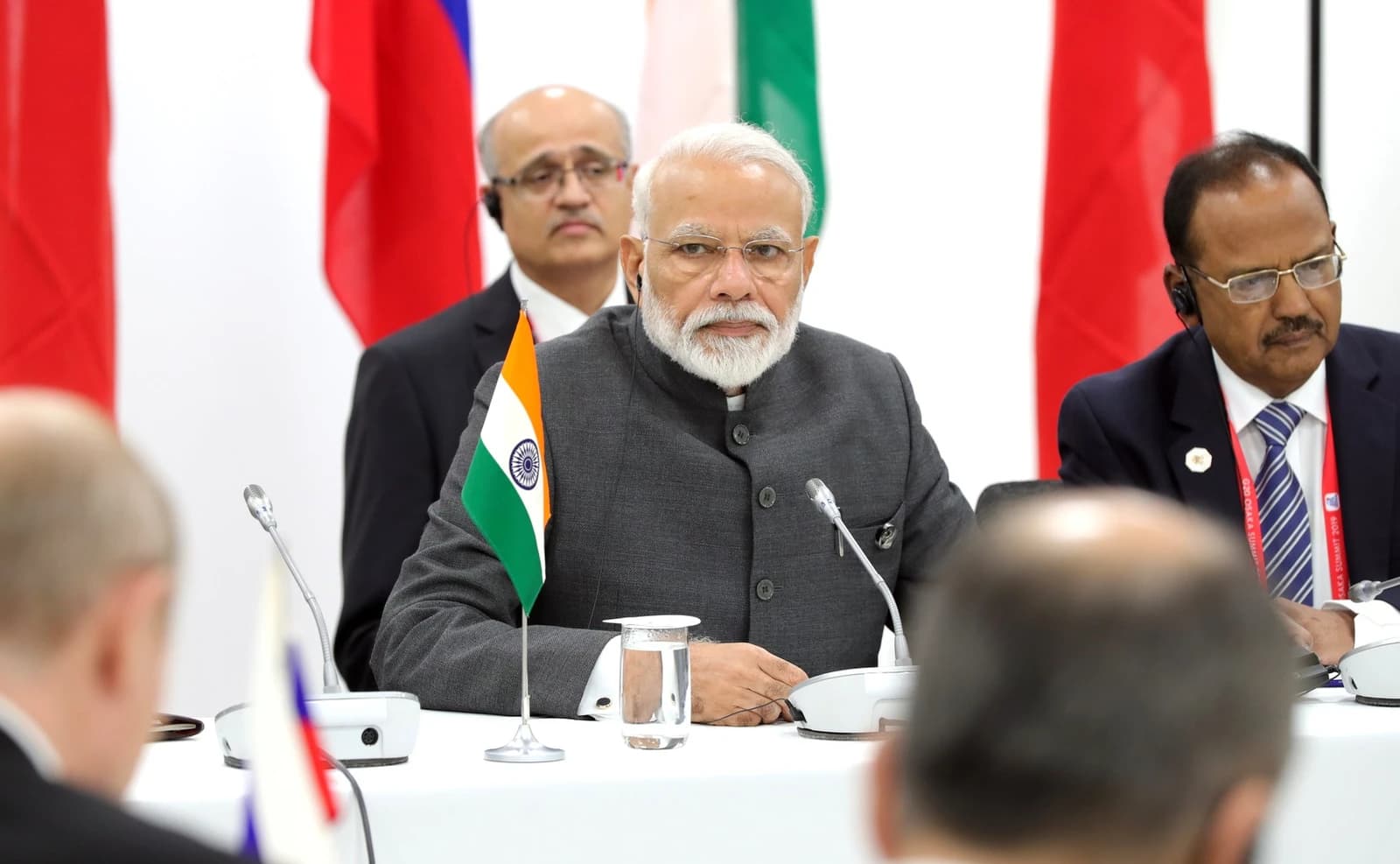
India is trying to turn semiconductor manufacturing into a strategic industrial moat, and Prime Minister Narendra Modi’s pitch for the country as a “trusted” chip hub is the clearest sign yet that the competition for global fabrication capacity is moving beyond Taiwan, the U.S. and China.
India Semiconductor Buildout Draws Global Investment
That matters because chips are no longer just another manufacturing line item. They are the bottleneck for AI, defense, autos, telecoms and industrial automation, which means every new fab, assembly plant and equipment order can ripple through capital spending, trade flows and supply-chain alignment. Modi said 12 chip-making projects have already been approved, and the next phase will see those numbers rise further, underscoring that India is no longer selling a concept but building an investable ecosystem.
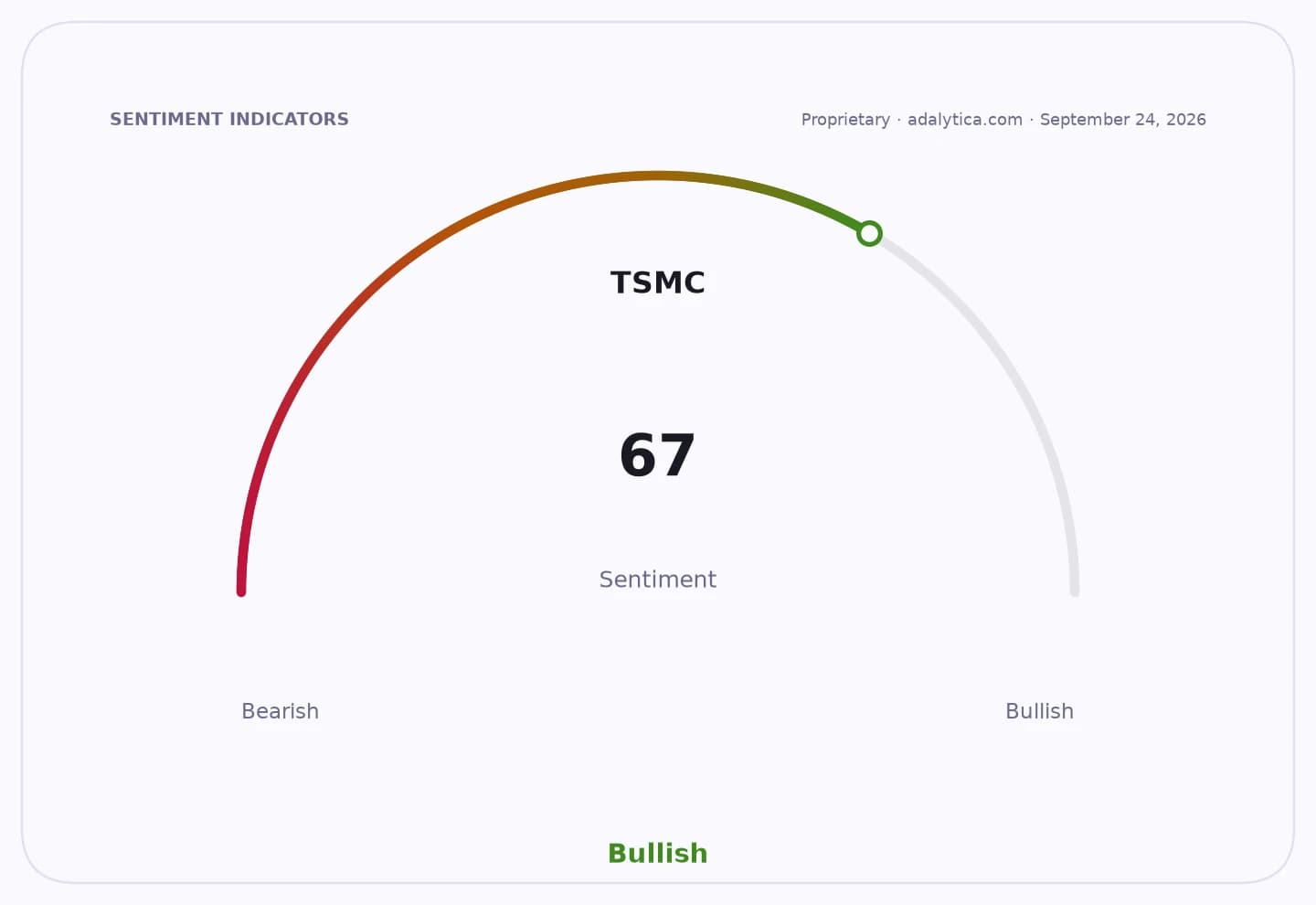
Sentiment IndicatorsⓘProprietary · adalytica.com · September 19, 2026
This is a snapshot — live sentiment, awareness and momentum for 130+ markets update continuously in the dashboard.Open AlphaPulse
The economic logic is straightforward: governments and companies want redundancy. After years of geopolitical shocks, export controls and concentrated production risks, “trusted” manufacturing is becoming a premium category. India is positioning itself to capture that premium by pairing state support with a vast labor pool, a growing domestic market and a diplomatic message aimed at the West, Japan and other allies looking to diversify away from China-centric supply chains.
The scale is still early, but the signal is strong. At SEMICON India, the event drew 600 exhibitors, including 300 foreign companies, and 15,000 investors, a level of participation that suggests global chip capital is actively scouting the country rather than merely observing it. The approvals already in hand represent more than Rs 1.64 lakh crore in investment, giving the push enough heft to move from rhetoric toward industrial buildout.
For investors, the opportunity is not just in India’s eventual chip output. The bigger near-term trade is in the picks-and-shovels: wafer equipment makers, materials suppliers, specialty chemicals, precision manufacturing tools, packaging, testing and industrial real estate. Applied Materials has already committed $5 billion, and Tata Electronics is lining up partnerships across Japan, Europe, the U.S. and India, which is exactly how a new semiconductor corridor begins — with ecosystem capital before meaningful chip revenue shows up.
That is why the market may still be underestimating the second-order winners. Taiwan Semiconductor Manufacturing Co. remains the benchmark for foundry scale, while Intel is trying to prove its own manufacturing revival, but India’s entry changes the geography of future capacity growth. It does not replace Taiwan or the U.S.; it adds a new node to the global network, and that creates incremental demand for tools, process technology, logistics and advanced packaging.
The macro backdrop also helps. India wants to move up the value chain, reduce import dependence and claim a larger share of strategic manufacturing. For multinationals, the incentive is just as clear: diversify production, hedge political risk and secure capacity in a market aligned with U.S. and allied supply-chain priorities. In a world where chipmaking is increasingly treated like infrastructure and less like pure manufacturing, that alignment carries valuation power.
The investable takeaway is that India’s chip story is now about platform formation, not just project announcements. If the government keeps approvals moving and foreign partners keep committing capital, the next leg of upside should accrue first to equipment, materials and industrial services, and only later to the fabs themselves. That is where the asymmetry still sits.
| Entity | Gains | Losses |
|---|---|---|
| India | ▲Foreign chip investment | ▼Reliance on imports |
| Applied Materials | ▲New fab-equipment demand | ▼None immediately |
| Tata Electronics | ▲Strategic partnerships | ▼Execution risk |
| Taiwan/China-centric supply chains | ▲— | ▼Share of future capacity |