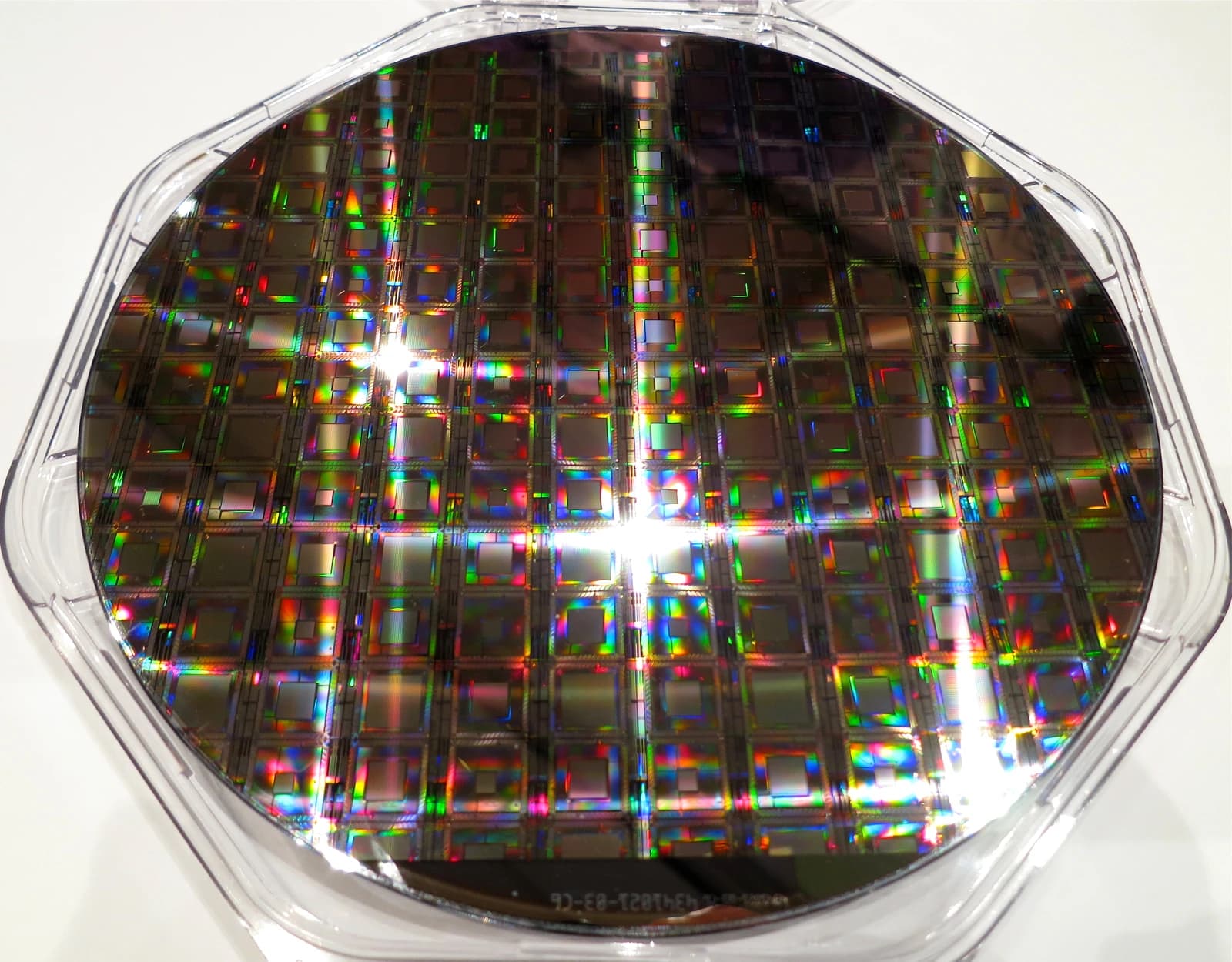
Odisha says five semiconductor projects are under construction and talks are underway on three more, underscoring how India’s chip-building push is moving from policy announcements to ground-level execution.
Odisha Says Five Semiconductor Projects Under Construction
The projects matter because semiconductors sit at the center of a broader industrial strategy: they are capital-intensive, pull in suppliers and equipment makers, and can anchor high-value manufacturing jobs. For investors, that makes Odisha’s pitch relevant not just to local developers but to global chipmakers, packaging specialists and tool vendors looking for a foothold in a market that is trying to reduce dependence on imported components.
Sentiment IndicatorsⓘProprietary · adalytica.com · September 20, 2026
This is a snapshot — live sentiment, awareness and momentum for 130+ markets update continuously in the dashboard.Open AlphaPulse
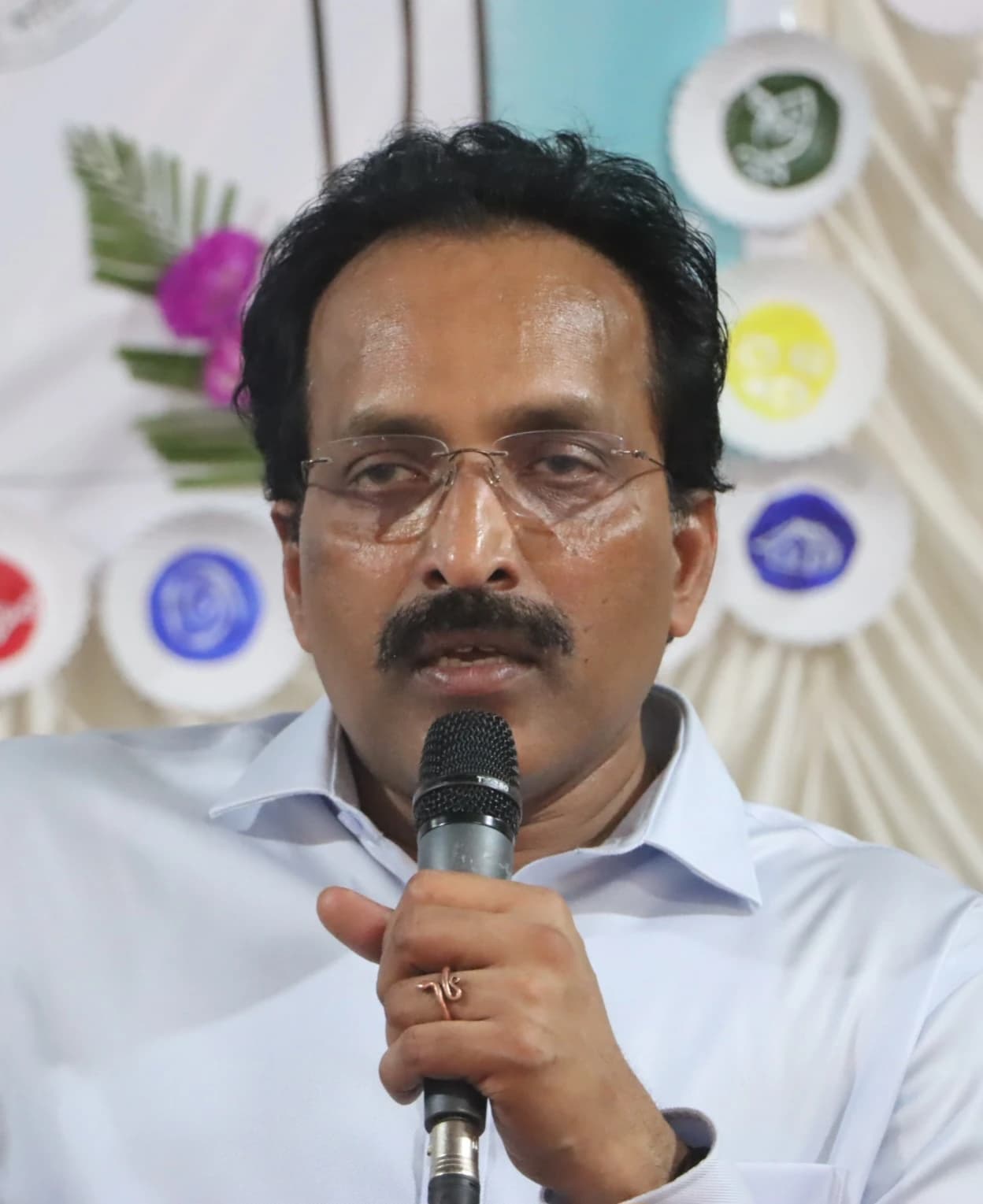
Chief Minister Mohan Charan Majhi said the state is engaging with around 10 to 12 companies from countries including Sweden and Japan at SEMICON India 2026. He said two of the 12 chip projects approved by the Centre under the India Semiconductor Mission — SiCSem Private Limited and 3D Glass Solutions — are in Odisha and are already under construction.
SiCSem is building a silicon carbide semiconductor fab and integrated packaging facility, while 3D Glass Solutions is developing an advanced glass substrate packaging plant. Those are among the more strategically important parts of the supply chain because packaging and substrates are increasingly tied to advanced chips used in power electronics, industrial systems and AI infrastructure.
Odisha also said it has separately approved five semiconductor projects worth about 11,000 crore rupees, or roughly $1.3 billion, expected to generate about 4,500 direct jobs and more than 16,000 indirect jobs. The state said it has identified 870 acres near Naraj, between Cuttack and Bhubaneswar, for a future semiconductor cluster and will offer additional capex support of up to 25% to projects approved under the India Semiconductor Mission.
The push comes as India tries to convert a wave of policy support into an actual manufacturing base, with SEMICON India 2026 used to showcase new lines and court foreign partners. For chip investors, the key question now is execution: whether state-backed incentives, land allocation and global tie-ups can shorten construction timelines and attract enough follow-on investment to build a cluster rather than a series of standalone plants.
| Entity | Gains | Losses |
|---|---|---|
| Odisha government | ▲Investment and jobs | ▼Fiscal outlays |
| Chipmakers and packaging firms | ▲Incentives and land access | ▼Higher execution risk |
| Equipment and materials suppliers | ▲New demand pipeline | ▼Delay if projects slip |
| Import-dependent electronics makers | ▲Local supply options | ▼Reliance on faster overseas builds |