Taiwan’s decision to break ground on a new advanced packaging industrial park in Kaohsiung matters because the next big constraint in artificial intelligence may not be chip design or wafer output, but the ability to package and validate those chips fast enough to ship them into data centers.
TSMC Breaks Ground on Kaohsiung Packaging Park
For investors, that is a reminder that the AI buildout remains a long runway, not a finished trade. TSMC’s advanced packaging sits at the center of the supply chain for Nvidia, AMD and Broadcom’s most powerful AI chips, and the new park is meant to tighten that ecosystem by bringing validation, testing and talent training closer to production.
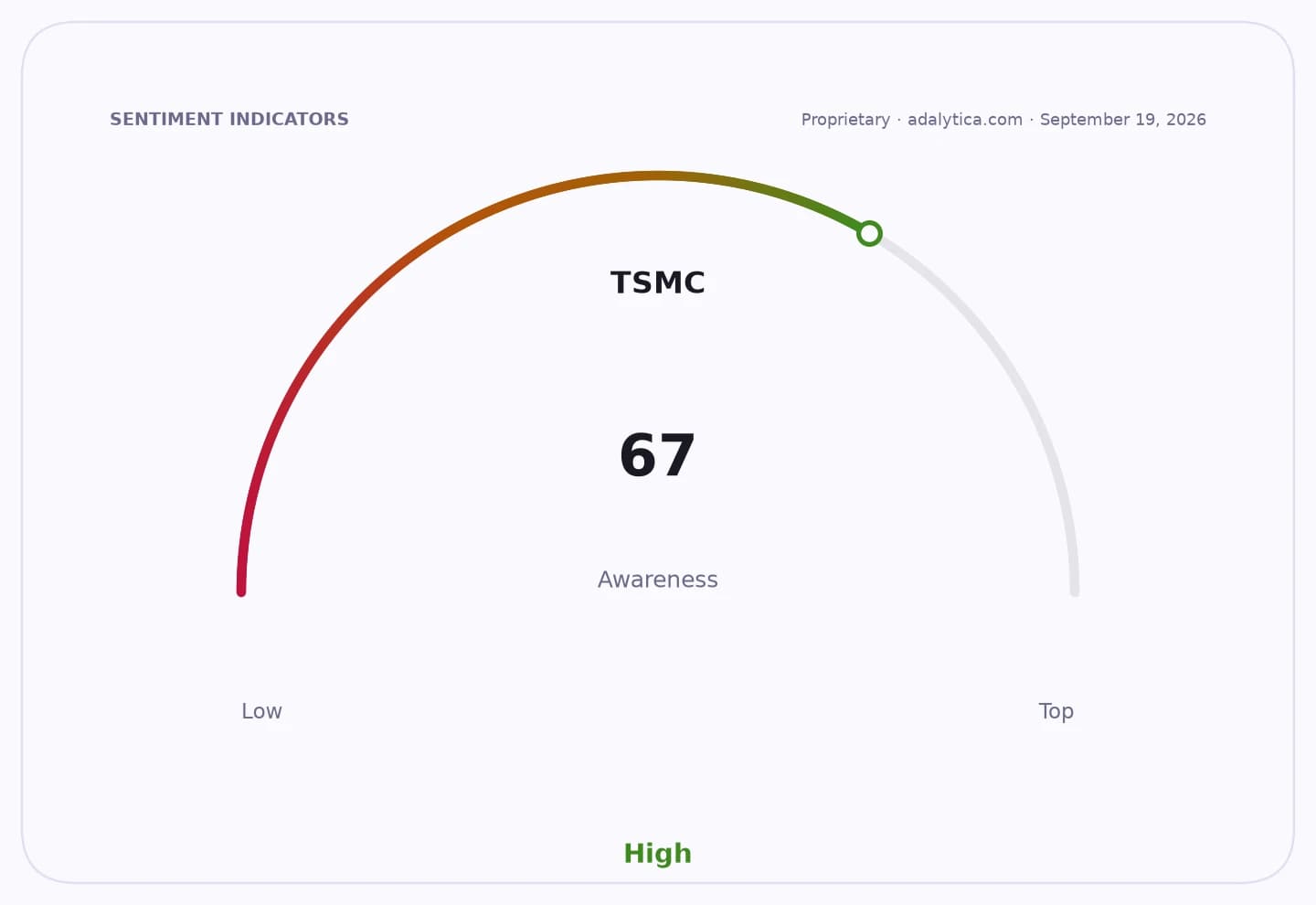
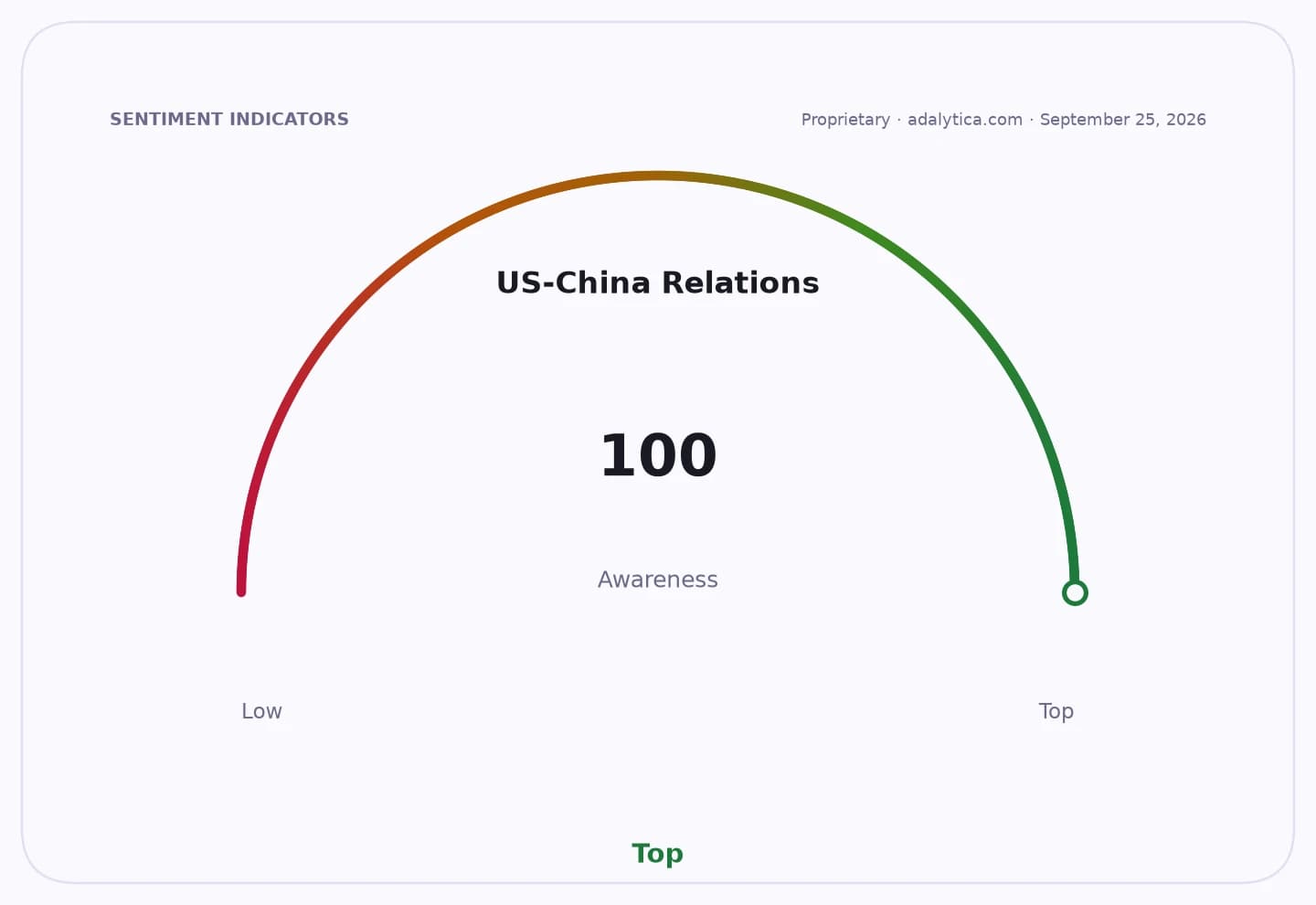
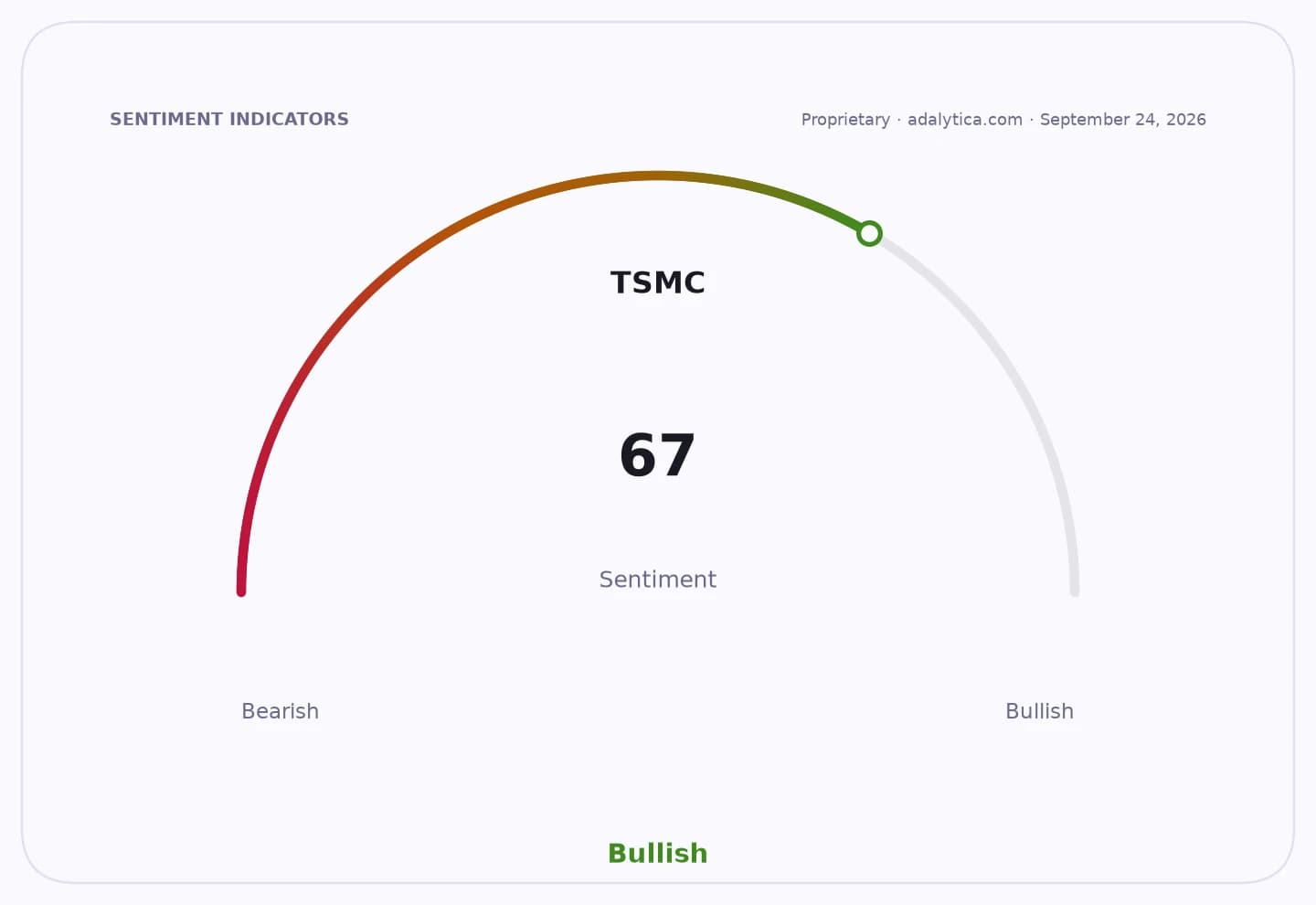
Sentiment IndicatorsⓘProprietary · adalytica.com · September 24, 2026
This is a snapshot — live sentiment, awareness and momentum for 130+ markets update continuously in the dashboard.Open AlphaPulse
The Kaohsiung site is being built around TSMC’s needs, with the chipmaker set to occupy two buildings that will house a technology validation lab and a training center. The park will span about 88.7 hectares, with 53.6 hectares designated for industrial use, and the first facilities are expected to begin operating in the fourth quarter of 2029. That timeline underlines how deeply this is a multiyear capital and industrial policy story, not a quick headline catalyst.
Economically, the project strengthens Taiwan’s bid to hold onto the highest-value parts of global semiconductor manufacturing. Advanced packaging is increasingly where performance gains are created for AI accelerators, and Taiwan is trying to make sure the engineers, suppliers and equipment makers are all clustered nearby. That should shorten development cycles, speed up mass production, and make it harder for rivals to dislodge the island’s lead.
President Lai Ching-te framed the park as part of a broader effort to build a more complete semiconductor ecosystem in southern Taiwan, alongside TSMC’s nearby Nanzih Technology Industrial Park. That matters because the real moat in semiconductors is no longer just fabs. It is the surrounding network of materials, testing, equipment and skilled labor that makes the whole system hard to replicate.
There is also a geopolitical edge here. Taiwan’s semiconductor dominance remains a strategic asset, especially as the U.S. and China compete for control of advanced AI infrastructure. Every new layer of capability the island adds, from packaging to validation to training, reinforces its central role in the global AI supply chain.
The stock market context is constructive as well. TSMC shares have been trading well above their 50-day and 200-day moving averages, and the price action suggests investors continue to treat the company as a core AI infrastructure holding rather than a cyclical chip name. That fits the broader thesis: if AI demand keeps climbing, the winners are not just the chip designers, but the manufacturing chokepoints that make those chips usable.
Of course, the payoff will not arrive overnight. The park is years from opening, and any large-scale industrial project carries execution and power-supply risks. But for long-term investors, the message is clear: Taiwan is not standing still, and TSMC is still building the kind of ecosystem that can compound for years.
For investors trying to own the AI boom rather than chase it, that makes TSMC worth keeping on the watchlist, and for patient portfolios, holding through the noise still looks like the smarter move.
| Entity | Gains | Losses |
|---|---|---|
| TSMC | ▲stronger ecosystem | ▼higher capital demands |
| Taiwan | ▲semiconductor depth | ▼concentration risk |
| Nvidia, AMD, Broadcom | ▲faster packaging support | ▼supply bottlenecks eased |
| Rival chip hubs | ▲less advantage | ▼Taiwan keeps the edge |