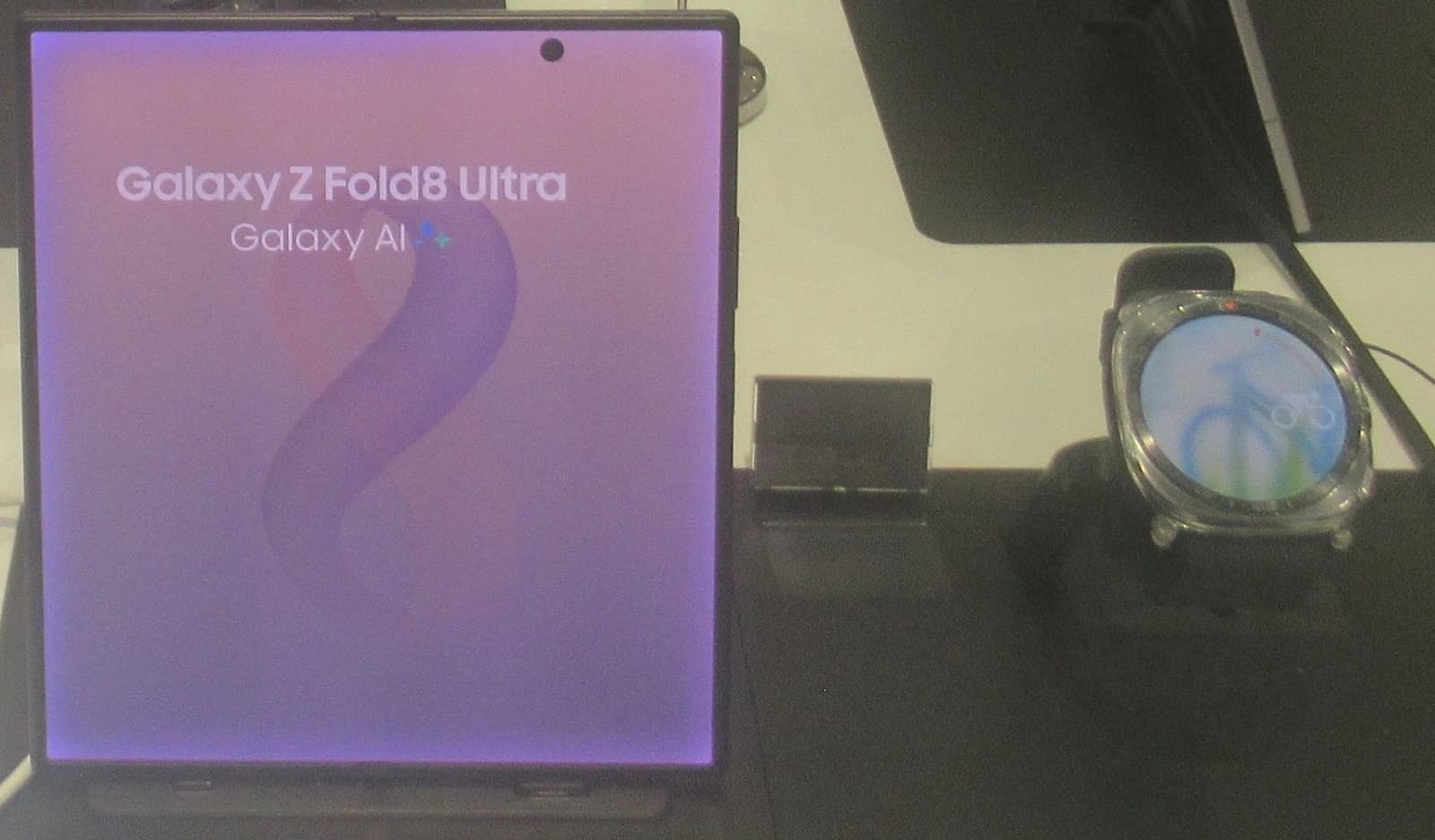
Apple’s iPhone Duo pre-orders are now live, and AT&T and T-Mobile are using the launch to pull customers deeper into long-term service plans with discounts of up to $1,200 and $1,000, respectively.
Apple iPhone Duo pre-orders lift AT&T, T-Mobile offers
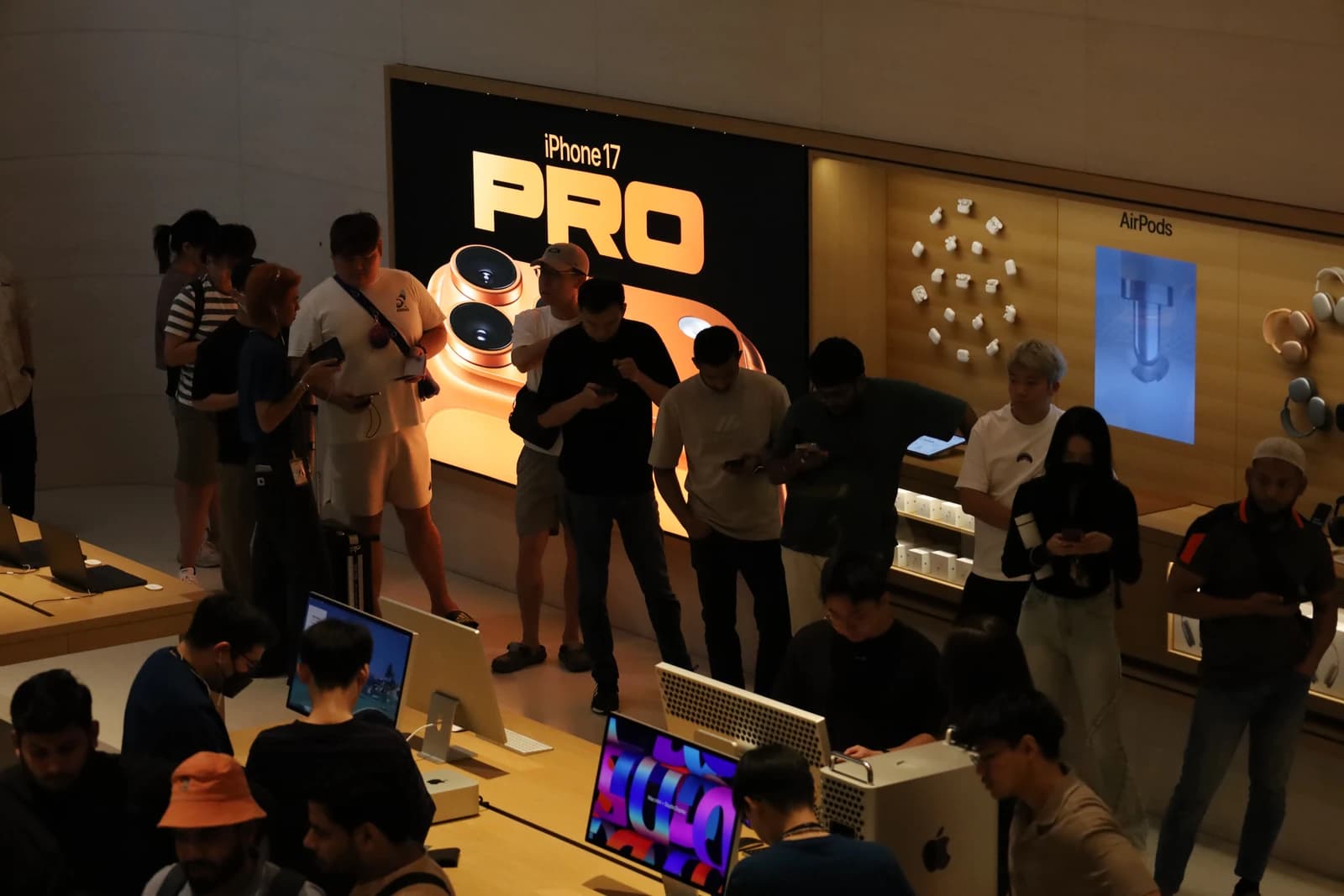
The promotions matter because they show how U.S. carriers still rely on premium-device subsidies and bill credits to defend subscriber growth, even as smartphone demand stays strong and Apple’s newest models remain in heavy pre-order demand. For investors, the offers are less about handset economics than the customer lock-in they create: carriers are trading upfront incentives for 36 months of recurring revenue.
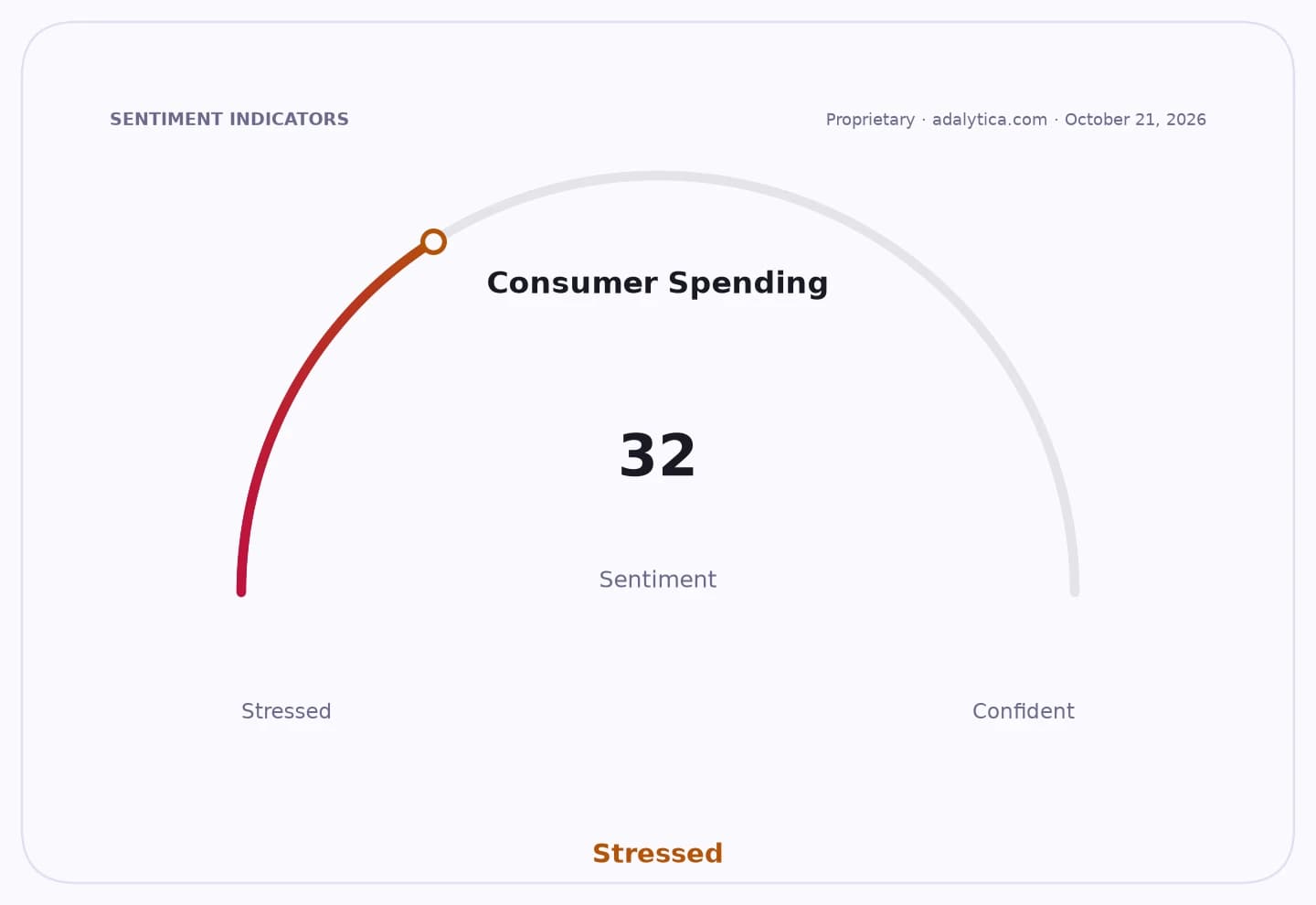
Sentiment IndicatorsⓘProprietary · adalytica.com · October 19, 2026
This is a snapshot — live sentiment, awareness and momentum for 130+ markets update continuously in the dashboard.Open AlphaPulse
AT&T is offering up to $1,200 off the iPhone Duo with an eligible trade-in, but the top discount requires a trade-in worth at least $230 and activation or upgrade on a qualifying unlimited plan. New switchers can also get up to $800 to cover a current device balance, plus $200 per line for online orders.
T-Mobile is offering up to $1,000 off on its Experience Beyond plan with any-condition trade-in, also paid out as bill credits over 36 months. Customers on Experience More or Experience Beyond can get up to $830 off with a trade-in, while most other plans qualify for up to $730 off with a new line.
The carrier push comes as Apple’s latest iPhone cycle drives intense demand, a setup that typically benefits wireless operators that can convert upgrades into multi-year contracts. It also underscores how carriers are competing not just on monthly service, but on who can absorb the biggest device subsidy without eroding margins too sharply.
AT&T shares have been under pressure recently and trade below both their 50-day and 200-day moving averages, while T-Mobile’s stock has also weakened from earlier highs. Apple, by contrast, has held near record territory, with the iPhone launch cycle still serving as a key revenue driver.
The next catalyst is whether the promotion blitz translates into stronger upgrade volumes and net additions through the holiday quarter, or simply forces carriers to spend more to protect their subscriber base.
| Entity | Gains | Losses |
|---|---|---|
| Apple | ▲Higher iPhone Duo demand | ▼None in the short term |
| AT&T | ▲New lines, lock-in revenue | ▼Upfront subsidy costs |
| T-Mobile | ▲Upgrade volume, customer retention | ▼Margin pressure from discounts |
| Consumers | ▲Lower effective iPhone price | ▼Long contract commitments |