Apple’s shares may have slipped, but JPMorgan’s move to upgrade the stock to Overweight suggests investors are being asked to look past near-term cost pressure and focus on Apple’s ability to defend earnings through pricing power, supply-chain management and a still-dominant installed base.
Apple upgraded by JPMorgan on margin resilience
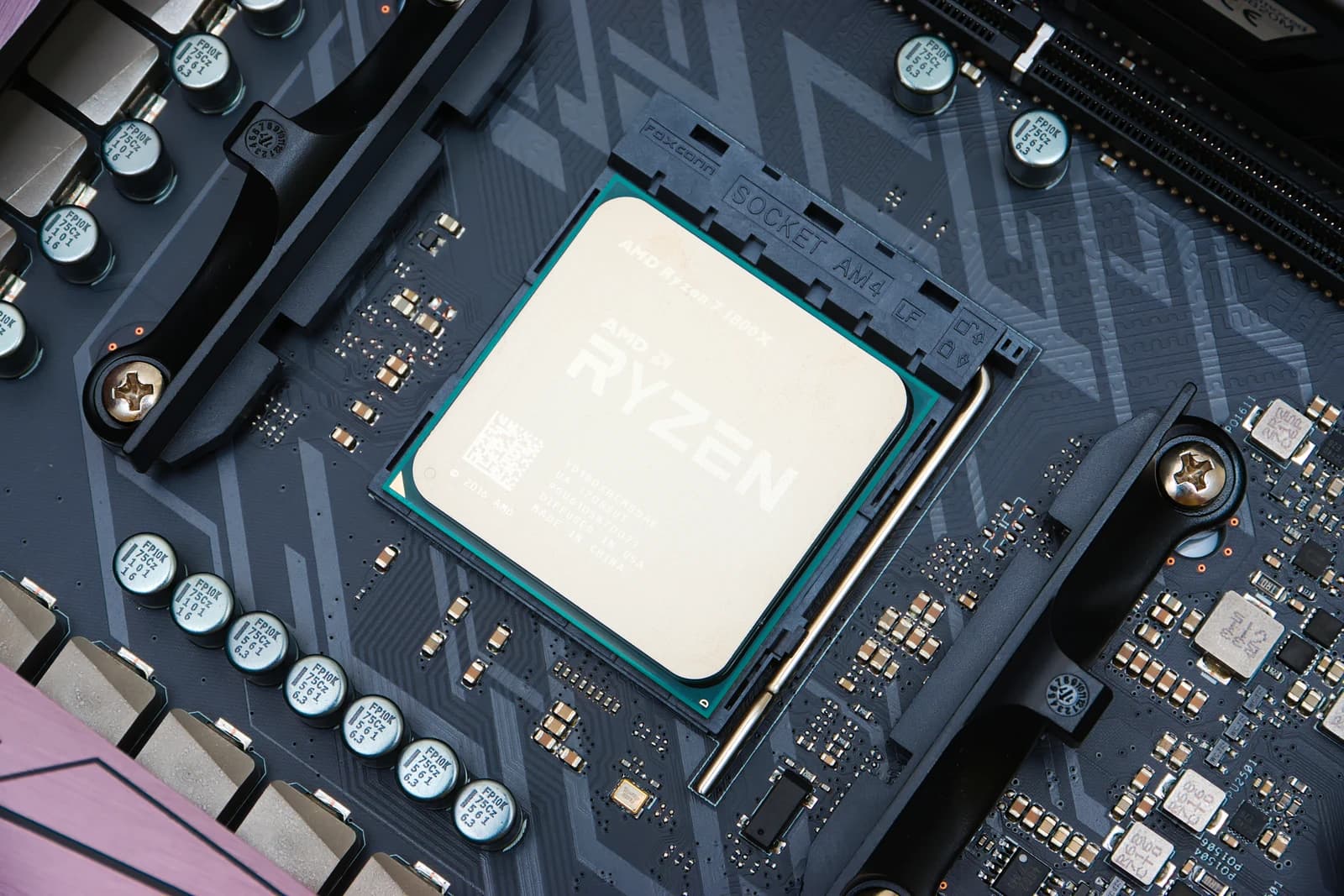
The call matters because Apple is facing a less forgiving input-cost backdrop just as its scale and valuation leave less room for disappointment. Industry warnings about a tightening memory-chip market point to higher component costs over the next several quarters, a problem that can crimp gross margin even when unit demand remains healthy. For a company that has relied on premium pricing and disciplined inventory management to support profitability, memory inflation is a direct test of how much of that burden can be passed on to consumers.
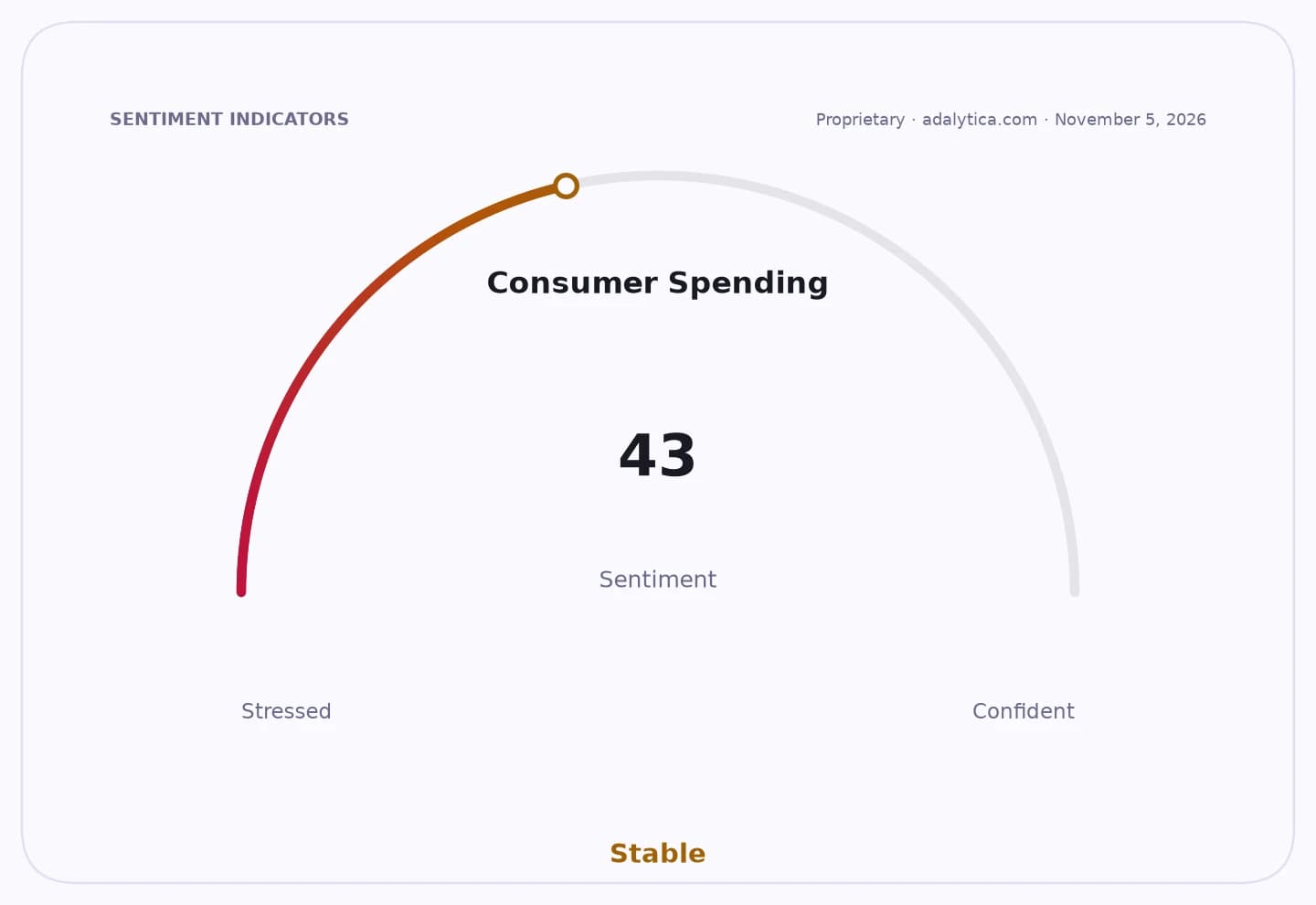
Sentiment Indicators
That tension helps explain why the stock has been volatile despite strong operating performance. Apple closed at 348.51, down 2.06% in the latest session, after trading as high as 353.87, while remaining above both its 50-day moving average of 337.27 and its 200-day average of 299.52. The price action suggests a market that is still constructive on the long-term trend but wary of margin erosion and the risk that earnings revisions lag rising component costs.
JPMorgan’s upgrade also lands at a time when Apple’s fundamentals remain strong enough to support optimism. The stock’s RSI at 53.1 points to a neutral momentum reading rather than an overextended one, while the MACD has flattened, indicating the recent surge has paused rather than reversed. That leaves room for fresh institutional buying if investors conclude that the memory squeeze is manageable and that Apple can absorb at least part of the shock through mix, pricing and scale.
The bull case is straightforward: Apple’s ecosystem remains one of the most durable in global consumer technology, and premium demand has historically given the company unusual control over margins and cash flow. The bear case is that supply-chain costs are becoming more structural, not temporary, and that a sustained memory shortage could compress profitability just as consumers grow more selective and replacement cycles lengthen.
For investors, the key question is less whether Apple can keep selling devices than how much of each sale it keeps. If memory pricing stays elevated into 2027 as suppliers warn, the market may have to reprice Apple not on revenue resilience, but on the durability of its gross margin profile. That is why JPMorgan’s upgrade is meaningful: it argues the franchise is strong enough to withstand the pressure, even as the cost curve turns less favorable.
| Entity | Gains | Losses |
|---|---|---|
| Apple long investors | ▲Upgrade support | ▼Margin squeeze risk |
| Apple | ▲Buy-side confidence | ▼Higher memory costs |
| JPMorgan | ▲Call credibility | ▼If costs outrun pricing |
| Memory suppliers | ▲Stronger pricing | ▼Apple’s margin leverage |