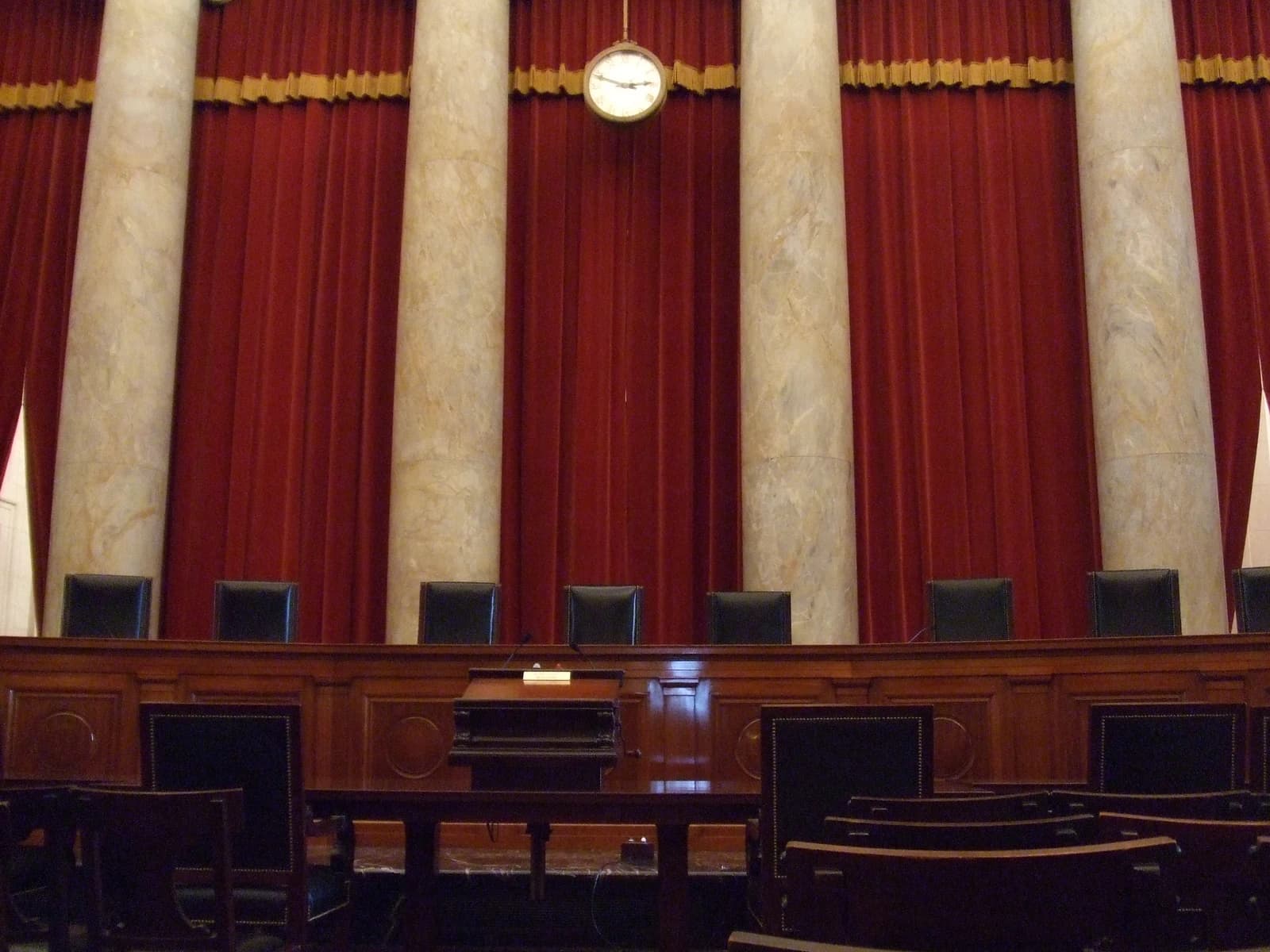
The U.S. Supreme Court has set Jan. 11, 2027, for oral arguments in Apple’s bid to overturn a contempt ruling that could reshape how far judges can go in policing the App Store’s payment rules.
Apple Supreme Court App Store Contempt Case
That makes the case economically important well beyond the legal dispute between Apple and Epic Games. At stake is whether Apple can be held in civil contempt for violating the “spirit” of a prior injunction even when the order did not explicitly ban the conduct in question. A ruling against Apple would strengthen courts’ ability to force structural changes in platform businesses, while a win for Apple would narrow the tools available to regulators and private plaintiffs trying to loosen app-store restrictions.
Sentiment Indicators
The dispute began in 2020, when Epic sued after Apple removed Fortnite following Epic’s attempt to bypass Apple’s in-app payment system. In 2021, U.S. District Judge Yvonne Gonzalez Rogers ruled for Apple on nine of 10 claims, but barred the company from preventing developers from steering users to external payment options. Apple responded by allowing outside links while still imposing commissions of up to 27% and limiting how those links could be displayed.
Epic challenged that implementation, and in April 2025 the same judge said Apple had violated the injunction and held the company in civil contempt. She ordered Apple to remove restrictions on external links and stop charging commissions on purchases completed outside the App Store, finding the company had not just complied poorly but had effectively preserved its old economics under a different label.
Apple’s appeal now focuses on a narrower but highly consequential question: whether contempt requires an order that expressly prohibits the specific conduct at issue. Apple argues it cannot be punished for violating an injunction that never directly banned commissions on off-app purchases. The Justice Department and other groups have backed parts of that argument, even while saying lower courts were right to flag some of Apple’s restrictions on external links.
The timing matters for investors because the hearing pushes final resolution further into 2027, prolonging uncertainty over one of Apple’s most sensitive revenue streams and over the broader economics of digital distribution. The company is not currently fighting the separate issue of what commission it may charge on outside transactions; that remains before the lower courts after the Ninth Circuit last year lifted a blanket ban on fees. Still, the Supreme Court case could determine how much leverage Apple retains in future fights over App Store policy and how much room app developers have to route payments around Apple’s system.
The market has already had plenty of time to discount some of the risk, but not all of it. Apple shares closed at $344.17 on Thursday, above both the 50-day moving average and the 200-day moving average, with the stock trading near the upper end of its recent range. That suggests investors are not pricing in an immediate regulatory shock. But with the case heading to the Supreme Court and additional briefs due through mid-December, the legal overhang remains live for a company whose services margin has long benefited from App Store take rates.
For Epic and developers, the potential upside is clearer: a stronger ruling could further weaken Apple’s control over in-app commerce and improve the economics of alternative payment systems. For Apple, the bear case is that a loss would invite broader challenges to the company’s platform governance, not only in the U.S. but as a reference point for antitrust regulators elsewhere. The bull case is that the Supreme Court may limit contempt findings to explicit court orders, preserving Apple’s ability to defend its business model through careful compliance and new fee structures.
Either way, the hearing date marks another step toward a ruling that could reverberate across the App Store economy, where the core issue is no longer just how much Apple can charge, but how much control a platform can keep once a court tells it to open up.
| Entity | Gains | Losses |
|---|---|---|
| Apple | ▲Legal certainty if order is narrowed | ▼Pricing flexibility and control |
| Epic Games | ▲Stronger leverage against Apple fees | ▼If Apple’s appeal succeeds |
| App developers | ▲Lower payment barriers | ▼Continued platform dependence |
| Supreme Court / lower courts | ▲Clearer contempt standard | ▼More litigation pressure |