Block’s decision to reserve $764 million for a Justice Department case has sharpened a central question in crypto markets: how much trust investors are willing to place in firms that hold their assets. The issue now matters beyond one company, because the prospect of settlements, controls failures and even hacks is reinforcing demand for products built to keep users in charge of their own coins.
Block reserves $764 million for DOJ case
The filing, disclosed Nov. 3, is material not just because of the size of the reserve, but because it exceeds Block’s $566 million third-quarter profit. It turns a compliance issue into a balance-sheet event and underscores the operational and legal risk attached to custodial crypto businesses. For investors, that risk is no longer abstract. It can directly hit earnings, capital allocation and sentiment across exchange operators, brokerages and payment apps that rely on crypto activity.
Sentiment Indicators
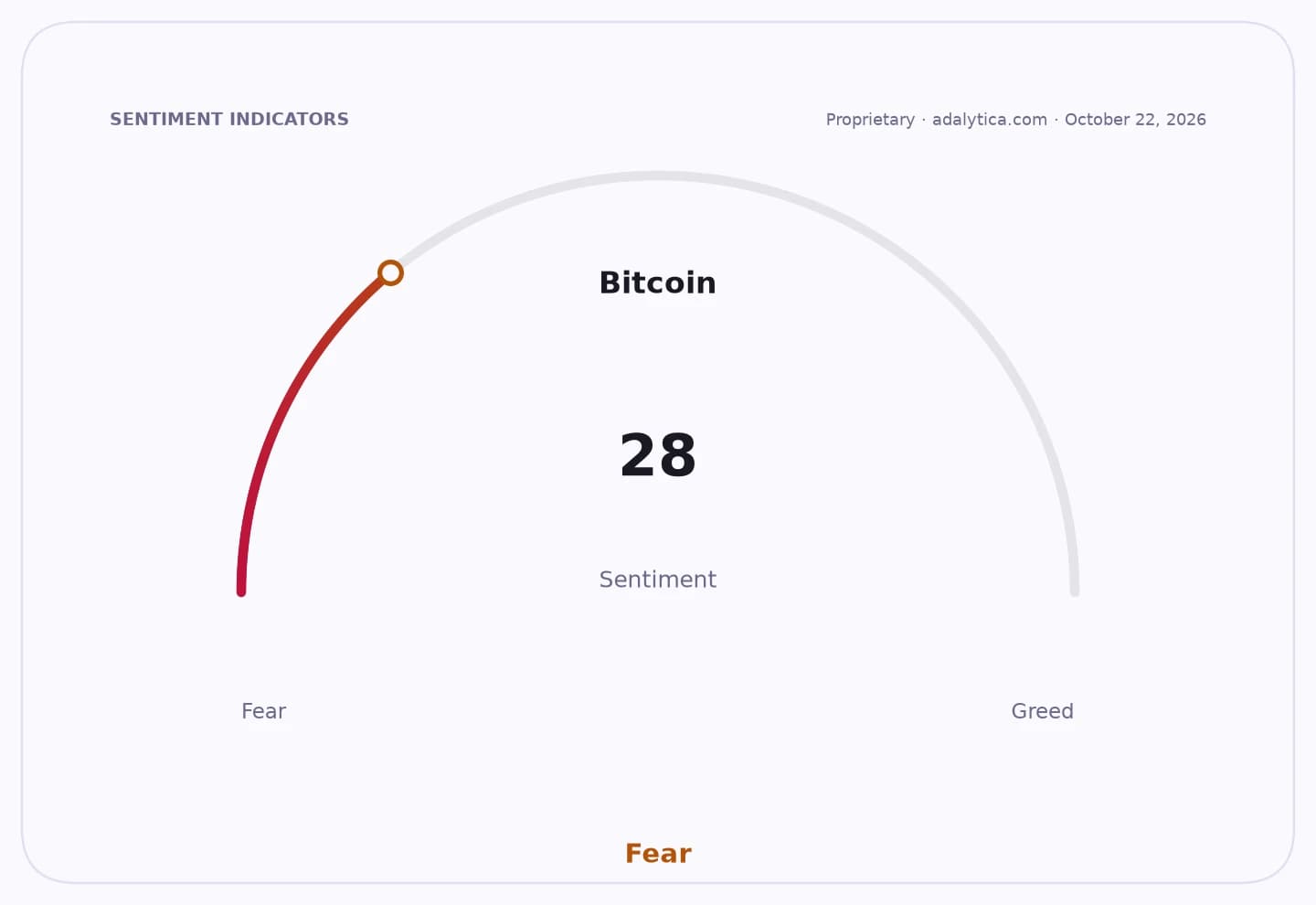
The market backdrop remains fragile. Bitcoin has slipped to about $75,953, well below its 50-day moving average of $81,766 and with RSI readings in the high 30s, while Adalytica’s Bitcoin Fear & Greed Index shows sentiment in “Fear” territory at 17. That weakness leaves little room for regulatory or custody headlines to be absorbed casually. In a market where liquidity is thinner and conviction is low, any blow to trust in centralized platforms can weigh on trading volumes and reduce risk appetite across the sector.
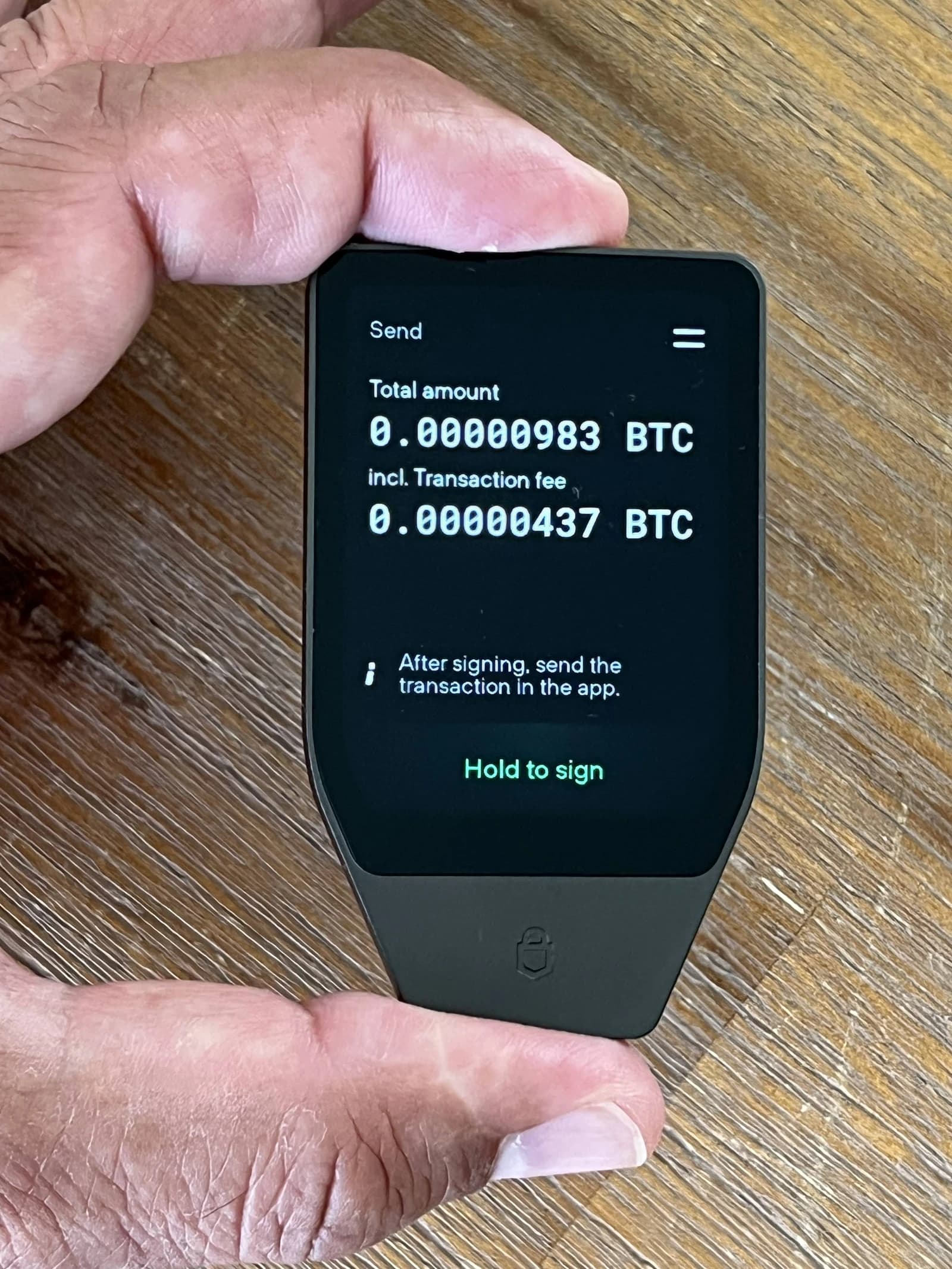
The Block filing also lands as the industry is still digesting security and custody failures elsewhere, including the huge Binance hack that highlighted the scale of losses a major platform can suffer. Together, those events strengthen the case for self-custody and automated, non-custodial infrastructure. That is the pitch behind Pepeto, which says its bridge and exchange are designed so no operator ever holds user funds.
Pepeto has already raised more than $11.2 million, a sizeable sum for a presale token still in development. Its bridge is marketed as locking tokens in an audited contract and minting them only after proof is verified on chain, while PepetoSwap and an AI contract scanner are intended to avoid the custody model that is now under pressure. The appeal is straightforward: if users are increasingly wary of platforms holding assets, they may favor tools that minimize counterparty exposure.
That does not make the project a safe haven. Pepeto is still a speculative meme coin presale, and execution risk remains high. But the broader narrative is clear: regulatory and security shocks are pushing some crypto investors to place a premium on infrastructure that reduces custody risk, even as large-cap coins such as Solana and Hyperliquid require billions of dollars of fresh buying to generate modest percentage gains.
For investors, the key implication is that custody risk is becoming a market variable, not just a legal footnote. Centralized platforms may face more scrutiny, higher compliance costs and potentially slower growth, while self-custody and non-custodial protocols could benefit from a renewed trust premium. The next catalyst will be whether the Block case prompts further legal action, more conservative disclosures from crypto firms and a deeper rotation toward products that keep users’ assets out of corporate hands.
| Entity | Gains | Losses |
|---|---|---|
| Self-custody platforms | ▲Higher trust demand | ▼Less reliance on custodians |
| Block and other custodial firms | ▲— | ▼Legal costs, trust hit |
| Crypto exchanges/brokers | ▲— | ▼Scrutiny and volume risk |
| Pepeto / non-custodial projects | ▲Presale demand | ▼Execution risk remains |