Hackers have stolen about $14.7 billion from cryptocurrency platforms worldwide over the past four years, and the biggest thefts are making one thing clear: the security model behind digital assets is still not robust enough for mass investor confidence.
Crypto thefts raise custody and regulation pressure

That matters because crypto has moved far beyond a fringe trade. When losses at exchanges, wallets and DeFi platforms reach this scale, the damage is no longer just to individual holders in Nigeria or elsewhere. It raises the cost of custody, increases regulatory pressure and forces investors to reassess whether the industry’s rapid growth is being matched by the controls needed to protect capital.
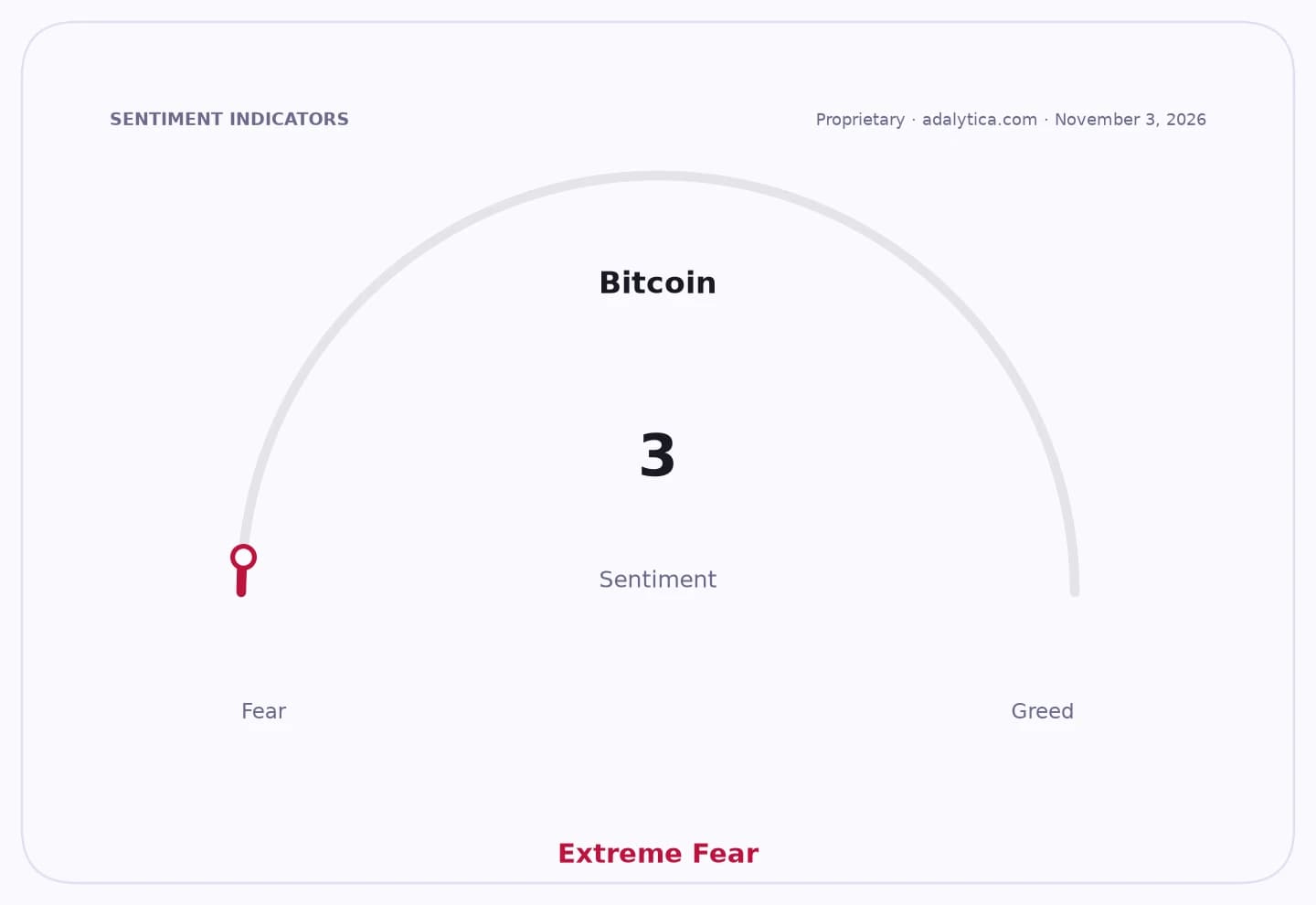
Sentiment Indicators
Bitcoin
Nigeria is part of that broader story. Local platforms such as Patricia and Naira4Dollar have already suffered breaches, underscoring how vulnerable investors can be even before a market matures. The country’s Securities and Exchange Commission has since said digital asset operators must register under the Investments and Securities Act 2025 and maintain stronger safeguards, including multisignature custody arrangements. For investors, that is significant: tighter rules may slow some platforms, but they also separate serious operators from weak ones.
The scale of the global damage is stark. DefiLlama data cited in the report put crypto-related thefts at about $8.7 billion in 2026 alone as of Nov. 1 across 325 incidents, with the Oct. 29 Binance hack accounting for roughly $6.36 billion. The FBI later blamed North Korea’s TraderTraitor group. That breach followed Bybit’s roughly $1.5 billion loss in February 2025, a reminder that even large, sophisticated exchanges remain exposed to operational failures and compromised transaction-signing systems.
For the market, the implication is not simply more headlines about theft. It is a structural shift in where value accrues. The winners are increasingly likely to be custody providers, blockchain security firms, compliance vendors and exchanges that can prove institutional-grade controls. The losers are undercapitalized platforms, self-custody users who underestimate operational risk, and jurisdictions that delay oversight until after money has gone missing.
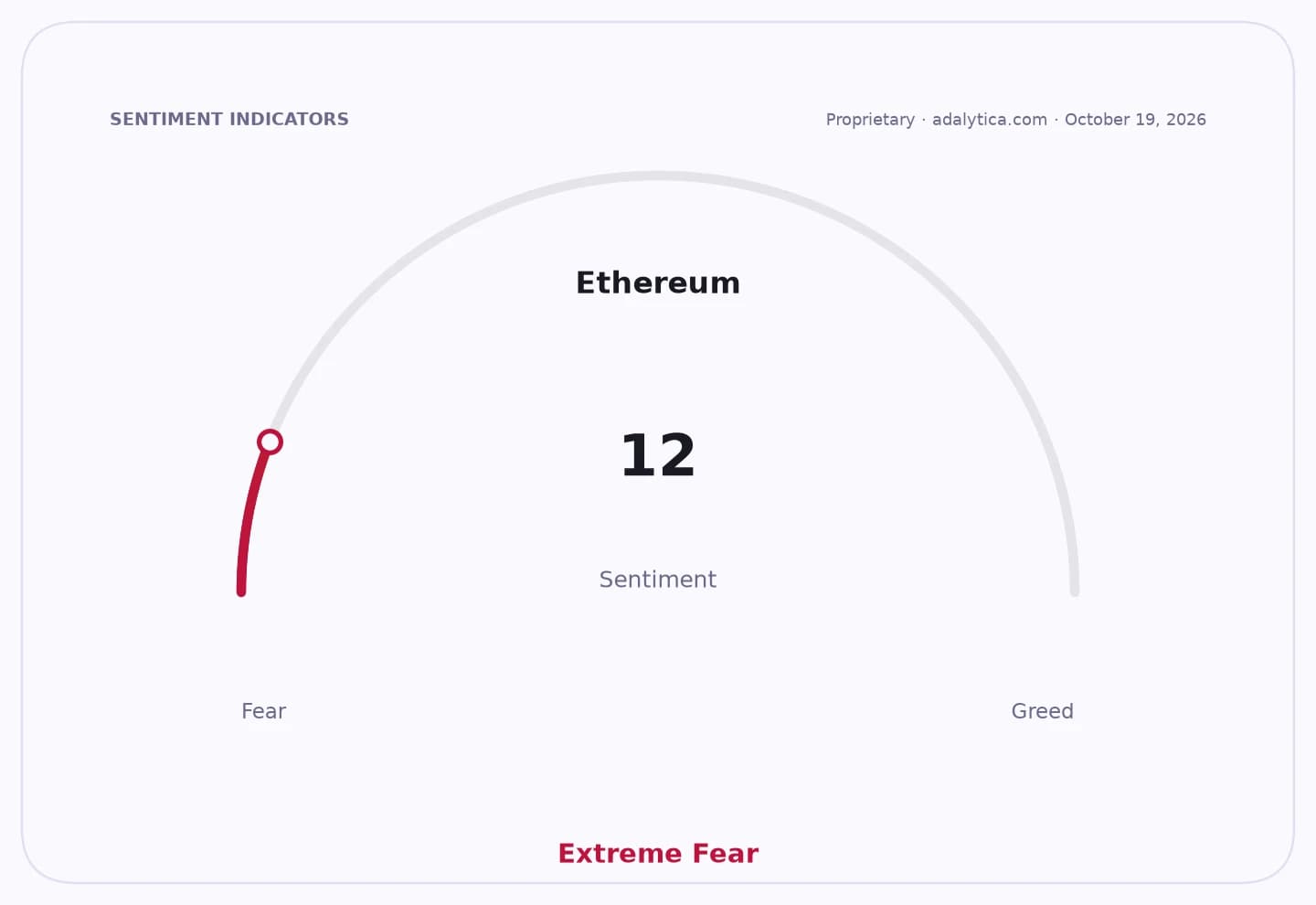
Bitcoin’s own market backdrop shows how fragile sentiment remains when confidence is shaken. The token was trading around $75,700 on Nov. 7, below its 50-day moving average of about $81,871 and in the grip of an RSI reading near 35, a conventional technical signal that reflects weak momentum rather than any proprietary sentiment gauge. Ether was also under pressure, with price near $2,234 and below its 50-day average of about $2,491. Adalytica’s Bitcoin Fear & Greed Index showed extreme fear at 14, even as awareness stayed elevated, a combination that fits a market still digesting risk.
That is why this story matters for investors far beyond Nigeria. Crypto adoption is expanding, but so is the bill for insecurity. The next leg of the industry’s growth will likely reward platforms that can harden custody, prove verification and survive attacks without passing the pain to customers. If you want exposure to digital assets, the better trade may not be the token itself — it may be the infrastructure that makes the ecosystem safer.
| Entity | Gains | Losses |
|---|---|---|
| Security firms | ▲More demand | ▼None |
| Top exchanges with strong controls | ▲Trust and share | ▼N/A |
| Weak crypto platforms | ▲N/A | ▼Users and assets |
| Retail crypto investors | ▲Better oversight long term | ▼Theft risk, losses |